
 |
|
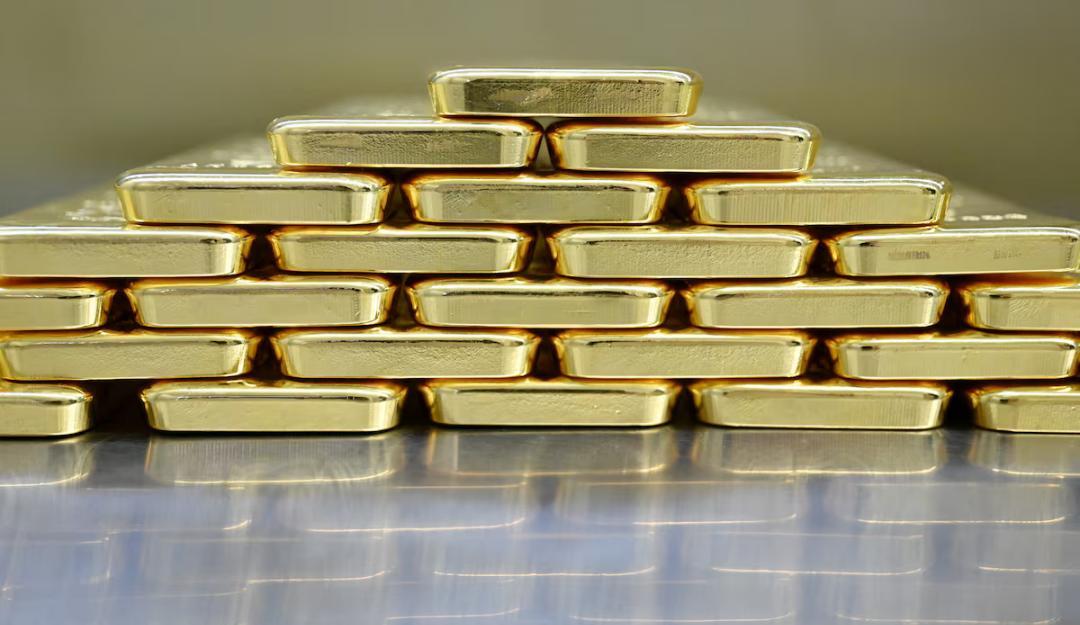
The price of gold experienced a significant surge in Delhi on Wednesday, reaching a new all-time high of ₹89,400 per 10 grams. This represents a remarkable increase of ₹900 compared to the previous day's closing price of ₹88,500. The All India Sarafa Association, a reputable source for precious metal market information, reported this record-breaking price. This latest surge follows a previous rally on February 14th, when gold prices jumped by an even more substantial ₹1,300 to also reach ₹89,400, establishing a previous lifetime high. The volatility in the gold market reflects several interconnected global and domestic factors, demanding a closer examination of the underlying economic forces at play.
Several macroeconomic factors contribute to the recent volatility and record-high prices of gold. Global inflation, driven by factors such as supply chain disruptions, geopolitical instability, and increased energy costs, remains a significant concern. Central banks around the world are grappling with managing inflation, and their monetary policy decisions directly impact the value of various assets, including gold. Higher inflation often leads to increased demand for gold as a safe haven asset, as investors seek to protect their purchasing power against the eroding effects of inflation. This increased demand, coupled with potential supply constraints, fuels price appreciation. Geopolitical tensions, particularly those stemming from the ongoing conflict in Ukraine and other regional disputes, further add to the uncertainty and drive investors towards the perceived safety and stability of gold. The uncertainty in the global financial markets tends to push investors toward more secure assets like gold, escalating its demand and price.
The Indian market specifically exhibits its own set of influencing factors. India is one of the largest consumers of gold globally, with significant cultural and investment-driven demand. Seasonal factors, such as upcoming festivals and wedding seasons, often see increased demand, putting upward pressure on prices. Government policies related to gold imports and taxation also influence market dynamics. Any changes in import duties or taxes can immediately affect the domestic price of gold. Furthermore, the rupee's exchange rate against the US dollar plays a crucial role, as gold is internationally priced in US dollars. A weakening rupee against the dollar makes gold more expensive in India, contributing to price increases. The interplay of these global and domestic factors creates a complex environment where gold prices can experience significant fluctuations. The recent surge to a record high underscores the dynamic nature of the gold market and the many factors that shape its price.
Predicting future gold price movements remains a challenge, given the interplay of diverse and often unpredictable factors. While the recent surge to a record high suggests a strong upward trend, it's crucial to avoid making simplistic predictions. Several economic and geopolitical factors could potentially shift the balance, impacting future price trajectories. A potential easing of global inflation, a resolution of geopolitical tensions, or changes in monetary policies by central banks could all lead to a shift in gold demand and prices. Conversely, sustained high inflation, escalating geopolitical risks, or a further weakening of the Indian rupee could potentially push gold prices even higher. Therefore, a cautious and well-informed approach is necessary when considering investments in gold, considering the volatility inherent in the market. Thorough analysis of macroeconomic indicators, geopolitical events, and market sentiment is vital for navigating this dynamic landscape.
Investors interested in the gold market should carefully assess their risk tolerance and investment goals before making any decisions. Gold, while often viewed as a safe haven asset, is not immune to price fluctuations. Diversification of investment portfolios is essential to mitigate risk. Furthermore, it's crucial to rely on credible sources of market information, such as reputable financial news outlets and industry reports, to stay informed about market trends and potential developments. Ultimately, investing in gold requires a long-term perspective and a thorough understanding of the various factors that influence its price. The recent record high in Delhi serves as a stark reminder of the dynamism and volatility inherent in this important precious metal market.