
 |
|
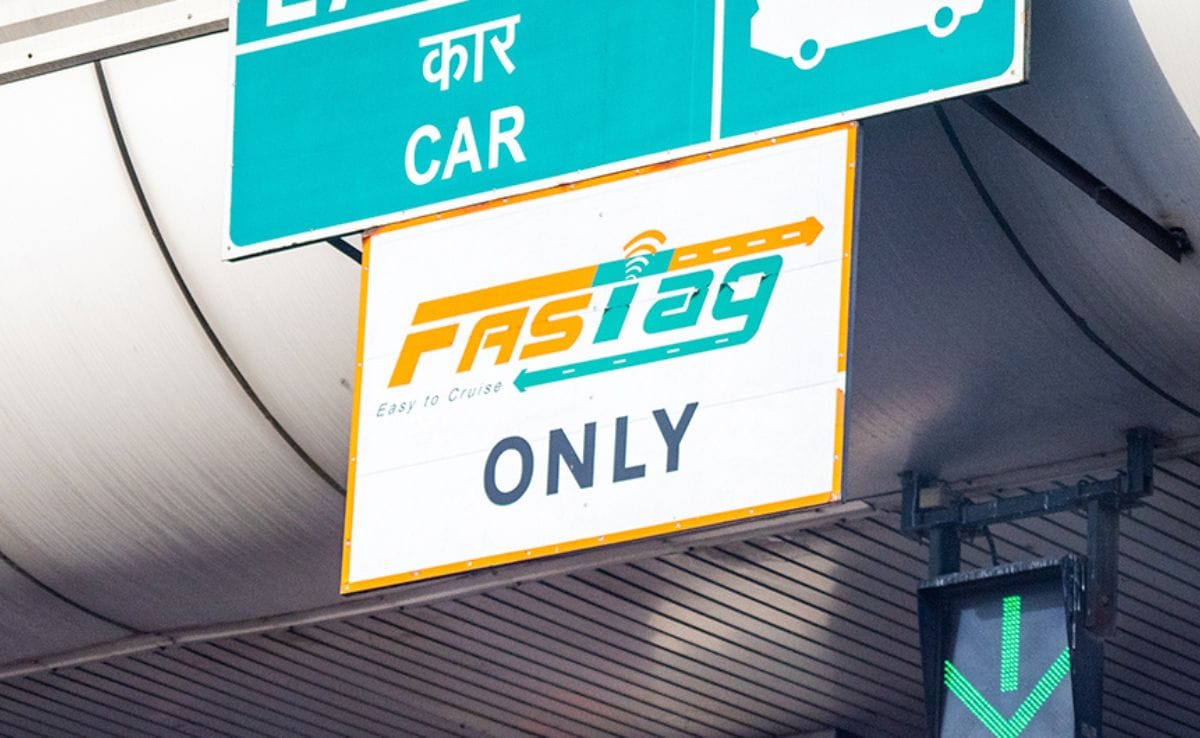
The National Payments Corporation of India (NPCI) has implemented new regulations for FASTag, the electronic toll collection system used across India. These changes, effective immediately, aim to streamline transactions and reduce instances of delayed or failed payments at toll plazas. The core of the new rules centers around stricter timeframes for transaction processing and a more defined penalty system for users who fail to maintain sufficient funds or whose tags are flagged as blacklisted. The introduction of these stricter regulations follows concerns regarding delays, errors, and inconsistencies in FASTag transactions, impacting both toll operators and vehicle owners. These improvements are expected to lead to a smoother, more efficient toll collection process nationwide.
One of the most significant changes pertains to the handling of blacklisted FASTags. Previously, there was some leniency in processing transactions even if a tag was temporarily flagged due to low balance or other technical issues. Now, any FASTag marked as blacklisted, placed on a hotlist, or showing a low balance for more than 60 minutes prior to reaching the toll booth will result in an immediate transaction rejection. Furthermore, if the tag remains blacklisted for 10 minutes after being scanned at the toll plaza, the transaction will again be rejected. In this scenario, the system will generate an error code 176, and the driver will be subject to a penalty of double the standard toll fee. This is a substantial increase in the penalty, aiming to deter negligence in maintaining a functional and adequately funded FASTag.
Recognizing that unforeseen circumstances can lead to temporary low balances, the new rules also introduce a grace period for recharging. Users now have a 70-minute window before reaching a toll booth to rectify issues with their FASTag. This timeframe allows ample opportunity to top up the balance before encountering a toll plaza. Importantly, if a user recharges their FASTag within 10 minutes of an attempted transaction, they may qualify for a full penalty refund and will only be required to pay the standard toll fee. This provision aims to balance the need for efficient toll collection with the understanding that minor technical or logistical issues can affect users. It incentivizes prompt action to address any FASTag issues and offers a chance to mitigate penalties for timely rectifications.
Another significant change addresses delayed transactions. If a toll transaction is processed more than 15 minutes after the vehicle has passed the toll reader, additional charges may be levied. This clause aims to improve the accuracy and efficiency of the system by ensuring transactions are processed swiftly. This time limit addresses scenarios where technical glitches might cause delays in processing, and the additional charges act as a deterrent against systematic delays. The increased penalties aim to encourage timely maintenance of FASTags and quicker resolution of any issues, leading to a smoother flow of traffic at toll plazas.
Finally, the new rules introduce a 15-day cooling-off period for chargeback requests. Previously, banks could immediately process chargeback requests from users claiming incorrect deductions due to blacklisted or low-balance FASTags. This new cooling-off period allows for a more thorough investigation of each case before initiating a chargeback, potentially reducing the number of fraudulent or unwarranted claims. It will also give the banks the opportunity to verify the validity of the user's claim and ensure that the chargeback is justified before processing it. This step is crucial to balance the protection of customer interests with preventing misuse of the chargeback system.
In summary, the new FASTag rules represent a concerted effort to improve the efficiency and reliability of the electronic toll collection system in India. While the penalties for non-compliance are more stringent, the introduction of a grace period and the cooling-off period for chargebacks suggests a balanced approach, aiming to both discourage negligence and provide a fair mechanism for resolving genuine issues. Users are advised to maintain sufficient funds in their linked accounts, regularly check their FASTag status, and act promptly to address any identified problems to avoid potential penalties. These changes, while potentially causing short-term adjustments for users, ultimately aim to create a seamless and reliable electronic toll payment system for all.