
 |
|
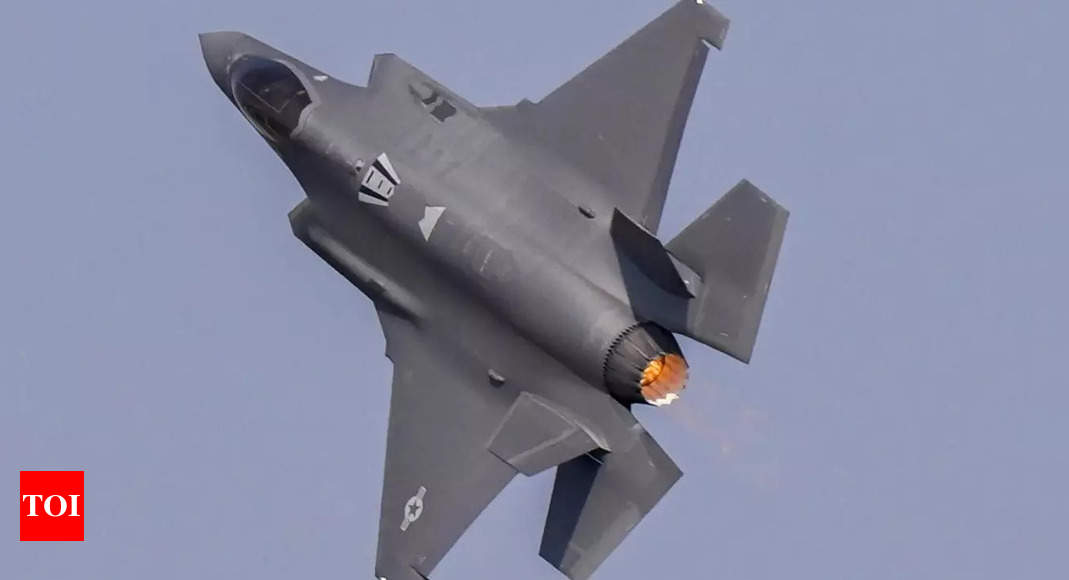
The Indian Air Force's potential acquisition of F-35 fighter jets from the United States is shaping up to be a complex undertaking, potentially mirroring the path taken with the purchase of Rafale jets from France. The article suggests a limited purchase, likely through an inter-governmental agreement, serving as a temporary solution until India's indigenous Advanced Multirole Combat Aircraft (AMCA) program bears fruit. This interim approach echoes the rationale behind the Rafale acquisition, intended to bridge the gap before domestically produced aircraft become available. The projected timeline for the AMCA's operational readiness is 2036 or later, highlighting the pressing need for a short-term solution to bolster India's air power capabilities.
The negotiations for F-35 procurement are expected to be challenging. A major hurdle stems from the sophisticated technology embedded within the F-35, necessitating stringent protective measures by the US. This concern about technology transfer is a key element that will shape the discussions and potentially impact the final number of jets purchased. The article hints at a possible quantity similar to the current Rafale deployment – two squadrons, or 36 aircraft. This limited number could reflect a balance between fulfilling immediate needs and managing the substantial costs associated with acquiring and maintaining such advanced fighter jets.
The presence of Russia's S-400 air defense systems in India's arsenal adds another layer of complexity. The F-35 is designed to evade advanced Russian defenses, and the simultaneous operation of both systems poses concerns about potential tracking and data compromise. The article underscores the uncertainty surrounding the mechanisms that will be implemented to ensure separation and prevent compromising US technology. This issue likely played a significant role in the Pentagon's initial hesitation to sell fifth-generation aircraft to India. The Indian Navy's planned acquisition of French Rafale Marine jets, intended as an interim solution until indigenous carrier-based fighters are developed, presents a potential model for addressing the operational challenges related to the F-35 and the S-400.
The strategic implications of this potential F-35 acquisition are far-reaching. For India, it represents a crucial step in modernizing its air force and enhancing its regional defense capabilities. However, the limitations imposed by the technological complexities and the need for interim solutions highlight the challenges of balancing immediate needs with long-term strategic objectives. The eventual success of the negotiations will depend not only on the price and delivery terms but also on the resolution of critical concerns surrounding technology protection and the co-existence of the F-35 and S-400 systems. Furthermore, this potential deal carries significant geopolitical weight, potentially influencing India's relationship with both the US and Russia.
The article's comparison of the potential F-35 deal with the Rafale purchase provides valuable context. The Rafale acquisition, handled through government-to-government channels, ensured price parity and streamlined delivery. This precedence suggests a similar approach might be adopted for the F-35 procurement. However, the article cautions against a straightforward comparison, given the higher technological complexity of the F-35 and the added challenge of managing the interaction with existing Russian systems. This highlights the intricate nature of international arms deals and the careful balancing act involved in managing strategic partnerships while safeguarding national security interests. The outcome of these negotiations will have significant consequences for the Indian Air Force's capabilities and India's geopolitical standing.
Source: F-35 fighter: Why India may take the Rafale route to purchase US fifth-generation fighter jets