
 |
|
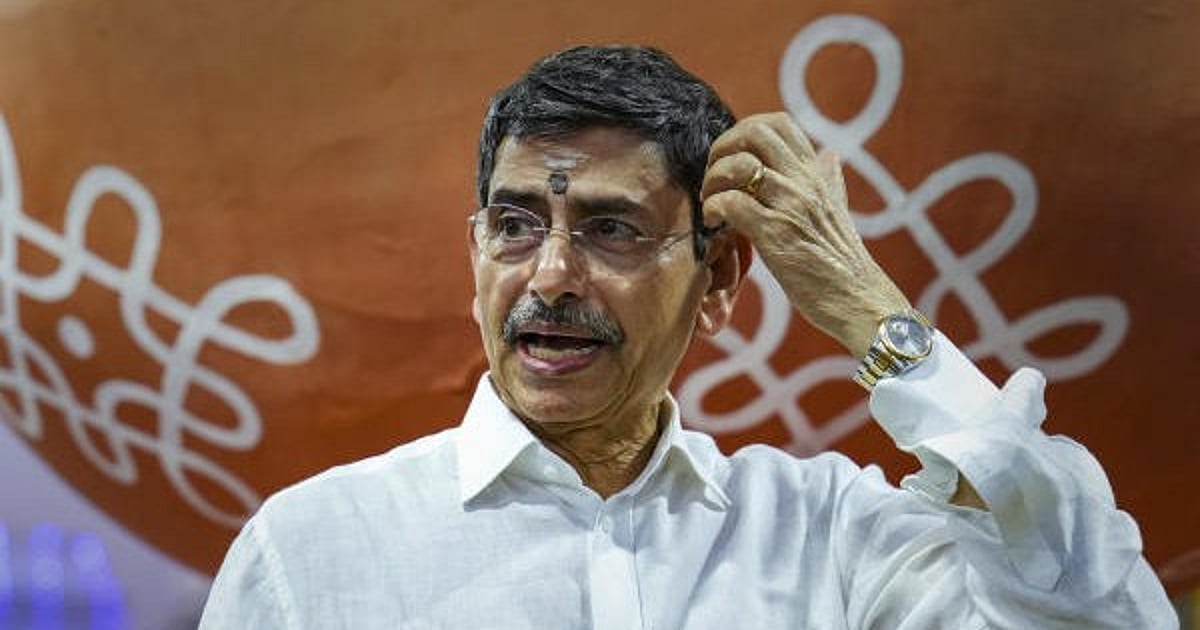
The Supreme Court of India (SC) has raised serious questions regarding the conduct of Governor R N Ravi in the state of Tamil Nadu. The core issue revolves around the Governor's perceived failure to promptly inform the Tamil Nadu government about his concerns regarding the ‘repugnancy’ of certain bills passed by the state legislature. The court’s questioning highlights a fundamental aspect of the relationship between the Governor, a representative of the central government, and the elected state government. The Governor's role is not merely ceremonial; it encompasses significant responsibilities in ensuring that state-level legislation aligns with the Constitution of India. The concept of ‘repugnancy,’ in this context, signifies a perceived conflict between a state law and a federal law or the Constitution itself. The SC's concern underscores the importance of transparent communication and due process in such matters.
The Justices J B Pardiwala and R Mahadevan, who constituted the bench, directly questioned why Governor Ravi did not immediately inform the state government of his reservations. Their statement, “If repugnancy troubled the Governor, he should have immediately brought it to the notice of the government and the government could have reconsidered the bills for further go ahead,” reveals the court's expectation of proactive communication and collaboration between the Governor and the state government. The implication is that the Governor’s silence potentially circumvented a crucial opportunity for the Tamil Nadu government to address any concerns and potentially amend the legislation to resolve any perceived conflict. This raises broader concerns about the potential for unilateral actions by the Governor and the implications for the democratic process at the state level.
The SC's intervention underscores the critical balance between the powers of the Governor and the autonomy of the elected state government. The Governor's authority is derived from the Constitution, and it’s crucial that this power is exercised judiciously and transparently. By questioning the Governor’s lack of communication, the SC is essentially asserting the principle that the Governor’s role is not one of unilateral decision-making but requires engagement and dialogue with the elected government. This case highlights the importance of a robust and transparent process in addressing potential conflicts between state and federal laws. The SC’s intervention sets a significant precedent, emphasizing the need for Governors to engage in open communication with state governments when concerns about legislative repugnancy arise, allowing for a collaborative approach to resolving such issues and upholding the principles of federalism within India’s constitutional framework.
The implications of this case extend beyond the specific situation in Tamil Nadu. It serves as a reminder of the crucial role of communication and collaboration in maintaining the delicate balance of power within India's federal structure. The SC's questioning sets a precedent that could influence how Governors in other states approach similar situations in the future. It emphasizes the responsibility of Governors to act within the constitutional framework, respecting the autonomy of the state governments while also ensuring that state laws are consistent with the federal laws and the Constitution. The court's intervention underscores the importance of upholding transparency and accountability in governance at all levels.
The case highlights the ongoing debate about the role and powers of Governors in India's federal system. While they are appointed by the central government, they are expected to act as neutral arbiters, upholding the Constitution and the interests of the state. This case forces a reconsideration of the balance between these roles and highlights the potential for conflict when such a balance is not effectively maintained. The Supreme Court's judgment will undoubtedly influence future interactions between state governments and Governors, potentially leading to greater transparency and collaboration in resolving disagreements over legislation.
Source: 'Why didn't Governor R N Ravi inform the Tamil Nadu govt if repugnancy troubled him?' asks SC