
 |
|
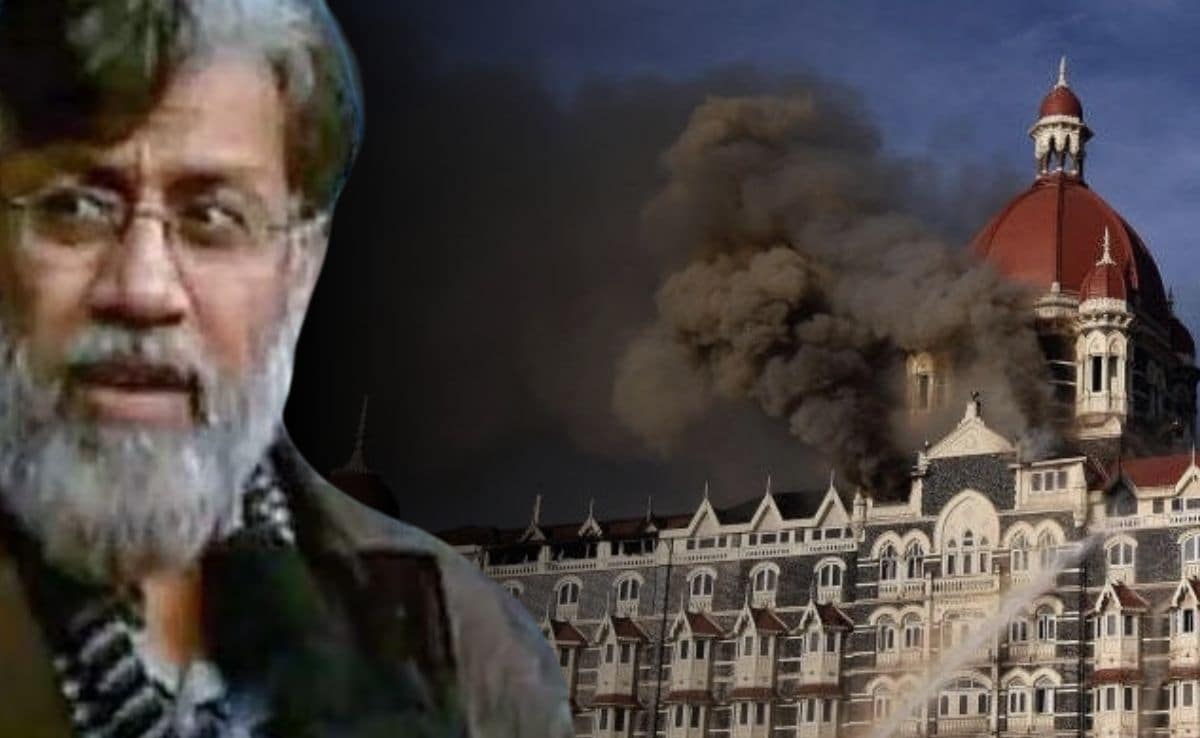
The extradition of Tahawwur Rana, a key figure accused in the devastating 2008 Mumbai terror attacks, has been approved by US President Donald Trump. This decision, announced shortly after a bilateral meeting with Indian Prime Minister Narendra Modi, marks a significant development in a long-standing legal battle. Rana, a Canadian national of Pakistani origin, has been incarcerated in Los Angeles since his initial arrest. India has persistently maintained Rana's role as a mastermind behind the attacks, a claim supported by evidence presented during various legal proceedings. The extradition approval concludes a protracted legal process, including a Supreme Court rejection of Rana’s review petition, signifying a considerable victory for India’s pursuit of justice.
President Trump's announcement was met with gratitude from Prime Minister Modi, who publicly thanked the US President for expediting the extradition process. This underscores the strong bilateral relationship between the US and India on counter-terrorism efforts. The attacks, which resulted in the deaths of over 160 people and widespread devastation, continue to resonate deeply in India. Bringing Rana to face justice in India is viewed as a crucial step toward accountability and closure for the victims and their families. The extradition itself is a testament to the collaborative efforts between US and Indian law enforcement agencies in combating international terrorism.
Tahawwur Rana's alleged involvement in the Mumbai attacks is multifaceted and interwoven with the testimony of David Coleman Headley, another key conspirator. Headley, a Pakistani-American, provided critical evidence during his own interrogation in the US. His testimony detailed his extensive reconnaissance trips to Mumbai in the lead-up to the attacks, facilitated by a five-year visa obtained with Rana's assistance. Headley also exposed Rana's connection to the Lashkar-e-Taiba (LeT), the Pakistan-based terrorist group responsible for carrying out the attacks. Furthermore, Headley's testimony highlighted how he and Rana jointly established an immigration company, allegedly as a front to conceal Headley's activities. This collaborative effort between Headley and Rana underscores the intricate planning and execution of the attacks.
Prior to this extradition approval, Rana faced various legal challenges in the US. While acquitted in 2011 on charges of directly abetting the Mumbai attacks, he was convicted of providing material support to the LeT and involvement in a separate terror plot in Denmark. These convictions, while not directly related to the Mumbai attacks, highlighted the broader scope of Rana's alleged involvement in terrorist activities. The accusations of his links to Pakistan's Inter-Services Intelligence (ISI) further complicate the narrative, suggesting a potential deeper level of conspiracy and international involvement in the planning and execution of the 2008 attacks. Rana's stay at the Taj Mahal Hotel in Mumbai with his wife prior to the attacks, further solidified suspicions of his prior knowledge and potential role in facilitating the attacks.
The extradition of Tahawwur Rana marks a crucial juncture in the ongoing pursuit of justice for the victims of the 2008 Mumbai attacks. His trial in India promises to provide further insight into the intricate network of individuals and organizations involved. The case serves as a reminder of the persistent threat of international terrorism and the importance of international cooperation in combating these threats. While the extradition itself is a significant development, the upcoming trial will be vital in fully understanding the extent of Rana's involvement and bringing to light the full scope of the conspiracy behind the horrific events of November 26, 2008. The proceedings will undoubtedly draw international attention and serve as a critical case study in international counter-terrorism efforts and legal collaboration.
Source: Who Is Tahawwur Rana And His Role In 26/11 Mumbai Terror Attacks