
 |
|
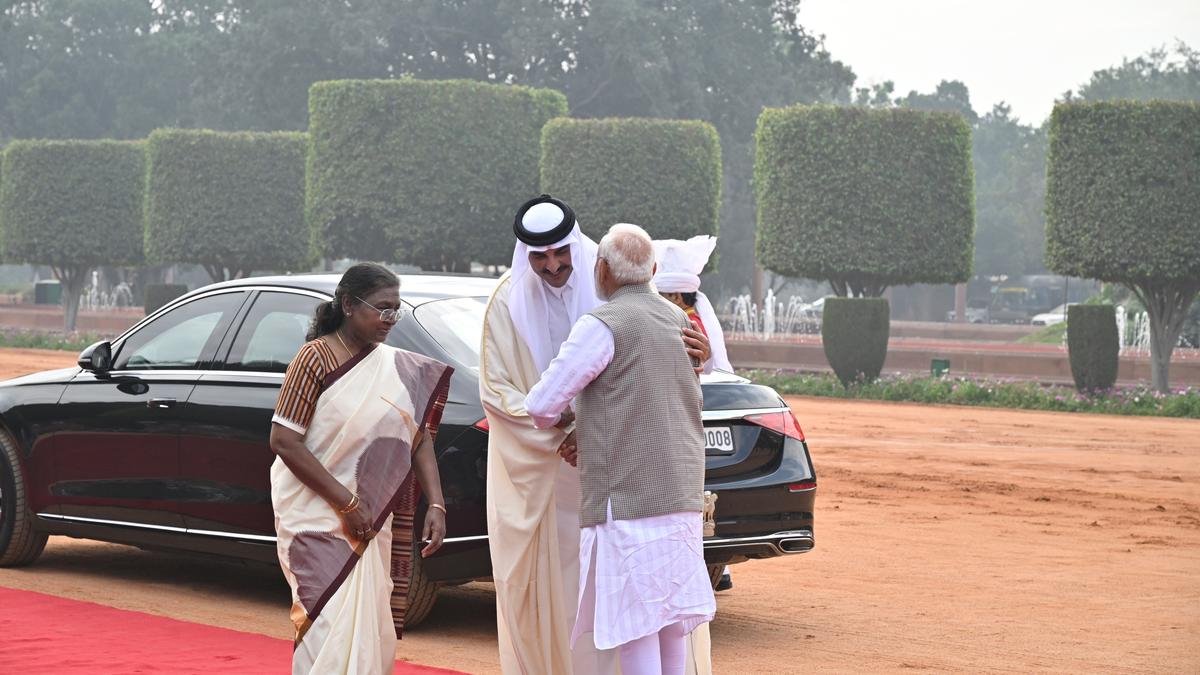
The recent visit of the Qatari Amir to India has highlighted the growing economic relationship between the two nations. While the bilateral trade between India and Qatar has experienced a downturn in 2023-24, falling to $14 billion from $18.77 billion in the previous year, both countries are actively seeking ways to strengthen their economic partnerships. This decline, despite Qatar being India's third-largest trading partner, underscores the need for strategic realignment and diversification of trade beyond energy resources. The emphasis on a new bilateral investment promotion and protection agreement underscores this desire for a more robust and balanced trade relationship.
Qatar's commitment to expediting negotiations for a new investment protection agreement signals a proactive approach to addressing the current trade imbalance and attracting further Indian investment in Qatar. The Qatari Commerce and Industry Minister, Sheikh Faisal bin Thani bin Faisal Al Thani, explicitly stated Qatar's readiness to fast-track these negotiations, reflecting a positive and collaborative spirit. This willingness to streamline the process highlights the importance Qatar places on strengthening its economic ties with India, considering India's significant economic growth and potential for investment.
The comments made by Indian Commerce and Industry Minister Piyush Goyal indicate a shared understanding of the need to diversify trade beyond energy. While acknowledging the current dominance of energy trade, particularly Liquefied Natural Gas (LNG) and LPG, Mr. Goyal stressed the importance of expanding trade into new-age technologies like artificial intelligence, the internet of things, and quantum computing. This emphasis on diversification signifies a strategic shift towards a more technologically advanced and sustainable trade relationship, moving beyond the traditional energy-focused model. The three pillars identified – sustainability, entrepreneurship, and energy – represent a balanced approach to future collaborations.
The signing of two Memoranda of Understanding (MoUs) – one between CII and QBA, and another between Invest Qatar and Invest India – further solidifies this commitment to enhanced collaboration. These agreements provide a framework for increased business interaction and investment opportunities. The expansion of the Qatar National Bank into India's Gift City in Gujarat also demonstrates the practical steps being taken to strengthen economic integration. This expansion reflects a concrete example of investment flows between the two countries, indicative of a burgeoning economic relationship.
The discussions surrounding a potential free trade agreement between India and Qatar, and more broadly with the Gulf Cooperation Council (GCC), reveal a broader strategic context. While India already has a free trade agreement with the UAE and is in advanced stages of negotiating one with Oman, the possibility of a similar agreement with Qatar, or even a wider GCC agreement, would significantly enhance trade flows and economic integration. The Indian government's open stance towards both bilateral and multilateral trade agreements demonstrates a flexible approach to achieving greater economic cooperation.
The ongoing discussions underscore the complexity of achieving a balanced and mutually beneficial trade relationship. Addressing the current trade imbalance heavily favoring Qatar, diversifying trade beyond energy, and fostering greater investment flows in both directions are key priorities. The active involvement of both governments, coupled with the initiatives from the private sector, indicates a strong commitment to achieving sustainable and mutually beneficial economic growth. The success of these efforts will depend on the effective implementation of the agreements reached and the continued commitment to fostering a favorable investment climate in both countries. The long-term implications for both economies are substantial, promising significant economic benefits if the current momentum is sustained.
In conclusion, the visit of the Qatari Amir to India serves as a catalyst for enhanced economic cooperation. While challenges remain, the commitment shown by both governments and the private sector to diversify trade, expedite investment agreements, and explore new avenues of collaboration suggests a positive trajectory for the future of India-Qatar economic relations. The focus on sustainability, entrepreneurship, and technological advancement signifies a long-term vision that extends beyond traditional trade dynamics, promising a more robust and balanced partnership for years to come.