
 |
|
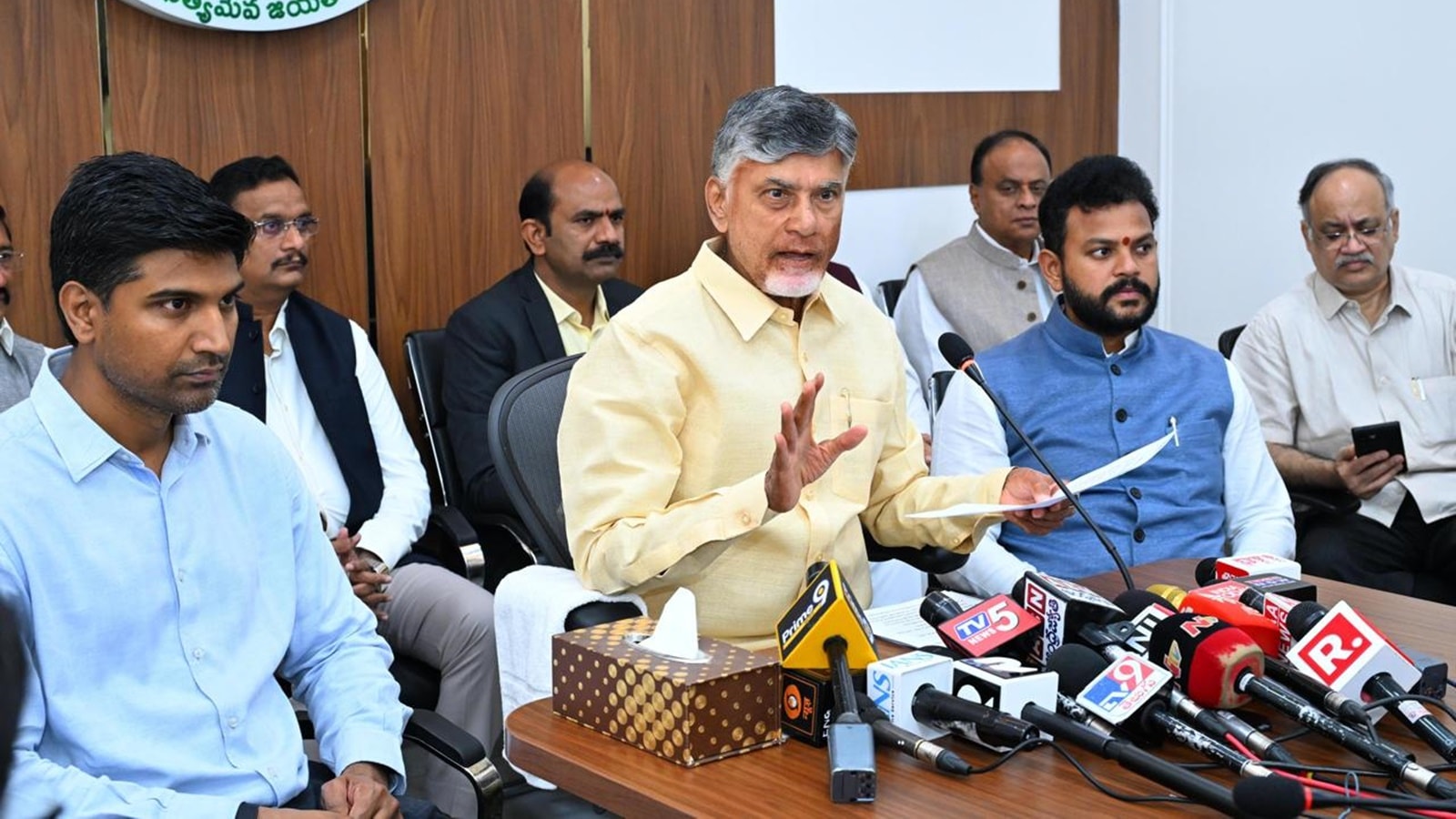
Andhra Pradesh Chief Minister N Chandrababu Naidu's recent press conference in Delhi launched a scathing attack on the Aam Aadmi Party (AAP) government's performance. His critique, aimed at swaying Telugu voters and Delhi residents alike towards the BJP, painted a stark picture of alleged failure across various sectors. Naidu's central argument rested on the claim that AAP's governance model is not only ineffective but detrimental to the nation's progress. He highlighted a perceived lack of wealth creation, contrasting it with what he described as mere dole-outs, posing a fundamental question about the sustainability and efficacy of the AAP's approach to development. The accusation that AAP prioritizes ideology over performance formed a core element of his argument, contrasting what he perceived as the BJP's focus on tangible development outcomes.
The criticism extended to the handling of infrastructure development. Naidu argued that progress has stagnated since the completion of the Delhi Metro, with significant shortcomings in areas such as water supply, healthcare facilities, and overall urban infrastructure. He specifically mentioned the lack of progress on key Central government schemes like AMRUT, Jal Jeevan, and Swachh Bharat, further emphasizing the alleged ineffectiveness of the AAP's governance. The appalling state of the Yamuna River, a persistent issue in Delhi, served as another key point in his argument, underscoring the perceived lack of action by the AAP government in addressing environmental concerns. The escalating pollution levels, according to Naidu, not only threaten the health of Delhi's residents but also contribute to a decline in the city's overall appeal and vibrancy. The exodus of people from Delhi, attributed by Naidu to both environmental and political pollution, further cemented his portrayal of a city in decline under AAP's rule.
A significant portion of Naidu's address centered on allegations of corruption. The liquor scam was cited as a major example of alleged malfeasance, directly contradicting the AAP's self-proclaimed commitment to transparency and accountability. This highlighted a crucial aspect of Naidu's strategy: directly challenging the AAP's core narrative. By highlighting perceived failings in key policy areas and accusations of corruption, Naidu aimed to undermine the AAP's credibility and appeal to voters seeking demonstrable progress and effective governance. His call for a 'double-engine' government, a phrase frequently used by BJP to emphasize the synergies between a BJP-led central government and a state government under their banner, served as a direct appeal for voters to support a unified approach to development under BJP's leadership.
The broader context of Naidu's intervention is the upcoming Delhi elections, where the BJP is seeking to gain ground against the incumbent AAP. His appearance and his critique are part of a broader political strategy to attract support among various communities in the capital. Naidu’s emphasis on development and his contrasting portrayal of the BJP's performance against the AAP's perceived failures were designed to appeal to voters looking for tangible results and a positive vision for the future of Delhi. By directly addressing concerns about infrastructure, pollution, and economic opportunity, Naidu sought to connect with voters on the issues that most directly affect their daily lives, hoping to sway their votes in the upcoming elections. His critique also targeted the perception of AAP's governance as being focused on ideology over practical progress. This is a crucial strategy for the BJP, who seeks to portray itself as a more pragmatic and outcome-oriented alternative.
Ultimately, Naidu's speech serves as a clear articulation of the BJP's campaign strategy in Delhi, emphasizing a contrast between what they see as the BJP's commitment to development and the perceived shortcomings of the AAP government. The forceful nature of his critique, including the strong accusations of governance failures and corruption, underscores the stakes involved in the upcoming election, highlighting the intensity of the political battle for Delhi.