
 |
|
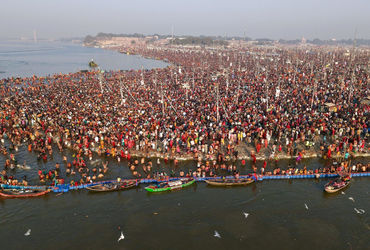
The recent Kumbh Mela, a massive religious gathering on the banks of the Ganga River, has resulted in a significant deterioration of the river's water quality. Studies conducted after the event revealed alarmingly high levels of faecal coliform bacteria in the Ganga's water. This contamination poses a serious threat to public health, highlighting the urgent need for improved sanitation and waste management practices during such large-scale gatherings. The sheer volume of pilgrims attending the Kumbh Mela, coupled with inadequate sanitation infrastructure, overwhelmed the river's natural capacity for self-purification, leading to widespread contamination. This underscores the critical need for proactive planning and effective implementation of environmental protection measures before, during, and after major events of this magnitude.
The presence of high faecal coliform levels indicates the presence of fecal matter in the water, signifying contamination from human and animal waste. This poses a serious health risk, as exposure to such contaminated water can lead to various waterborne diseases, including cholera, typhoid, gastroenteritis, and other infections. These diseases can have severe consequences, especially for vulnerable populations such as children, the elderly, and individuals with weakened immune systems. The implications for public health extend beyond the immediate vicinity of the Kumbh Mela, as the contaminated water can travel downstream, affecting communities and ecosystems far from the event's location. The long-term ecological impacts of this pollution also remain a significant concern.
Addressing the issue of water contamination during the Kumbh Mela requires a multi-pronged approach. Improved sanitation facilities are crucial, ensuring that adequate toilets and waste disposal systems are in place to handle the massive influx of pilgrims. Effective waste management strategies are essential, including the collection, transportation, and proper treatment of sewage and other waste materials. Public awareness campaigns can play a vital role in educating pilgrims about responsible waste disposal and hygiene practices. Furthermore, stricter enforcement of environmental regulations and greater collaboration between government agencies, religious organizations, and local communities are necessary to mitigate the environmental impact of future Kumbh Melas. Technological innovations, such as advanced water treatment systems and real-time water quality monitoring, can also contribute to a more sustainable and environmentally responsible event.
The incident serves as a stark reminder of the challenges involved in balancing religious practices with environmental protection. While the Kumbh Mela holds immense cultural and spiritual significance, its impact on the environment cannot be ignored. Finding a balance requires careful planning, responsible resource management, and a commitment from all stakeholders to prioritize both the spiritual and environmental well-being of the region. Investing in long-term infrastructure improvements and implementing sustainable practices will be crucial in ensuring that future Kumbh Melas do not come at the expense of the Ganga River's health and the health of the communities that depend on it. The scientific data collected from the post-Kumbh Mela water quality assessments should be used to inform future planning and mitigation strategies, ensuring that the event can continue to be celebrated without causing irreparable harm to the environment.
The long-term consequences of the pollution extend beyond immediate health risks. The Ganga River is a vital source of water for millions of people, supporting agriculture, industry, and various ecosystems. Chronic pollution can lead to degradation of water quality, affecting biodiversity and the livelihoods of those dependent on the river. The damage caused by the high faecal coliform levels highlights the need for sustainable water resource management and the implementation of comprehensive strategies to protect the river from future pollution events. This requires a collaborative effort involving various stakeholders, including government agencies, researchers, NGOs, and local communities, to work towards a sustainable future for the Ganga River and its surrounding ecosystems.
Source: Ganga water found to have high faecal coliform levels during Mahakumbh