
 |
|
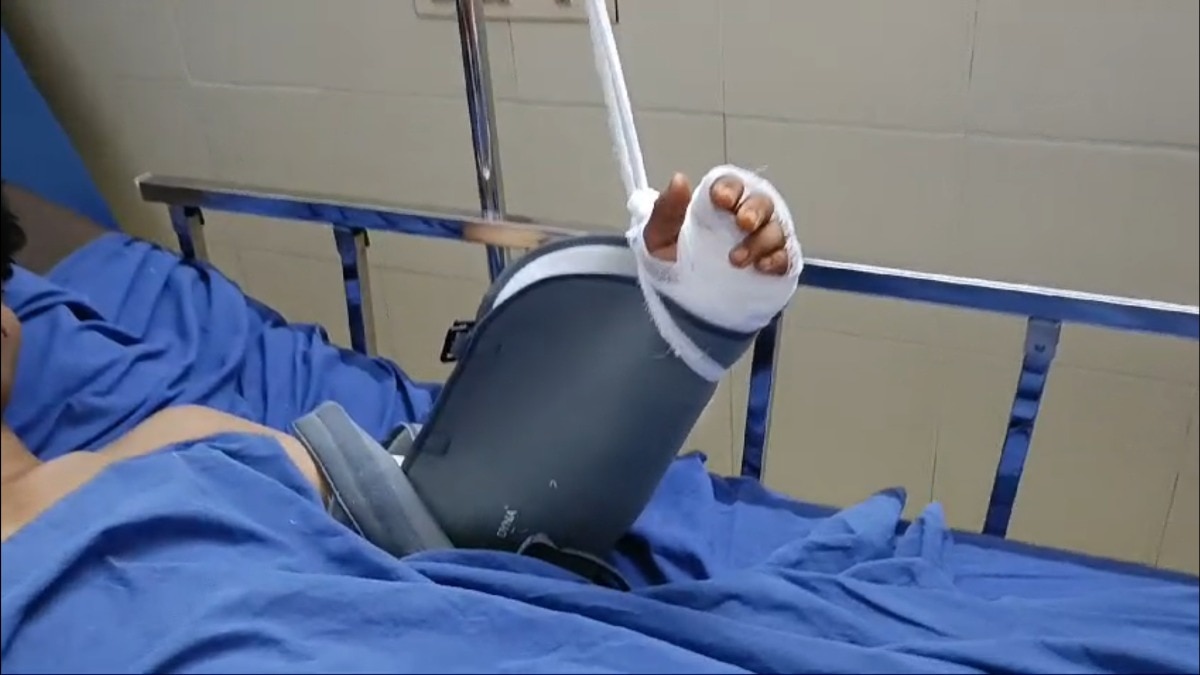
The recent incident of ragging at Kolavallur PR Memorial School in Kannur district, Kerala, highlights the persistent problem of violence and intimidation within educational institutions. Muhammed Nihal, a Plus One student (equivalent to Class 11), suffered a broken arm after being brutally assaulted by five senior students. The assault stemmed from the seniors' claim that Nihal did not show them sufficient respect. This incident underscores the urgent need for stricter anti-ragging measures and a more comprehensive approach to fostering a culture of respect and safety within schools. The callous nature of the attack, where five students ambushed and beat Nihal resulting in a broken arm, points to a systemic issue that goes beyond individual acts of aggression. It highlights the need for schools to actively cultivate a climate where such violence is not tolerated and perpetrators are held accountable.
The incident is particularly alarming given its proximity to another high-profile ragging case involving nursing students in Kottayam. Just two days prior, five third-year nursing students were arrested for the brutal torture of first-year students. The similarities between these two cases – both involving severe physical violence and a clear power imbalance between seniors and juniors – suggests a broader pattern of ragging behavior that demands immediate and decisive action. The fact that the ragging in the Kottayam case allegedly began in November 2024 and continued for months without intervention raises serious questions about the effectiveness of existing anti-ragging mechanisms and the responsibility of educational institutions to protect their students. The emergence of a video depicting the torture further emphasizes the severity and systematic nature of this violence.
The allegations of links between the accused in the Kannur ragging case and the Students Federation of India (SFI), the student wing of the ruling Left party, add another layer of complexity to the situation. This raises concerns about potential political interference in investigations and the potential for impunity for perpetrators of such acts. The political dimension of this case necessitates a thorough and impartial investigation to ensure that no one is shielded from accountability due to political affiliations. The lack of effective preventative measures and the potential influence of political groups contribute to a climate of fear and impunity, making it more challenging to address the root causes of ragging and to create a safe and respectful learning environment for all students. The long-term consequences of ragging extend beyond physical injuries, often leaving lasting psychological trauma on the victims.
The cases in both Kannur and Kottayam serve as stark reminders of the urgent need for comprehensive reforms within the education system to address the issue of ragging. This includes stricter enforcement of anti-ragging laws, more robust mechanisms for reporting and investigating incidents, and a greater focus on cultivating a culture of respect and empathy among students. Schools must implement proactive measures to prevent ragging, such as organizing awareness programs, establishing clear anti-ragging policies, and providing adequate support and counseling to victims. Furthermore, there needs to be greater collaboration between schools, law enforcement agencies, and student organizations to tackle this issue effectively. The lack of accountability and the potential for political influence hinder the ability to prevent and address ragging effectively, leading to further incidents of violence and intimidation within educational settings. A multi-pronged approach combining preventative measures, robust investigative processes, and meaningful consequences for perpetrators is critical to creating a safe and supportive learning environment for all students.
The long-term societal impact of ragging is significant. It undermines the educational process by creating a climate of fear and insecurity. Victims of ragging often experience psychological trauma, impacting their academic performance, mental health, and overall well-being. The perpetuation of such violent behavior also normalizes aggression and violence, potentially leading to further acts of violence in the future. Addressing ragging is not simply a matter of disciplinary action; it is about fostering a culture of respect, empathy, and accountability within educational institutions. The incidents in Kerala highlight the urgent need for systemic changes to prevent future occurrences and to ensure the safety and well-being of all students.
Source: New Kerala ragging case: School student's hand broken for 'not respecting seniors'