
 |
|
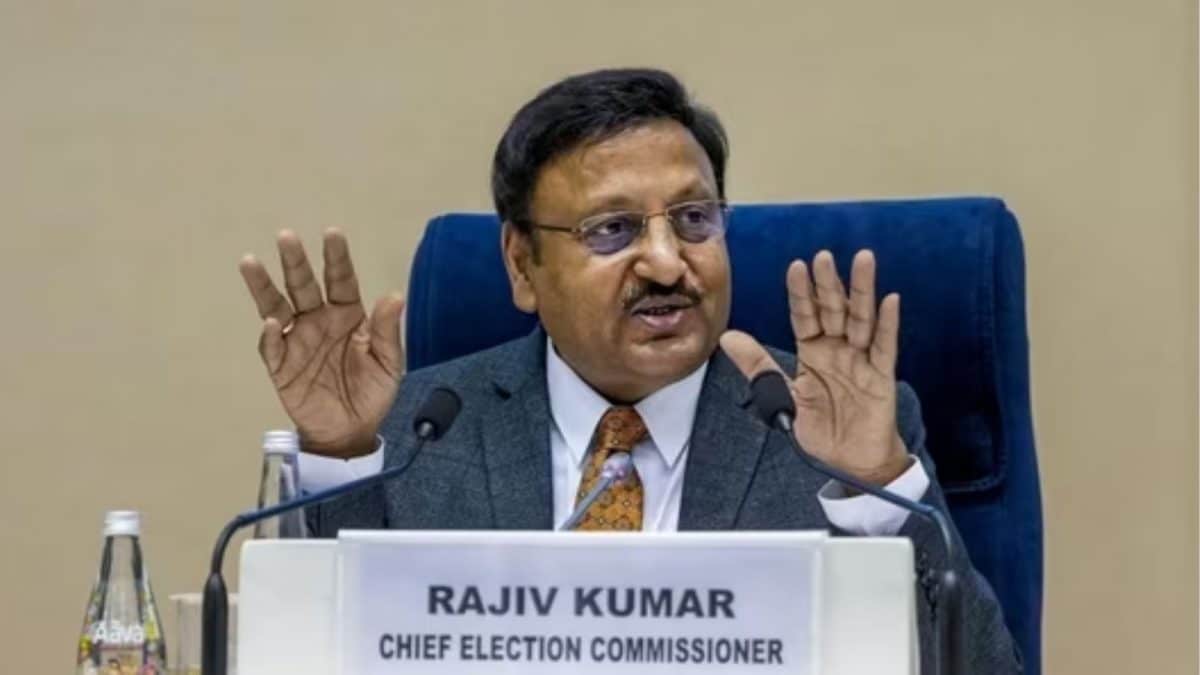
The upcoming appointment of India's next Chief Election Commissioner (CEC) is generating significant political interest. Current CEC Rajiv Kumar is set to retire on February 18th, 2025, prompting a crucial selection process. Sources indicate that a meeting to finalize the appointment is scheduled for February 17th, 2025, with key figures like Prime Minister Narendra Modi, Law Minister Arjun Meghwal, and Leader of Opposition Rahul Gandhi expected to attend. The selection process, managed by a search panel, involves reviewing a substantial pool of candidates – over 480 in total – before presenting a shortlist of five names for final consideration.
Gyanesh Kumar, a prominent contender for the CEC position, stands out due to his extensive experience within the Indian Administrative Service (IAS). A 1988-batch IAS officer from the Kerala cadre, Kumar's career trajectory reveals a close working relationship with Union Home Minister Amit Shah. He served as secretary in the Ministry of Cooperation, under Shah's purview, before retiring on January 31st, 2024. Prior to this, he held the position of secretary in the Ministry of Parliamentary Affairs, showcasing his experience in navigating the complexities of Indian governance and political dynamics.
Kumar's background includes significant roles within the Union Home Ministry. Reports highlight his involvement as Joint Secretary in the Kashmir Division during the abrogation of Article 370 in August 2019, a landmark decision with far-reaching implications for India's political landscape. Furthermore, in 2020, he served as additional secretary, heading a dedicated desk focused on the Supreme Court verdict regarding the Ayodhya case. This included overseeing matters pertaining to the formation of the Shri Ram Janmabhoomi Teerth Kshetra Trust, underscoring his expertise in handling sensitive and high-profile issues with significant political and social ramifications. His extensive experience in crucial government ministries suggests a deep understanding of policy-making processes and interactions within the political system.
The selection of the CEC is a critical event, carrying significant weight due to the role's independence and responsibility in overseeing India's election process. The CEC is responsible for ensuring fair and transparent elections, a cornerstone of India's democratic system. The choice of Kumar, given his background and association with prominent political figures, has sparked discussion about potential implications for the impartiality and independence of the Election Commission. Analyzing Kumar’s past roles and interactions with political leaders provides valuable insight into the dynamics shaping this important appointment and sheds light on the potential influences that may play a role in the future governance of India's electoral processes.
The upcoming meeting promises to be a pivotal moment in the ongoing political landscape. The decision reached will have lasting implications for India's electoral integrity and democratic functioning. The scrutiny surrounding the selection process highlights the significance of appointing an individual who can effectively balance the impartiality required for a free and fair election system with the pressures and expectations arising from political interactions. Whether Gyanesh Kumar’s experience and background align with the requirements of this crucial role is a matter of ongoing public and political discourse. The final decision will significantly shape perceptions of the integrity and fairness of future elections within India.
Source: Gyanesh Kumar To Be New Chief Election Commissioner? Selection Meeting May Take Place Next Week