
 |
|
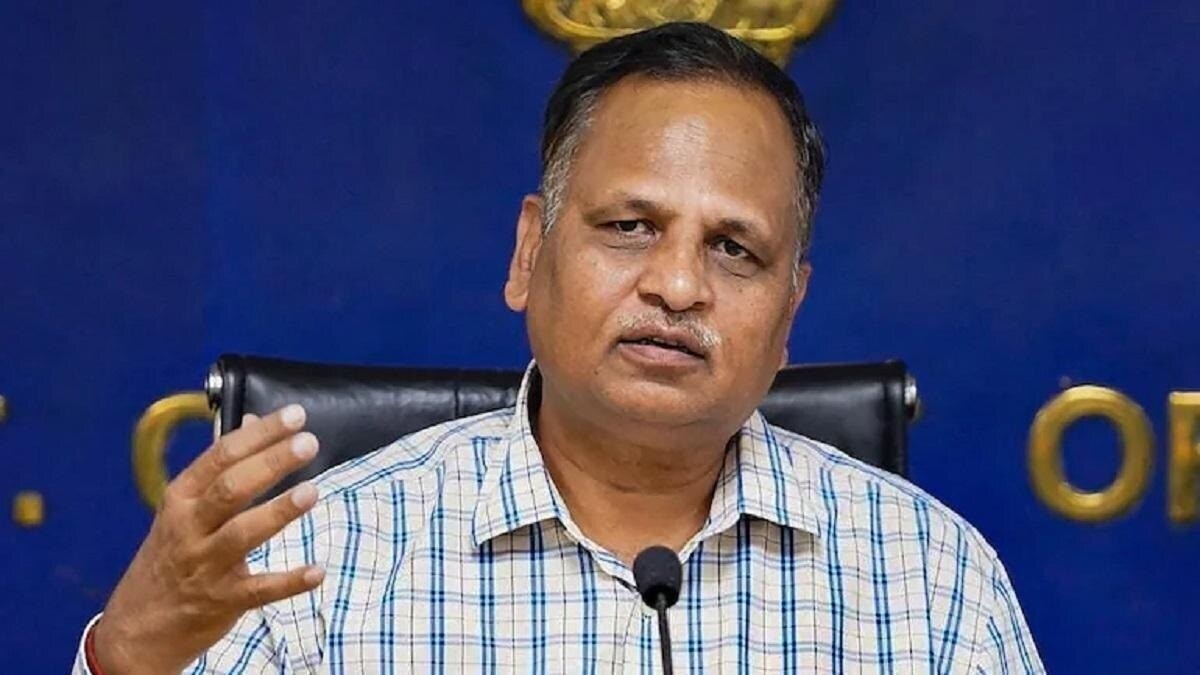
The Union Ministry of Home Affairs (MHA) in India has initiated proceedings to prosecute Aam Aadmi Party (AAP) leader Satyendra Jain on charges of money laundering. This significant move follows an investigation by the Enforcement Directorate (ED) which concluded that sufficient evidence exists to warrant prosecution. The MHA's request for presidential approval to proceed with the case underscores the seriousness of the allegations and the government's commitment to pursuing the matter through the legal system. The specifics of the case, as detailed by the ED, involve alleged hawala dealings and the acquisition of disproportionate assets. The investigation uncovered that during his time as a public servant, Jain allegedly received substantial sums of money through shell companies, which were subsequently used to purchase agricultural land. This intricate financial maneuvering highlights the complexity of the alleged crimes and the thoroughness of the ED's investigative efforts. The timeline of the case is noteworthy, starting with an initial FIR filed by the Central Bureau of Investigation (CBI) in 2017 based on allegations of disproportionate assets. This was followed by the ED's own investigation, leading to Jain's arrest in May 2022. Despite holding significant ministerial portfolios at the time, Jain subsequently resigned from his positions. The 18-month incarceration preceding his bail underscores the gravity of the accusations. The Delhi High Court's decision to grant bail, while seemingly suggesting some level of uncertainty or difficulty in achieving conviction, does not negate the accusations against him. The case continues to move forward with the MHA seeking the President's sanction for prosecution. This action underlines the legal process required in such cases and emphasizes the procedural safeguards in place to ensure that even those in powerful positions are held accountable for their actions.
The significance of the MHA's request to President Droupadi Murmu cannot be understated. Section 218 of the Bharatiya Nagarik Suraksha Sanhita (BNSS), under which the sanction is sought, highlights the stringent legal requirements for prosecuting public officials. This process aims to safeguard the rights of the accused while upholding the principles of justice and accountability. The President's decision will determine the next phase of the legal process, setting the stage for either a full-fledged trial or a dismissal of the case. This aspect of the case highlights the importance of checks and balances within the Indian legal system, emphasizing the role of the executive and judiciary in maintaining fairness and transparency. The detailed investigation undertaken by both the CBI and ED, involving the examination of financial transactions and the tracing of assets, underscores the complexities involved in investigating financial crimes. The scale of the alleged offenses, encompassing millions of rupees and intricate financial networks, necessitates a sophisticated and thorough investigative approach. This protracted investigation serves as a stark reminder of the time and resources often required to successfully prosecute complex financial crimes.
The case against Satyendra Jain has far-reaching political implications, impacting not only his political career but also the image of the AAP party. The allegations, regardless of their ultimate outcome in court, will likely have a significant effect on public perception. The case raises broader questions regarding transparency and accountability within government, fueling public debate about the potential for corruption at high levels. The media's extensive coverage of the case underscores the public interest in the outcome, further highlighting the significance of the legal proceedings. Public reaction to the MHA's action and the President's subsequent decision will be closely monitored, indicating the strong public interest in this particular case. The case raises crucial questions regarding the effectiveness of anti-corruption measures in India and the efficiency of investigative agencies in uncovering and prosecuting financial crimes. The ongoing legal battle and the extensive investigation required underscore the challenges involved in tackling high-profile corruption cases within a complex political landscape. The ongoing developments in the case will be observed with considerable interest by the public and political analysts alike, particularly given its political implications and the potential for further legal challenges.
Source: Centre seeks President's nod to prosecute Satyendra Jain in ED case: Adequate proof