
 |
|
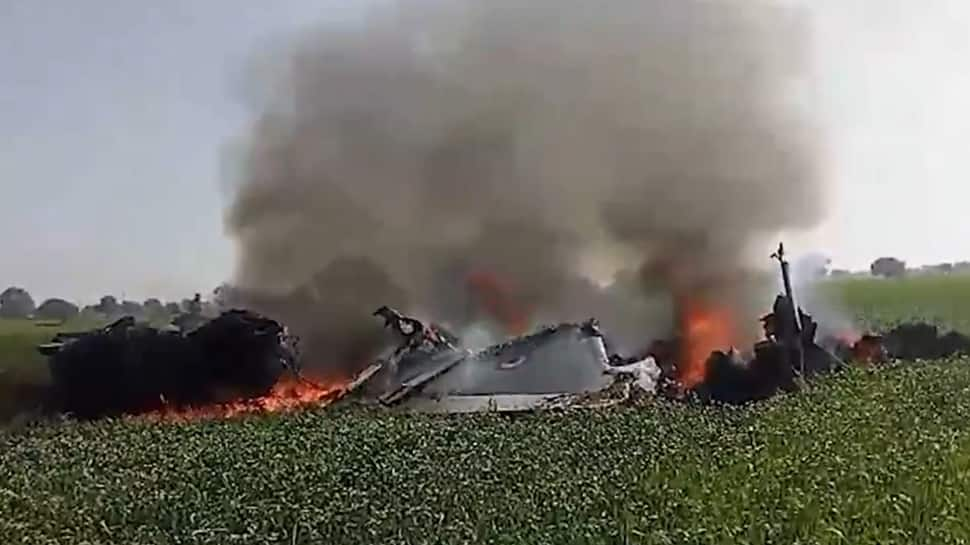
On Thursday afternoon, an Indian Air Force (IAF) Mirage-2000 fighter jet crashed in a farmland near Barheta Sunari village in Shivpuri district, Madhya Pradesh. The incident, which sparked widespread concern and garnered significant media attention, involved a twin-seater trainer aircraft on a routine sortie. According to a Central Air Command spokesperson, a system malfunction caused the aircraft to crash at approximately 2:40 pm. Remarkably, both pilots successfully ejected from the aircraft before impact, showcasing their exceptional training and quick thinking in a critical situation. While both sustained minor injuries, the swift response from emergency services ensured their rapid transport to a hospital in Gwalior for treatment. This incident highlights the inherent risks associated with military aviation and underscores the importance of rigorous safety protocols and ongoing maintenance to mitigate such occurrences.
The aftermath of the crash saw a remarkable event unfold – a two-minute audio-video recording of one of the injured pilots communicating with an official at the Gwalior Airbase. The pilot, likely using a mobile phone borrowed from a local villager, relayed vital information about the crash site, his location relative to his co-pilot (referred to as 'Bhola sir'), and the condition of the burning aircraft. The pilot's calm and collected demeanor amidst the stressful circumstances is testament to his professionalism and composure. This communication, captured by a bystander and subsequently shared widely on social media, offered a rare firsthand account of the events immediately following the crash, humanizing the incident and providing a gripping insight into the pilot's experiences.
The viral video spurred a wave of public interest and concern for the pilots' well-being. The rapid dissemination of the video through social media platforms underscores the power of digital communication in disseminating information, particularly in real-time, during emergencies. Meanwhile, the IAF launched a formal inquiry into the cause of the accident, a standard procedure to investigate such incidents, analyze the contributing factors, and implement necessary corrective measures to prevent future occurrences. The investigation will likely examine various aspects of the aircraft's maintenance, flight protocols, and potential system failures that may have contributed to the crash. The results of this inquiry will be crucial in informing safety enhancements and ensuring the continued operational effectiveness and safety of the IAF's fleet.
Beyond the immediate aftermath, this incident raises broader questions about aircraft safety and maintenance protocols within the IAF. The prompt and efficient response by the IAF in airlifting the injured pilots to the hospital speaks to the effectiveness of their emergency response systems. However, a thorough investigation is necessary not just to determine the immediate cause of this particular crash but also to identify any systemic issues that may need addressing. Continuous review and improvements to safety protocols and maintenance procedures are crucial in minimizing risks in high-stakes environments like military aviation. The incident also serves as a potent reminder of the courage and resilience displayed by IAF pilots in the face of danger. Their ability to successfully eject and relay crucial information showcases their extensive training and dedication to duty, and reinforces the commitment of the IAF to the safety and welfare of its personnel.
The incident has generated considerable public discussion about the safety standards of military aviation. While such accidents are rare, they underscore the inherent risks involved in flying advanced military aircraft. Maintaining a high level of safety requires constant vigilance, rigorous maintenance schedules, advanced technology, and thorough pilot training. The IAF's swift response and transparency in addressing the situation are commendable and essential in maintaining public confidence. The thorough investigation currently underway will play a critical role in identifying lessons learned from this incident and improving future safety procedures. The widespread sharing of the pilot’s video underlines both the power and potential pitfalls of social media in disseminating information following such events – offering valuable insights while also underscoring the importance of verifying information sources and avoiding the spread of misinformation.