
 |
|
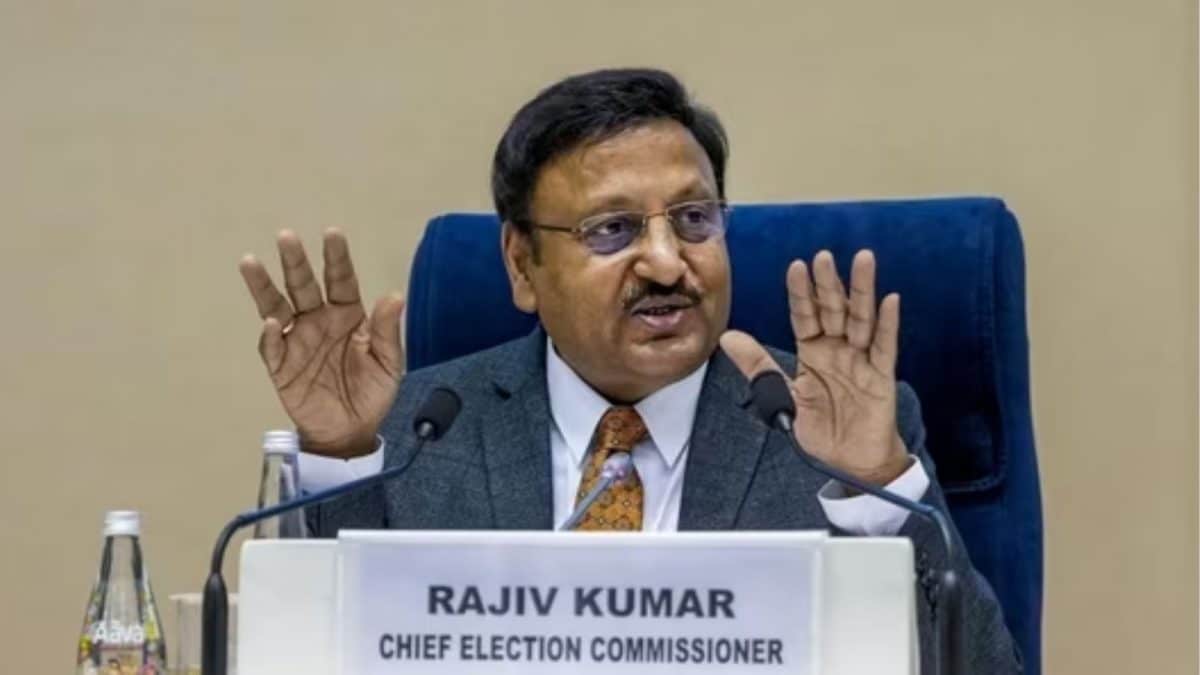
The upcoming appointment of a new Chief Election Commissioner (CEC) in India is generating significant political interest. Current CEC Rajiv Kumar's retirement on February 18th necessitates a swift and decisive selection process. Sources indicate that a crucial meeting, scheduled for February 17th, will convene to finalize the appointment. This meeting will be attended by key figures: Prime Minister Narendra Modi, Law Minister Arjun Meghwal, and Leader of the Opposition Rahul Gandhi. The selection process involves a search panel which has reportedly narrowed down a pool of over 480 candidates to a shortlist of five. Gyanesh Kumar, a prominent contender, stands out due to his extensive experience within the Indian Administrative Service (IAS) and his previous association with high-profile government figures.
Gyanesh Kumar's career trajectory is particularly relevant given the context of this appointment. A 1988-batch IAS officer from the Kerala cadre, Kumar has held key positions within the Indian government. His tenure as secretary in the Ministry of Cooperation, under the leadership of Union Home Minister Amit Shah, is noteworthy. This role, culminating in his retirement on January 31, 2024, highlights his experience in managing complex administrative responsibilities. Prior to this, he served as secretary in the Ministry of Parliamentary Affairs, further demonstrating his expertise in governmental processes and inter-ministerial coordination. His prior experience working under Union Home Minister Amit Shah also raises questions about potential influence on the selection.
Reports shed light on Kumar's involvement in significant events during his career. Notably, his time as Joint Secretary in the Kashmir Division of the Home Ministry (under Amit Shah's leadership) coincided with the abrogation of Article 370 in August 2019. Furthermore, his role as additional secretary, heading a dedicated desk focusing on the Supreme Court verdict on the Ayodhya case and the subsequent formation of the Shri Ram Janmabhoomi Teerth Kshetra Trust in 2020, demonstrates his experience in navigating politically sensitive and legally complex situations. This experience may be viewed as both an asset and potential source of controversy in his candidacy for CEC, a position requiring strict impartiality and neutrality.
The selection process itself underscores the significance of this appointment. The involvement of the Prime Minister, Law Minister, and Leader of the Opposition reflects the constitutional importance of the CEC's role in ensuring fair and free elections. The fact that the search panel has whittled down a substantial number of candidates to a shortlist of five indicates a rigorous selection process aimed at finding an individual with the necessary experience, integrity, and impartiality. However, the relatively small pool of candidates selected may also raise concerns about the diversity and breadth of considerations made by the selection panel.
The upcoming appointment of the CEC holds significant implications for India's democratic process. The CEC oversees all aspects of the electoral system, playing a critical role in safeguarding the integrity and fairness of elections. The chosen individual will not only manage the logistical aspects of conducting elections but also play a significant role in shaping public trust in the electoral system. The background and experience of the shortlisted candidates will, therefore, be scrutinized intensely, and their impartiality will be central to the public's confidence in the upcoming elections.
The selection of Gyanesh Kumar, if it materializes, will spark debate regarding potential conflicts of interest and the perception of impartiality within the Election Commission. While his experience is undeniable, his close association with a particular political figure raises questions about his ability to maintain an unbiased stance in a position that requires strict neutrality. The scrutiny surrounding his candidacy emphasizes the need for transparency and accountability in the selection process to ensure the public's trust in the democratic process. The public deserves assurance that the new CEC will act impartially and without political bias, ensuring the fairness and integrity of future elections.
Source: Gyanesh Kumar To Be New Chief Election Commissioner? Selection Meeting May Take Place Next Week