
 |
|
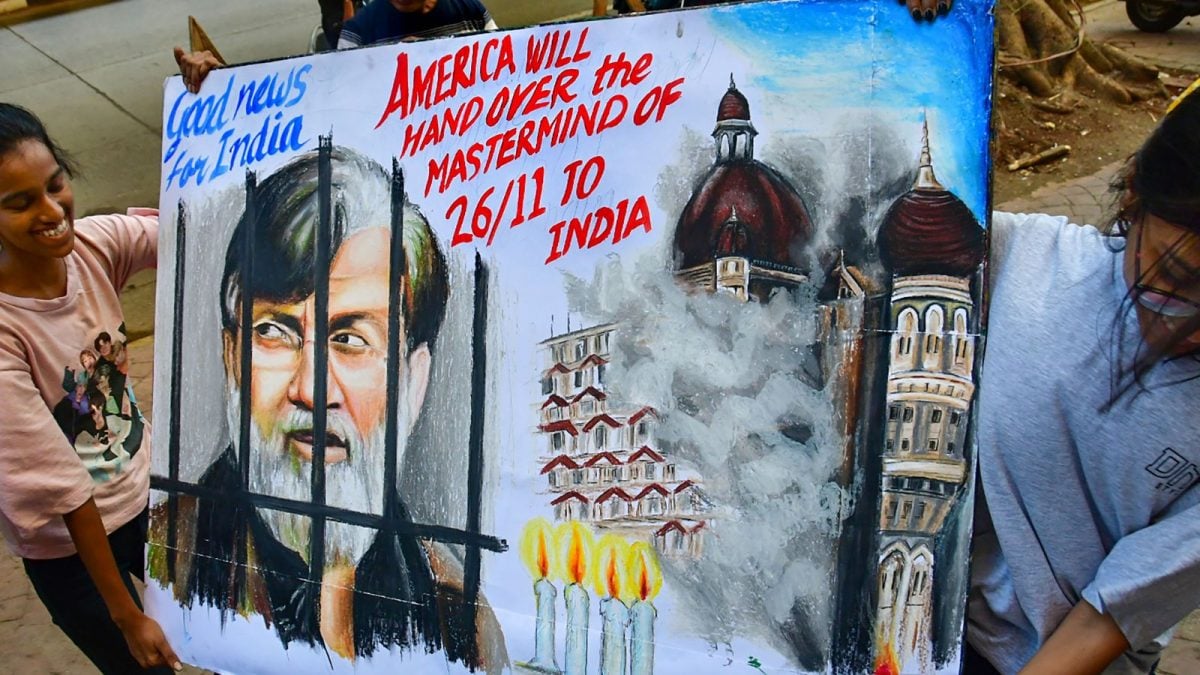
The long-awaited extradition of Tahawwur Rana, a key figure in the 2008 Mumbai terror attacks, has finally been approved by the United States. This decision marks a significant victory for India's efforts to bring those responsible for the devastating attacks to justice. Rana, a Pakistani-Canadian citizen, was convicted in the US for supporting the Lashkar-e-Taiba (LeT), the terrorist group that orchestrated the Mumbai attacks. His alleged role in facilitating the attacks, which claimed the lives of over 174 people, has made his extradition a top priority for the Indian government for many years. The announcement, made by US President Donald Trump during a joint press conference with Prime Minister Narendra Modi, underscored the strengthened counterterrorism cooperation between the two nations. Trump explicitly stated that Rana would be sent back to India to face justice, emphasizing the gravity of his actions and the commitment of the US to assisting India in its fight against terrorism.
The extradition process, however, is not without its procedural complexities. While the political decision has been made, the practical aspects of transferring Rana to India still need to be finalized. Government sources indicate that the Ministry of External Affairs (MEA) is currently working with its US counterpart to determine the exact date and logistics of the handover. A team of NIA (National Investigation Agency) officials is expected to travel to the US once the MEA receives necessary clearances. Upon arrival in India, Rana will be produced before a special NIA court. The NIA will then seek custody to question him further regarding his involvement in the attacks and any potential collaborators. This next phase will undoubtedly be crucial in gathering more evidence and piecing together the full picture of the 26/11 conspiracy.
The reaction in India to the news has been overwhelmingly positive. Maharashtra Chief Minister Devendra Fadnavis, expressed confidence in the country's ability to handle Rana's imprisonment, stating that India's jails are well-equipped to manage such high-profile cases, citing the previous incarceration of Ajmal Kasab, another key figure in the Mumbai attacks. The Chief Minister also highlighted the significance of Rana's extradition in bringing closure to the victims' families and ensuring that all those involved are held accountable. Other Indian officials echoed these sentiments, emphasizing the importance of the US's cooperation and the effectiveness of Prime Minister Modi's leadership in securing this outcome. The extradition is viewed not only as a victory for justice but also as a testament to the growing strategic partnership between India and the United States in combating terrorism. It sends a strong message that those who perpetrate acts of terrorism will be pursued relentlessly, regardless of their location or nationality.
The case against Rana is multifaceted and potentially far-reaching. Indian authorities believe Rana played a significant role in helping David Headley, another key figure in the 26/11 plot, scout locations in Mumbai prior to the attacks. Mumbai Police, who have been tracking Rana since his arrest in 2008, hope to glean further information from him about his accomplices, the logistical support he received, and any local collaborators who may have assisted him in his efforts. The investigation will likely delve into the extent of Pakistan's involvement in the attacks, a point that has been a source of tension between India and Pakistan for years. The information gathered during Rana's questioning could provide crucial evidence that strengthens India's case against Pakistan's alleged support for terrorist groups and provide more insights into the intricate network involved in the 26/11 conspiracy.
Beyond the immediate legal ramifications, the extradition of Tahawwur Rana has profound geopolitical implications. It symbolizes the growing convergence of interests between India and the US in countering terrorism, particularly in the context of the ongoing threats emanating from radical Islamist groups operating in the region. The joint statement by Prime Minister Modi and President Trump regarding the need for decisive action against cross-border terrorism further underscores this alignment. The success of this extradition sets a precedent for future collaborations between the two countries in bringing terrorists to justice and strengthens the global effort to combat terrorism. The next phase, the trial and subsequent proceedings, will be closely watched by the international community, underscoring the significant impact of this landmark decision on counter-terrorism strategies globally. The successful prosecution of Rana would demonstrate that no matter how carefully terrorists attempt to plan and execute their operations, they will eventually be brought to account.