
 |
|
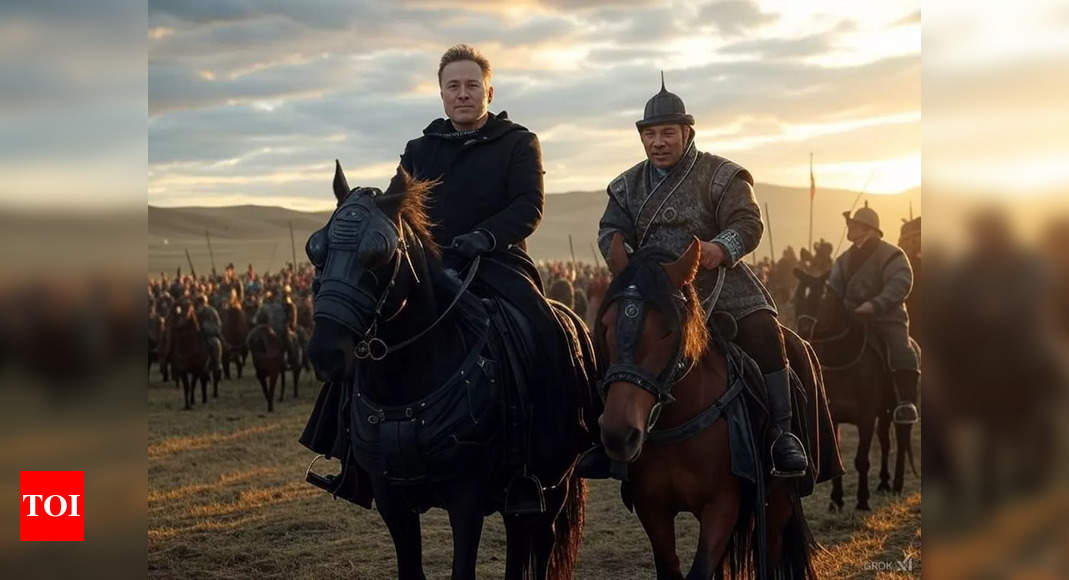
The article draws a striking parallel between Elon Musk and Genghis Khan, two figures separated by centuries but united by a shared penchant for aggressive expansion and the dismantling of established systems. While seemingly disparate at first glance – one a 13th-century warlord, the other a modern tech mogul – a closer examination reveals uncanny similarities in their methods and motivations. Both men are characterized by their relentless drive for conquest, their disregard for traditional norms, and their ability to cultivate fiercely loyal followers. The comparison, while provocative, offers a compelling framework for understanding Musk's business strategies and their impact on various industries.
Genghis Khan's legacy is inextricably linked to the brutal efficiency of his military campaigns. He united disparate Mongol tribes, forged a formidable army, and built the largest contiguous land empire in history. His conquests were not simply about territorial expansion; they fundamentally reshaped the political, economic, and social landscape of Eurasia. Similarly, Musk’s ventures – Tesla, SpaceX, and X (formerly Twitter) – have revolutionized their respective industries. He hasn't just competed; he has aggressively disrupted the existing order, forcing established players to adapt or be left behind. Tesla’s electric vehicles challenged the dominance of legacy automakers; SpaceX redefined space travel, making it commercially viable; and X has become a lightning rod, fundamentally altering the social media landscape and its relationship with free speech.
The comparison extends beyond mere disruptive business practices. Both figures possessed – and continue to possess in Musk's case – an ability to inspire intense loyalty among their followers. Genghis Khan's army was renowned for its discipline and unwavering devotion. Musk commands a different kind of army: a global network of investors, engineers, and ardent fans who champion his vision and fiercely defend him against criticism. This cult of personality, fueled by social media and the promise of technological advancement, contributes significantly to Musk's success and reinforces the parallel to Genghis Khan's power.
The article also touches upon the environmental implications of both men's actions, however paradoxical they may appear. While Genghis Khan's conquests resulted in widespread devastation, some researchers posit that the resulting abandonment of farmlands led to a decrease in global carbon emissions. This unexpected environmental consequence of mass destruction starkly contrasts with Musk's stated commitment to sustainable energy through Tesla and related ventures. This comparison highlights the complex and often unintended consequences of ambitious actions on a global scale, further reinforcing the fascinating – and somewhat unsettling – similarities between these two seemingly disparate figures.
The article's concluding remarks emphasize Musk's continued ambition and relentless drive, suggesting that his trajectory might mirror Genghis Khan's in scope and impact. The comparison is not meant to condone the brutality of Genghis Khan's conquests, but rather to offer a lens through which to analyze Musk's ambitious and often controversial strategies. By highlighting the similarities between these two historical figures, the article encourages a deeper consideration of the long-term consequences of disruptive innovation and the complexities of leadership on a global scale. It leaves the reader pondering whether Musk's legacy will be defined by his technological advancements or the disruption and controversy they invariably cause.
Furthermore, the article's mention of Musk's rumored large family size, echoing Genghis Khan's expansive lineage, adds another layer to the comparison. This aspect, though perhaps less significant in the overall narrative, reinforces the theme of legacy and the lasting impact these figures may have on the world. The cryptic nature of some of Musk's family life further enhances the enigmatic parallel to Genghis Khan's historical reputation.
Source: Empire Builder. Environmentalist. Destroyer. Father: What Elon Musk has in common with Genghis Khan