
 |
|
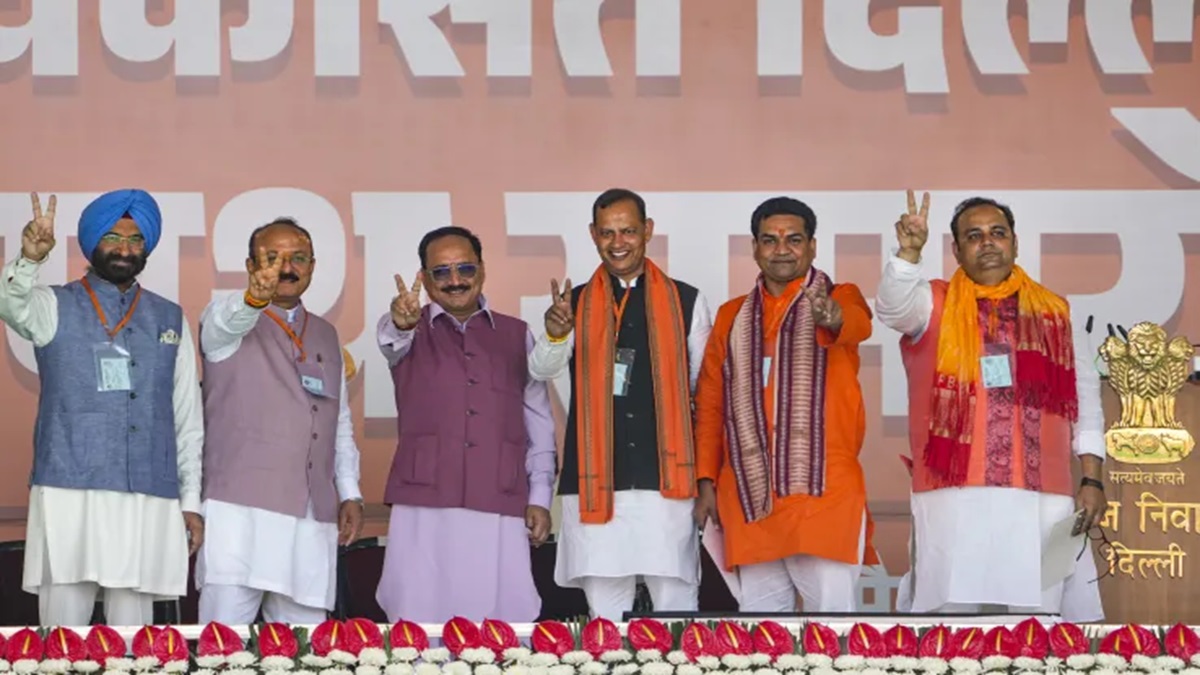
The recent formation of Delhi's new cabinet has been overshadowed by a report from the Association for Democratic Reforms (ADR) revealing that a significant number of ministers, including Chief Minister Rekha Gupta, have declared criminal cases against themselves. This revelation raises serious concerns about the integrity and transparency of the newly elected government. The ADR report, based on self-sworn affidavits submitted before the 2025 Delhi Assembly elections, paints a picture of a cabinet where a considerable portion of its members have a history of legal entanglement. Specifically, the report highlights that five out of the seven newly sworn-in ministers, representing a staggering 71%, have declared such cases. This statistic alone warrants a thorough investigation into the selection process and the implications for governance in Delhi. The fact that Chief Minister Rekha Gupta herself is included in this number further intensifies public scrutiny and necessitates a transparent explanation from both the Chief Minister and the ruling party.
The report further deepens the concerns by detailing the financial assets of the ministers. The findings reveal a stark contrast in wealth, with two ministers classified as billionaires, constituting 29% of the cabinet. This disparity in financial standing is a matter of public concern, especially given the potential for conflicts of interest and influence peddling. The minister with the highest declared assets, Manjinder Singh Sirsa, boasts a staggering Rs 248.85 crores, while the lowest, Kapil Mishra, declared assets worth Rs 1.06 crores. The average assets of the seven ministers analyzed stand at a remarkable Rs 56.03 crores, emphasizing the significant wealth held by those in positions of power. Such disparities raise questions about the accessibility of political office to individuals from diverse socioeconomic backgrounds and the potential impact of wealth on policy decisions.
Beyond the financial disclosures, the ADR report also sheds light on the educational qualifications and age demographics of the ministers. The report indicates that six out of seven ministers (86%) have declared educational qualifications at the graduate level or higher, suggesting a generally well-educated cabinet. However, the inclusion of one minister with only a 12th-standard education reveals a level of heterogeneity in the cabinet's educational background. In terms of age, the cabinet displays a concentration of ministers between 41 and 50 years old, comprising 71% of the total. The remaining two ministers fall within the 51-60 age bracket. The presence of only one female minister, who is the Chief Minister herself, highlights a persistent gender imbalance in Delhi's political leadership. This lack of female representation raises concerns about the diversity of perspectives and experiences within the cabinet.
The presence of serious criminal charges against at least one minister, Ashish Sood, warrants further attention. The nature of these charges needs to be publicly disclosed to ensure accountability and transparency. The public deserves to know the details of the charges and the ongoing legal proceedings. Failure to provide this information raises questions about the commitment of the government to open and accountable governance. The implications of these findings extend beyond mere statistics. They raise fundamental questions about the integrity of the political process, the selection criteria for ministerial appointments, and the overall governance of Delhi. The public needs assurance that those elected to lead are individuals of unimpeachable character and integrity. A thorough independent investigation is necessary to examine the accusations and ensure that due process is followed.
The ADR report serves as a crucial reminder of the importance of transparency and accountability in government. The public has a right to know the backgrounds and financial interests of those who hold positions of power. Self-reported information, as presented in the affidavits, while essential, must be complemented by rigorous verification and investigation. The government's response to this report will be instrumental in determining its commitment to upholding the highest standards of ethics and transparency. Furthermore, this incident underscores the importance of strengthening election laws and campaign finance regulations to reduce the influence of money and criminal elements in politics. Ultimately, strengthening democratic institutions and promoting citizen engagement is vital in ensuring that the political process in Delhi remains fair, transparent, and accountable to the people it serves.
Source: Delhi Cabinet: Five ministers, including CM Rekha Gupta, face criminal cases, says ADR report