
) |
|
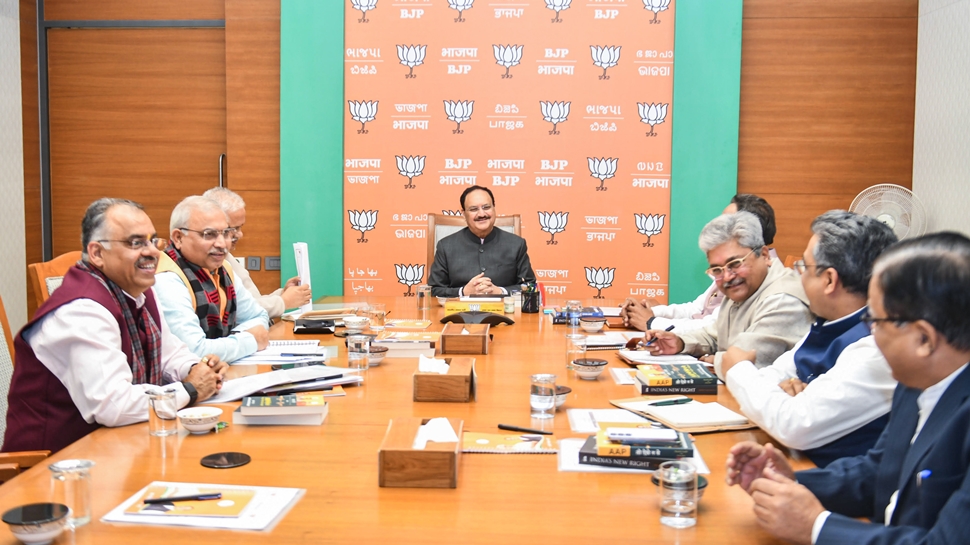
The political landscape of Delhi is currently abuzz with anticipation as the Bharatiya Janata Party (BJP) prepares to elect its new Chief Minister. Following a decisive victory in the recent assembly elections, the party is poised to assume power after a significant hiatus. The process, however, has been marked by a degree of suspense, with the initial legislature party meeting postponed from February 12 to February 19. This delay has fueled speculation and provided fodder for political commentary, particularly from the opposition Aam Aadmi Party (AAP). The postponement itself suggests internal deliberations within the BJP regarding the selection of its leader, highlighting the strategic importance of this decision and the potential ramifications for the party's future governance.
The venue for the upcoming swearing-in ceremony has been confirmed as the Ramlila Ground, a significant location known for its historical and cultural relevance in Delhi. The choice of this location speaks volumes about the BJP's strategy to present the event as a grand spectacle, demonstrating the party's strength and unity. The presence of numerous Chief Ministers from other BJP-ruled states is expected, bolstering this image of a unified NDA. The anticipated large turnout of approximately one lakh people further emphasizes the BJP's intention to showcase its popular support. This planned demonstration of strength is clearly aimed at projecting an image of power and stability, crucial in consolidating its position after regaining control of the Delhi Assembly.
While the BJP has maintained a carefully guarded silence regarding the identity of its preferred candidate for Chief Minister, the name of Parvesh Sahib Singh Verma has emerged as a strong contender. His victory over Arvind Kejriwal in the prestigious New Delhi constituency undoubtedly bolsters his credentials. The symbolism of defeating the incumbent Chief Minister is significant and adds weight to his claim. However, other prominent BJP MLAs are also in the running, including Kapil Mishra, Ashish Sood, Rekha Gupta, Vijender Gupta, Ravi Negi, and Manjinder Singh Sirsa. The final selection will likely depend on a complex interplay of factors, considering the individual strengths of the candidates, their political alliances, and the overall strategic goals of the party.
The AAP, the previous ruling party, has not remained silent amidst the BJP's internal deliberations. Senior AAP leader Gopal Rai's comment about the potential for Delhi to see three different Chief Ministers in the next five years is a pointed jab at the BJP's perceived lack of decisiveness. The reference to the BJP's previous tenure in Delhi, marked by three Chief Ministers in quick succession (Madan Lal Khurana, Sahib Singh Verma, and Sushma Swaraj), is a deliberate attempt to cast doubt on the BJP's ability to provide stable leadership. This rhetorical strategy serves to highlight the AAP's own claim to stable governance, drawing a stark contrast between its own track record and the potential for instability under the BJP. This points to a continuing battle for public perception and the narrative surrounding governance in Delhi.
The BJP's return to power in Delhi after more than two decades represents a significant shift in the city's political landscape. The results of the recent Assembly elections, announced on February 8, saw the BJP win a decisive 48 seats out of 70, effectively ending the AAP's decade-long rule. This victory underscores a fundamental change in the political preferences of Delhi's electorate, demonstrating a shift away from the AAP's policies and towards the BJP's platform. This significant electoral win highlights the challenges the AAP now faces in recapturing public support. The BJP's decisive victory sets the stage for its next five years in office and also sets the course for the next assembly election in 2030. The coming years will be crucial in determining the long-term impact of this political realignment in Delhi and its influence on national politics.
In conclusion, the selection of the new Delhi Chief Minister is a pivotal moment for the BJP, not only in terms of governing the national capital but also as a significant indicator of the party's strategic prowess and ability to consolidate its position. The delay in the selection process, the choice of the Ramlila Ground for the swearing-in ceremony, and the anticipated large attendance all point to a carefully orchestrated effort to demonstrate strength and stability. The reaction from the opposition AAP, highlighted by Gopal Rai's pointed comments, underscores the ongoing political battles for public opinion and the framing of the narrative surrounding governance in Delhi. The upcoming years will be defining for both the BJP and the AAP, setting the stage for the next electoral contest in 2030.
Source: Delhi CM Race BIG Update: Ramlila Ground Set For Grand Swearing-In Event; NDA CMs Likely To Attend