
 |
|
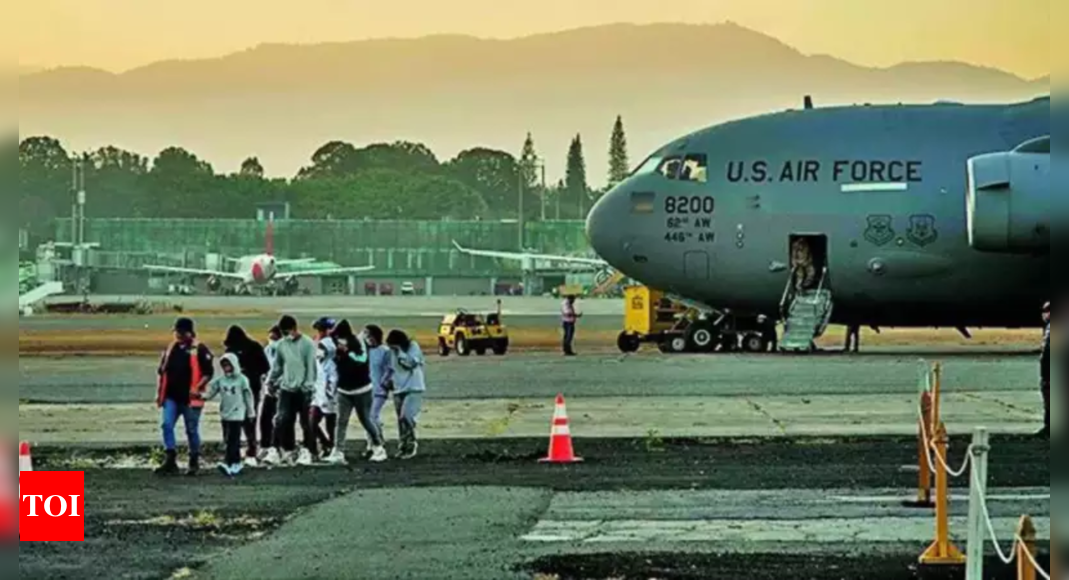
The recent deportation of Sikh individuals from the United States to Amritsar, India, has ignited a significant political controversy, with the Congress party sharply criticizing Prime Minister Narendra Modi's handling of the situation. The core of the criticism centers around the fact that dozens of Sikh deportees arrived in Amritsar without their turbans and patkas, essential articles of faith within Sikhism. This perceived lack of respect for religious customs, coupled with the choice of Amritsar as the deportation destination, has fueled the Congress party's accusations of governmental negligence and a deliberate political strategy. The Congress party, through social media posts, directly labeled Modi a 'weak Prime Minister', highlighting the perceived humiliation of Sikh individuals and connecting it to Modi's past interactions with US President Donald Trump. This direct attack underscores the political stakes involved and the party's attempt to capitalize on the controversy to garner public support.
The choice of Amritsar as the deportation destination is a crucial element of the Congress party's critique. Congress spokesperson Alok Sharma questioned the rationale behind flying the deportees to Amritsar, given that the flight paths seemingly would have been more direct through other parts of India. The implication is that Amritsar, a city of great religious significance for Sikhs, was deliberately selected to maximize the negative impact and perhaps even to create a sense of political unrest within Punjab. This assertion highlights the party's suspicion that a calculated political motive underpins the government's handling of the situation. This strategic positioning of the deportations also draws attention to underlying tensions between the central government and the Punjab state government, further complicating the political narrative surrounding the event.
The Shiromani Gurdwara Parbandhak Committee (SGPC), a prominent Sikh organization, played a crucial role in providing immediate assistance to the deportees. Reports indicate that the SGPC, working alongside airport staff, provided essential items such as turbans and patkas to those who had arrived without them. The committee also organized transportation and langars (community kitchens) to ensure that the deported individuals received basic necessities and support. This action by the SGPC is significant because it not only helped those directly impacted but also underscores the concern within the Sikh community regarding the manner in which the deportations were conducted. The SGPC's subsequent plans to address the matter with the US government further highlight the seriousness and widespread concern surrounding this issue.
Beyond the immediate implications of the incident itself, this situation highlights several broader concerns. The controversy illuminates the challenges faced by Indian citizens abroad, particularly the complexities of immigration processes and deportation procedures. It also brings into sharp focus the potential for political exploitation of sensitive religious and cultural issues. The debate underscores the importance of sensitivity and respect for religious practices in government actions and the impact that seemingly minor details, such as the choice of deportation location, can have on political perceptions. The ongoing dialogue between the Congress party, the government, and Sikh community leaders will likely continue to shape the political landscape in India for the foreseeable future. The incident serves as a case study in how seemingly isolated events can escalate into major political disputes, with significant implications for both national and international relations.
The handling of this situation has also exposed potential weaknesses within the existing diplomatic frameworks between India and the United States. The incident raises questions about the communication and coordination between the two governments regarding the deportation process and the sensitivity to cultural and religious norms. Furthermore, this event might prompt a reassessment of diplomatic procedures to ensure that future deportations are handled with greater care and consideration for the human rights and religious sensitivities of those involved. The lack of communication or miscommunication between governments may also lead to increased scrutiny of future deportation processes to prevent similar incidents from occurring.