
 |
|
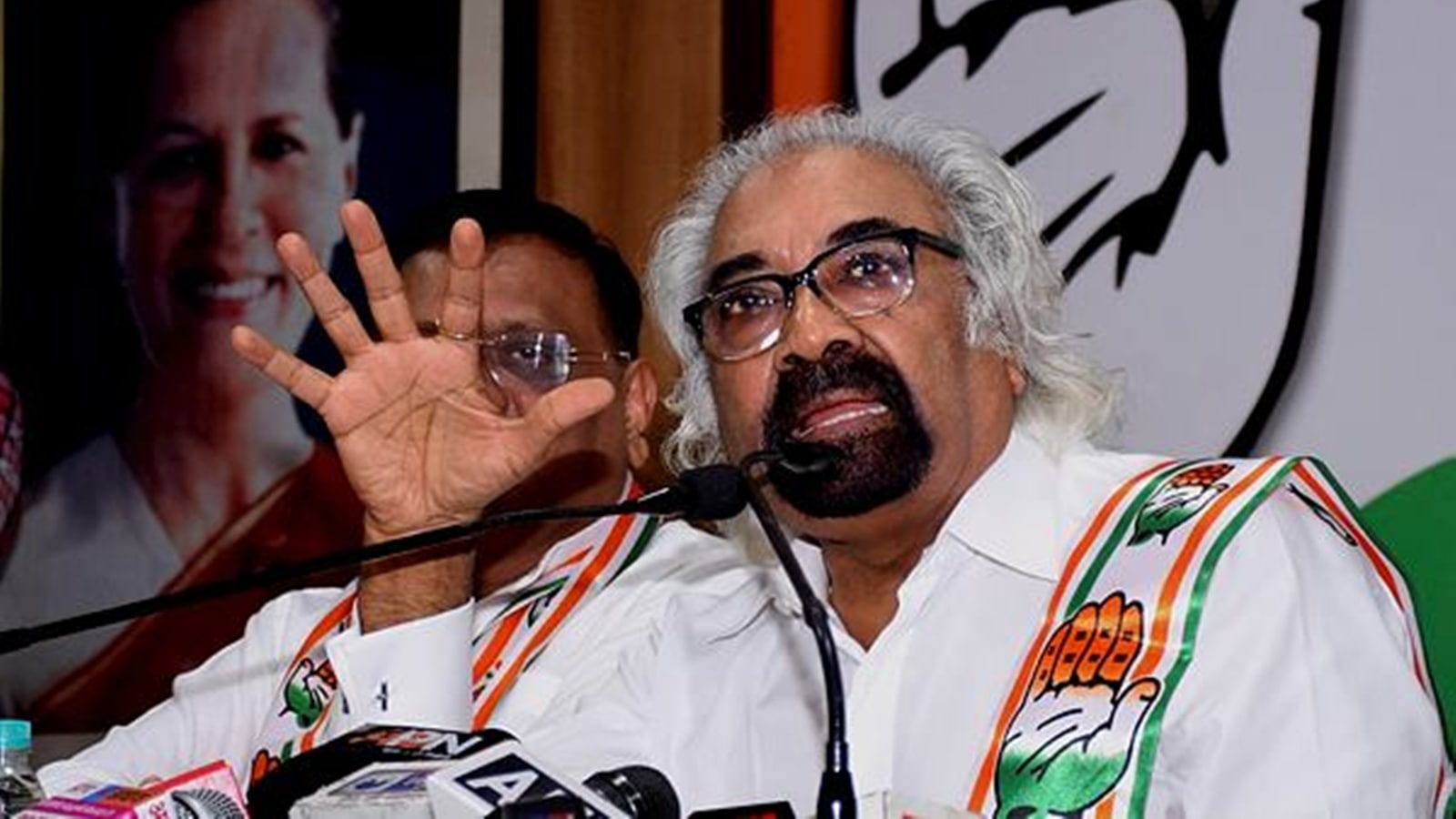
The Indian political landscape witnessed a significant development on Monday as the Congress party swiftly distanced itself from the controversial remarks made by its Overseas Congress Chairman, Sam Pitroda, regarding India's relationship with China. Pitroda's statements, suggesting that characterizing China as an enemy from the outset is unfair, sparked immediate and intense criticism from the Bharatiya Janata Party (BJP), the ruling party, leaving the Congress on the defensive. The incident highlights the deep-seated political divisions and differing perspectives on foreign policy, particularly concerning India's approach to its powerful neighbor.
Congress communication-in-charge, Jairam Ramesh, issued a formal statement unequivocally distancing the party from Pitroda's views. Ramesh emphasized that China remains a significant challenge for India across various domains – foreign policy, external security, and the economy. This statement underscored the Congress party's attempt to clarify its official stance and prevent the controversy from escalating further. Importantly, Ramesh also pointed out the Congress's consistent criticism of the Modi government's approach towards China, emphasizing that the party’s own position on the matter was firmly rooted in a more critical stance towards China than what Pitroda conveyed. The reference to specific dates for earlier Congress statements on China adds to this narrative of a consistent, albeit contrasting, position on the subject.
Pitroda's comments, made in an interview with the IANS news agency, were significantly more conciliatory towards China. He questioned the perceived threat from China, suggesting it's often exaggerated due to external influences and the tendency to define enemies. He advocated for increased communication, collaboration, and cooperation with China rather than maintaining a confrontational approach. His argument centered on the need for a more nuanced understanding of China’s rise and the need to approach the issue through global networking and collaboration. Pitroda's emphasis on mutual growth and respect, rather than an us-versus-them narrative, is quite contrasting from the BJP's prevailing narrative.
The BJP's response was swift and strongly worded. Party spokespeople condemned Pitroda's comments, alleging that they align with a broader pattern of Congress support for China. Sudhanshu Trivedi, a BJP spokesperson, characterized Pitroda's remarks as reflective of the Congress party's overall mindset, suggesting a tacit agreement with the Chinese government. The BJP's statements were aimed at painting the Congress as being soft on China and thereby undermining national security. The criticism also extended to Rahul Gandhi, the leader of the opposition, highlighting his previous comments regarding China's economic rise and what the BJP framed as an admiration for China’s manufacturing capabilities. These accusations directly attacked the credibility and stance of the Congress party on matters of national interest and foreign policy.
The controversy also highlights the broader context of the India-China relationship. The ongoing border tensions, trade disputes, and differing geopolitical interests have created a volatile environment. The BJP’s characterization of Pitroda’s views as undermining India’s national security speaks to this tense context, showcasing the significance of differing perspectives regarding how to manage India's relationship with China. The BJP’s comments also touch upon historical events, notably referencing the perception that the Congress ceded territory to China in the past. This historical framing is intended to bolster the BJP’s argument against the Congress and further highlight the perceived disparity in their handling of national security affairs. The incident also brings into focus the role of the Indian Parliament in discussions about foreign policy and the extent to which the Parliament is a platform for airing national debate and reaching a consensus on such critical issues.
The incident serves as a clear example of the deeply polarized political climate in India. The swift condemnation by the BJP and the equally swift distancing by the Congress demonstrate the high stakes involved in any public statement concerning India's relationship with China. The clash of ideologies and the strategic implications of the statements made by Pitroda underscore the sensitivity surrounding India's foreign policy choices. The ongoing debate will likely continue to shape the national discourse and influence the public perception of both parties, impacting their political standing and future strategies. The incident further emphasizes the complexities of navigating a rapidly changing global landscape and the significant challenges involved in balancing national security with economic and diplomatic engagement with powerful nations.
Ultimately, the incident surrounding Sam Pitroda's remarks underscores the importance of clear communication and a consistent approach to foreign policy. The rapid reaction from both Congress and the BJP highlights the extreme sensitivity surrounding relations with China, a country that remains a key player in the global geopolitical landscape and a crucial neighbor for India. The episode also raises broader questions about the role of party leaders in shaping public discourse on complex foreign policy matters and the importance of ensuring internal consistency of messaging within political parties on such critical issues. As India navigates its evolving relationship with China, the debate over strategic direction will undoubtedly continue, shaping the nation’s trajectory on the world stage.
Source: Congress distances itself from Sam Pitroda’s remarks on China amid backlash from BJP