
 |
|
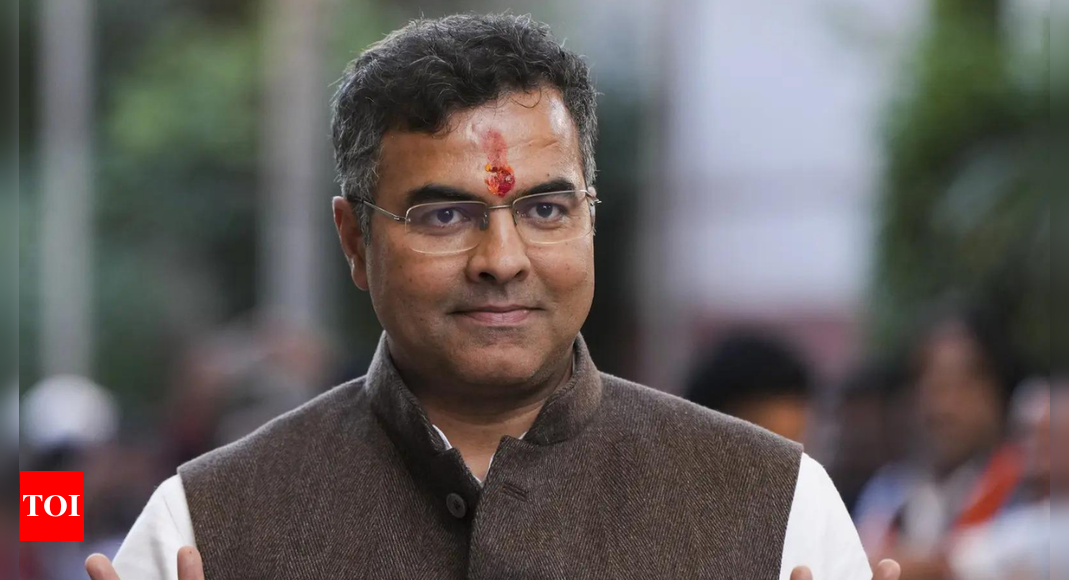
The recent Delhi Assembly elections witnessed a resounding victory for the Bharatiya Janata Party (BJP), marking a significant political shift in the national capital. Parvesh Verma, a prominent BJP leader, emerged victorious in the New Delhi constituency, defeating incumbent Chief Minister Arvind Kejriwal of the Aam Aadmi Party (AAP) by a margin exceeding 4,000 votes. This unexpected win underscores a substantial change in the political landscape of Delhi, effectively ending AAP's dominance in the region. Verma's victory is particularly noteworthy given Kejriwal's considerable popularity and the AAP's previous strong performance in the city. The BJP's overall success, securing 48 out of 70 seats, represents a dramatic return to power after a 27-year absence, signifying a major setback for the AAP and a further decline for the Congress party which finished a distant third.
Verma's triumph has been widely interpreted as a reflection of broader national trends and voter sentiment. His victory speech, in which he referenced the BJP's 1993 assembly election victory, highlights the party's strategic success in capitalizing on various factors, possibly including dissatisfaction with the AAP's governance, a national wave in favor of the BJP, and effective campaign strategies. The BJP's focus on issues like development, infrastructure, and national security likely resonated with a segment of the electorate, contributing to their significant gains. The election results highlight the dynamic and fluid nature of Indian politics, where regional power structures are constantly evolving and subject to significant shifts based on various socio-political factors.
The outcome of the Delhi elections has far-reaching implications for national politics. The BJP's clear victory strengthens its position at the national level, reinforcing its dominance in many key states. This victory presents both challenges and opportunities for the party. While it solidifies their position, it also places a significant responsibility upon them to govern effectively in a diverse and politically complex city like Delhi. The BJP's ability to meet the expectations of the Delhi electorate will be crucial in shaping public perception and influencing future elections. The AAP, while suffering a major defeat, still retains a substantial presence and will likely reassess its strategies to regain its lost ground in future political contests.
Beyond the immediate implications for the BJP and AAP, the Congress party's continued decline is a cause for concern. Their poor performance indicates a need for significant internal reform and a renewed focus on connecting with voters at the grassroots level. The elections also highlight the limitations of relying solely on anti-incumbency sentiment or previous successes. The AAP's electoral fortunes highlight the importance of adaptability and responsiveness to changing political landscapes and voter needs. The results serve as a cautionary tale for political parties, emphasizing the need for constant engagement with the electorate and the ability to address their concerns effectively. The success of any political party ultimately hinges on its capacity to understand and respond to the ever-evolving dynamics of the political landscape and the aspirations of its people.
The election results also raise questions about the future of Delhi's governance. The BJP's commitment to fulfilling the promises made during the campaign will be crucial in determining its success. The party’s focus on various development initiatives and their ability to deliver on these promises will be closely scrutinized. The long-term impact of the BJP's victory will depend heavily on its effectiveness in managing the city's affairs, balancing the needs of diverse communities, and ensuring equitable development for all. The election outcome underscores the complexity and dynamism of urban politics, where the interplay of national and local issues often shapes electoral results and the future trajectory of governance.
Source: 'Memories of 1993 have refreshed': BJP's Parvesh Verma who took New Delhi from AAP's Arvind Kejriwal