
 |
|
The recent political turmoil in Bangladesh has escalated significantly, leading to a formal diplomatic protest lodged by the Bangladeshi government against India. The core of the dispute centers around statements made by Sheikh Hasina, the deposed prime minister currently residing in India, following the vandalism and arson attacks targeting properties associated with her family and the Awami League. These attacks, fueled by social media calls for a “bulldozer procession,” resulted in the destruction of Sheikh Mujibur Rahman's residence, the founder of Bangladesh and Hasina's father, along with other family homes and Awami League offices. The scale of the destruction, including the burning of the residence and the defacing of murals depicting Sheikh Mujibur Rahman, underlines the depth of the political divisions within Bangladesh.
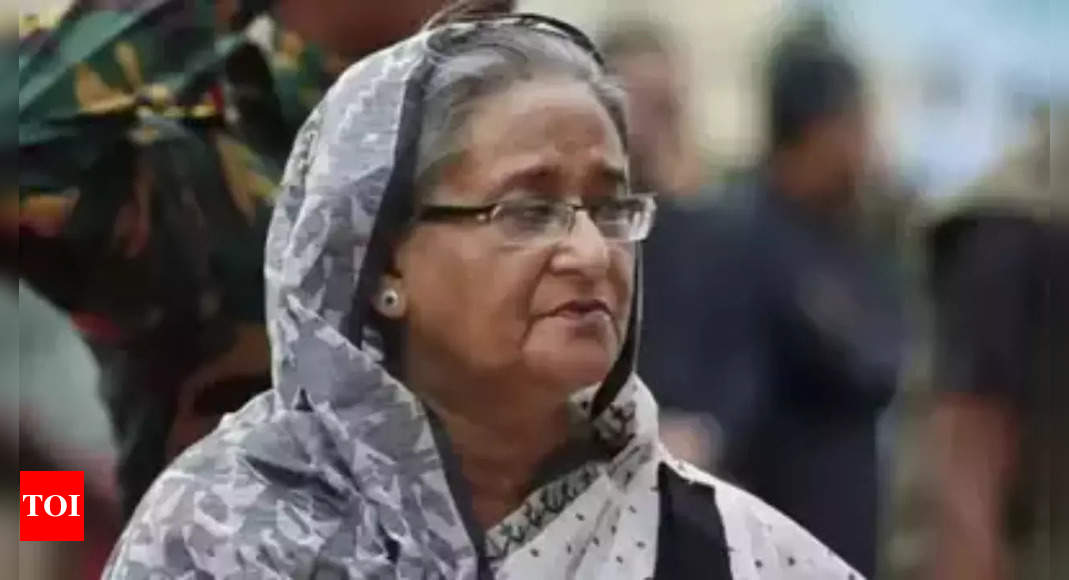
In response to these events, Sheikh Hasina delivered a speech, condemning the attacks and implicitly criticizing the current Bangladeshi administration. She invoked the historical context of the 1971 Liberation War, highlighting the fact that Pakistani forces, while damaging her father's home, did not destroy it completely. Her emotional address framed the current vandalism as a targeted political attack, highlighting the symbolic significance of the residence and the family's legacy. She also issued a powerful warning, asserting that history has a way of avenging such actions. This speech, however, became the catalyst for the escalating diplomatic conflict between Bangladesh and India.
Bangladesh's government responded swiftly and firmly. They deemed Hasina's statements as “false and fabricated,” characterizing them as an attempt to incite instability within the country. This assessment is particularly significant given Hasina's prominent position as a former prime minister and her continued influence, even from exile in India. The Bangladeshi government officially lodged a strong protest with the Indian government, summoning the acting Indian High Commissioner to Dhaka. The formal protest note explicitly requested India to prevent Hasina from making further provocative statements, emphasizing that her actions are detrimental to the already strained relationship between the two nations. The Bangladeshi foreign ministry publicly stated that these actions are considered a “hostile act” against Bangladesh.
The diplomatic standoff highlights the complex relationship between Bangladesh and India. While historically strong ties exist between the two countries, the current situation underscores the potential for friction stemming from internal political dynamics within Bangladesh. India's response, or lack thereof, to Bangladesh's formal request is a crucial element to watch. Silence could be interpreted as tacit support, potentially further straining relations. Active intervention, on the other hand, could be seen as interference in Bangladesh’s internal affairs, equally problematic. This precarious situation demands a delicate diplomatic balance, with significant implications for regional stability.
The events surrounding the vandalism and subsequent diplomatic protest also raise critical questions about freedom of speech and political expression within Bangladesh. The scale of the destruction and the targeting of specific political figures points to a deeply divided society with strong loyalties and bitter antagonisms. Understanding the underlying causes of this unrest and finding peaceful resolutions are paramount to achieving lasting stability. The international community will undoubtedly be observing developments closely, particularly given the potential for wider regional consequences.
The future trajectory of this conflict is uncertain. Further statements from both sides, along with any reactions from the international community, will significantly impact the situation. The focus will likely remain on whether India will comply with Bangladesh's request, the nature of any response from India, and how the Bangladeshi government will manage the political fallout domestically. The incident serves as a stark reminder of the complexities of international relations and the challenges of maintaining amicable relations in the face of internal political conflict.
Source: 'Hostile act': Bangladesh lodges 'strong protest', summons Indian envoy over Hasina's speech