
 |
|
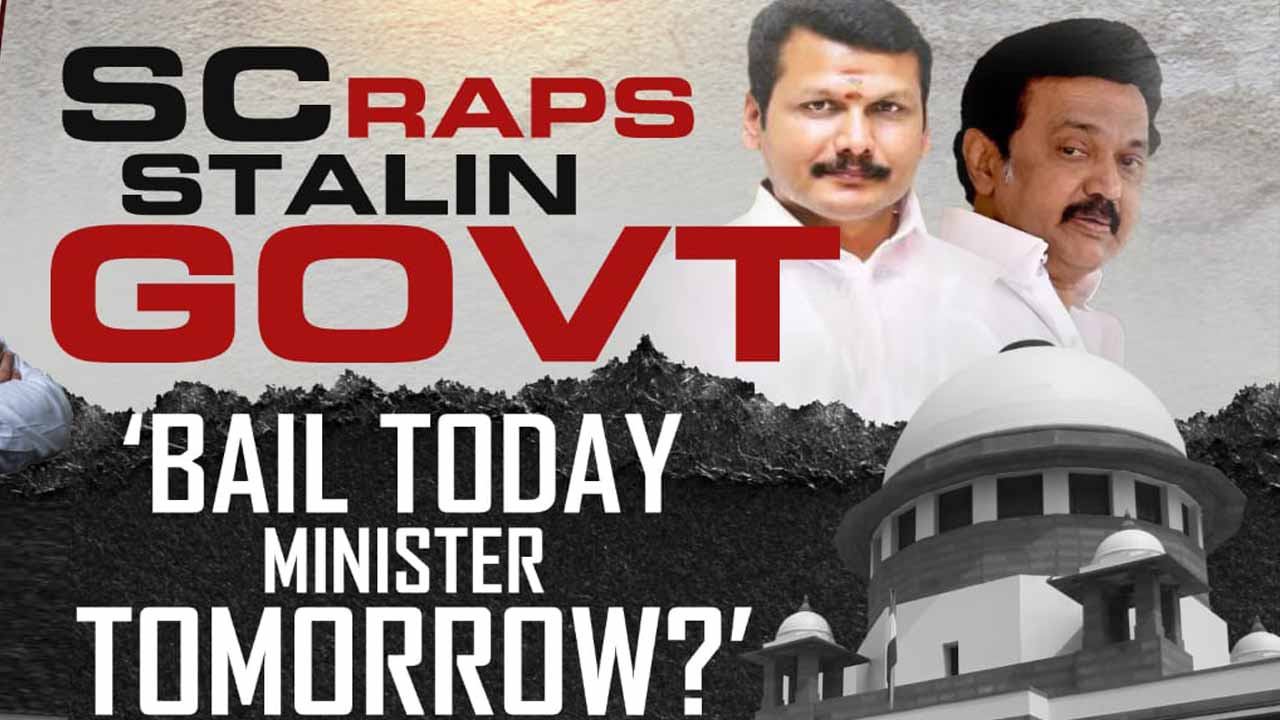
The Supreme Court's recent questioning of Tamil Nadu Chief Minister MK Stalin's decision to reinstate Senthil Balaji into the cabinet has ignited a significant political debate. The core issue revolves around the timing of Balaji's reinstatement, specifically whether it was prudent to re-induct him before the conclusion of his ongoing legal case. The court's pointed inquiries suggest a concern over potential procedural irregularities or a disregard for the ongoing legal proceedings. This raises questions about the interplay between political expediency and adherence to the rule of law. The implications extend beyond the immediate political landscape of Tamil Nadu, touching upon broader concerns about the independence of the judiciary and the potential influence of political considerations on judicial processes. The reinstatement itself was a bold move by Stalin, showcasing his unwavering support for a key member of his party despite facing serious allegations. This act of loyalty, however, is now subject to intense public scrutiny and legal examination.
The timing of Balaji's reinstatement is the central point of contention. Critics argue that reinstating Balaji before the court case concluded demonstrates a lack of respect for the judicial process. They contend that the DMK should have waited for the legal proceedings to run their course, allowing the courts to determine Balaji's innocence or guilt before offering him a ministerial position. This would have sent a stronger message about the party's commitment to upholding the law and ensuring transparency in governance. Conversely, supporters of the move argue that Balaji's reinstatement was a necessary political decision, showcasing the DMK's unwavering support for its members. They suggest that Balaji's continued absence from the cabinet would have been detrimental to the party's image and its political standing within the state.
The Supreme Court's tough questioning underscores the seriousness of the situation and the potential legal ramifications for both Balaji and the DMK. The court's inquiries highlight a need for greater transparency and accountability in the political process. It serves as a stark reminder that political decisions must align with the rule of law, and that loyalty to party members should not overshadow the importance of upholding judicial processes. The case highlights the delicate balance between political loyalty and adherence to the principles of justice. The outcome of this case will undoubtedly set a precedent for future similar situations, influencing the relationship between the judiciary and the political establishment in Tamil Nadu and beyond. The case also brings into sharp focus the potential consequences of prioritizing political expediency over due process and the importance of upholding the integrity of the judicial system.
The ongoing legal battle facing Senthil Balaji is significant, and its outcome could have far-reaching consequences. The Supreme Court's involvement indicates the high stakes involved and the potential for significant legal repercussions. The court's active engagement in the case is a reminder that the judiciary plays a critical role in safeguarding the rule of law and ensuring accountability within the political sphere. This case also underscores the vital importance of transparency and accountability in governance, particularly at the highest levels. The public's right to know how such critical decisions are made and the reasons behind them is paramount in a democratic society. The ongoing debate highlights the challenges faced by political parties in balancing their internal loyalties with their responsibilities to the electorate and the wider legal framework. The case will undoubtedly continue to unfold, and its impact will extend well beyond Tamil Nadu's borders, serving as a case study on the relationship between politics and the judiciary.
Further analysis of this case necessitates a deeper exploration of the specific charges against Senthil Balaji, the evidence presented in court, and the legal arguments advanced by both sides. It's crucial to examine the judicial precedents that will be relevant to the final judgment and to assess the potential implications of the court's decision for the political landscape in Tamil Nadu. The media's role in shaping public opinion and influencing the narrative surrounding this case should also be critically examined. Ultimately, this case serves as a crucial reminder of the importance of judicial independence, transparency in government, and the delicate balance between political loyalty and adherence to the rule of law. The implications of the Supreme Court's actions will be closely watched not only in Tamil Nadu but also across India, setting a significant precedent for future political and legal battles.