
 |
|
The Indian Navy is embarking on an ambitious expansion plan, aiming to add 100 warships to its fleet. This significant undertaking underscores India's growing commitment to bolstering its naval capabilities and asserting its presence in the strategically vital Indian Ocean region. The centerpiece of this expansion involves the acquisition of advanced naval assets, most notably the Rafale-M fighter jets and Scorpene-class submarines. The Rafale-M, a carrier-borne variant of the highly successful Rafale fighter, will provide the Indian Navy with a much-needed boost in air superiority and offensive capabilities. These multirole combat aircraft boast state-of-the-art avionics, advanced weaponry, and exceptional maneuverability, making them a formidable asset in any naval conflict. Their integration into the Indian Navy's fleet will significantly enhance its ability to project power and defend its interests in the region.
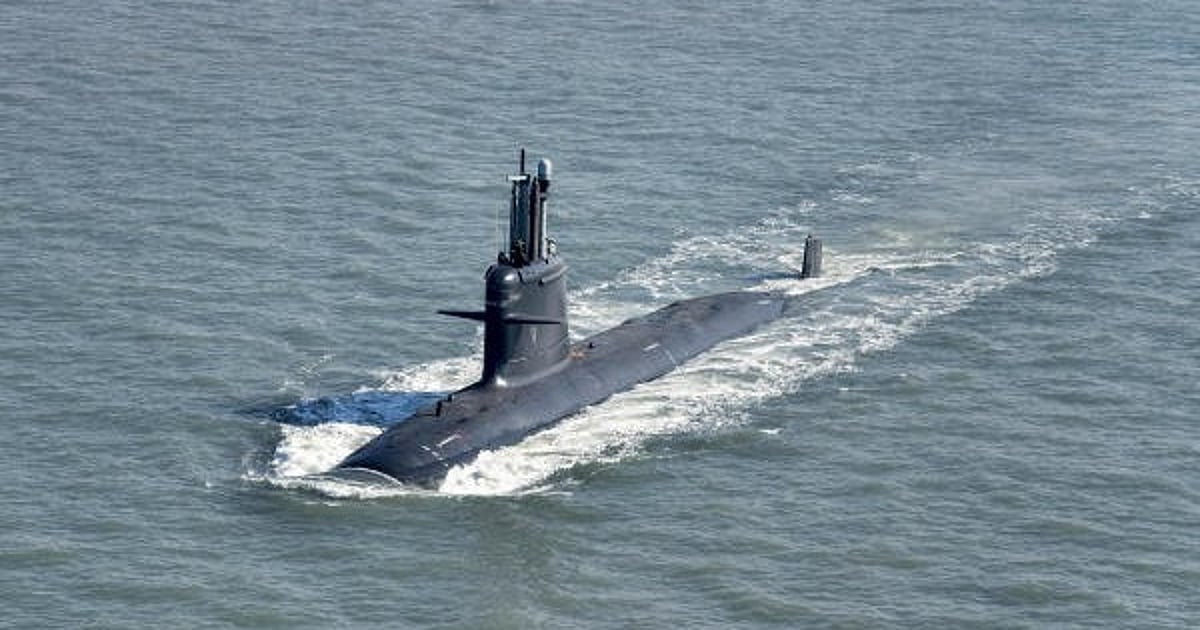
The Scorpene-class submarines, on the other hand, will enhance the Navy's underwater warfare capabilities. These technologically advanced submarines are equipped with sophisticated sonar systems, torpedoes, and anti-ship missiles, providing the Indian Navy with a critical advantage in submarine warfare. Their stealth capabilities allow them to operate undetected in hostile waters, making them ideal for reconnaissance and offensive missions. The addition of three more Scorpene submarines, beyond those already in service, will further strengthen India's underwater combat prowess and enhance its ability to defend its maritime borders. The acquisition of these submarines will allow India to better monitor its expansive coastline and counter potential threats.
Admiral Tripathi's statement regarding the potential finalization of agreements with French authorities by January highlights the urgency and importance attached to this expansion project. The timing suggests a concerted effort to accelerate the acquisition process and ensure the timely integration of these new assets into the Indian Navy's operational structure. The acquisition of the Rafale-M jets and Scorpene submarines is not merely about expanding the size of the fleet, but about modernizing and upgrading the Navy's capabilities to meet emerging challenges in the maritime domain. The Indian Ocean region is becoming increasingly complex, with growing geopolitical competition and the need to secure critical sea lanes. The expanded fleet will enable India to better respond to these challenges and safeguard its national interests.
Beyond the Rafale-M jets and Scorpene submarines, the Indian Navy's 100-warship expansion plan encompasses a broader range of vessels and platforms. This likely includes frigates, destroyers, corvettes, and other support ships, reflecting a comprehensive approach to naval modernization. The plan reflects not only an increase in the number of ships but also an improvement in the quality and technology incorporated into the Indian Navy's fleet. The aim is to create a more balanced and versatile force capable of handling a wider spectrum of maritime operations, from anti-piracy and counter-terrorism efforts to large-scale conflict scenarios. The financial implications of such a large-scale expansion are significant, requiring substantial investment in shipbuilding, maintenance, and personnel training. The Indian government's commitment to this project reflects a clear prioritization of national security and the importance of maintaining a strong naval presence.
The success of this ambitious expansion will depend on several factors, including the timely delivery of the new vessels, the effective training of personnel, and the seamless integration of these assets into the existing naval infrastructure. The geopolitical context also plays a crucial role. The increasing assertiveness of other naval powers in the region necessitates a robust and modernized Indian Navy to protect India's maritime interests. The expansion plan demonstrates India’s growing strategic ambition and its increasing role in maintaining regional stability. The acquisition of cutting-edge technology, such as the Rafale-M jets and Scorpene submarines, signals India's commitment to remaining at the forefront of naval technology, ensuring its fleet remains a formidable force for decades to come. This substantial naval expansion will undoubtedly reshape the regional power dynamics and consolidate India's position as a major maritime power in the Indian Ocean.
Source: Rafale-M jets, Scorpene submarines: Navy's grand plans to add 100 warships to its fleet