
 |
|
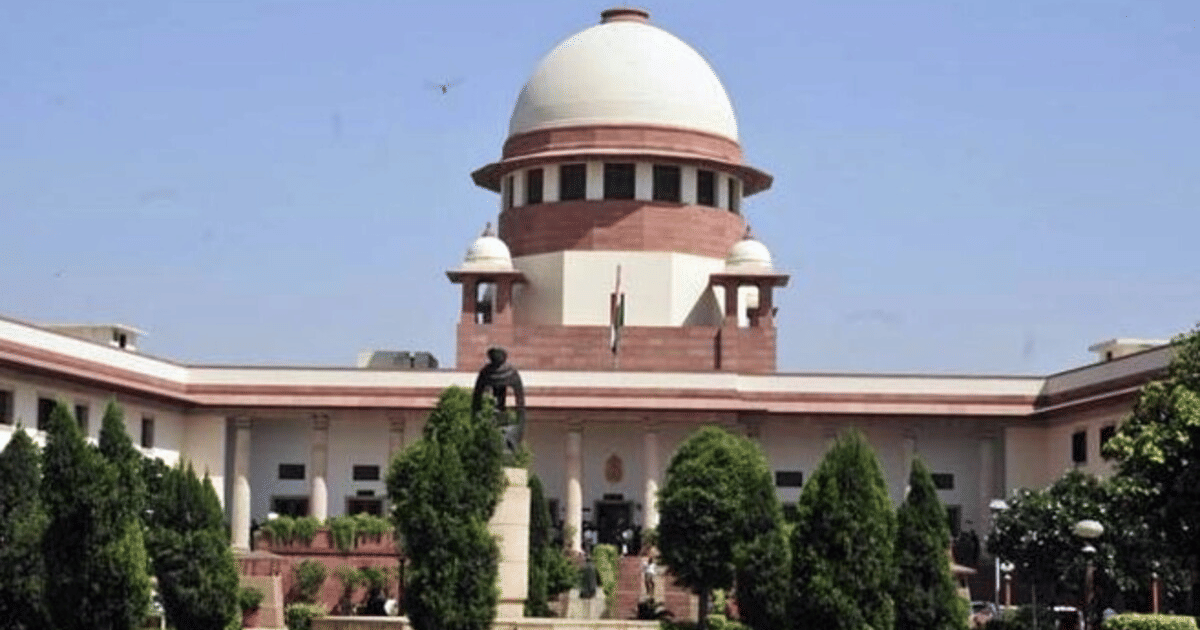
The Supreme Court of India recently addressed a habeas corpus petition concerning the detention of farmer leader Jagjit Singh Dallewal. The petition, alleging illegal detention by Punjab Police, was ultimately dismissed by a bench comprising Justices Surya Kant and Ujjal Bhuyan. The court's decision was based on the fact that Dallewal had already been released from custody and had rejoined the ongoing farmers' protests. While the court did not comment on the legitimacy of the protests themselves, it expressed considerable concern regarding the impact of these protests on the general public and the disruption to essential services. This case highlights a crucial intersection between the fundamental right to protest and the necessity to maintain public order and ensure the smooth functioning of essential services. The dismissal of the habeas corpus petition underscores the court's delicate balancing act in upholding fundamental rights while simultaneously considering the broader societal implications of disruptive actions.
The farmers' protests, particularly those occurring at the Shambhu and Khanauri borders between Punjab and Haryana, have been ongoing since February 2024. These protests represent a continuation of the large-scale demonstrations that began in 2020 in opposition to the then-government's three controversial farm laws. These laws, intended to liberalize regulations on agricultural produce, were widely perceived by many farmers as detrimental to their livelihoods and economic well-being. Although the government eventually repealed these laws in November 2021, the protests have persisted, driven by a broader range of demands. This highlights a deeper issue of farmer dissatisfaction with government policies and the perceived lack of adequate support for the agricultural sector in India. The continuous nature of these protests underscores the enduring concerns of the farmers and the complexities involved in addressing their multifaceted grievances.
The court's statement regarding the inconvenience caused to the public by the protests at the Khanauri border is noteworthy. The border, described as a “lifeline for Punjab,” is a crucial transportation route that plays a vital role in the state’s economy and daily life. The disruption of such crucial infrastructure has far-reaching consequences, affecting not only the movement of goods and people but also essential services. The court's emphasis on peaceful protests that do not disrupt public convenience reflects a balancing act between upholding fundamental rights and maintaining public order. The court's decision does not diminish the importance of the farmers' concerns; rather, it highlights the complexities of navigating the intersection of fundamental rights with the needs of a functioning society. It underscores the need for a constructive dialogue between protesting groups and the government to address the underlying issues while mitigating the disruptive effects on the public.
The ongoing farmers' protests serve as a reminder of the enduring challenges faced by the agricultural sector in India. The demand for a legally guaranteed minimum support price (MSP) for all crops remains a central point of contention. The farmers argue that the government has failed to fulfill its commitment to implementing an MSP that ensures a minimum income level for farmers, regardless of market fluctuations. This issue is compounded by the broader economic anxieties experienced by farmers, who face various challenges such as fluctuating crop prices, indebtedness, and inadequate access to market infrastructure and technology. Addressing these complex concerns requires a multifaceted approach that involves not just legislative measures but also policies aimed at improving farmers' access to credit, technology, and better market linkages. Furthermore, transparent and accountable government policies are crucial to building trust and fostering a climate of cooperation between the government and the farming community.
The case of Jagjit Singh Dallewal serves as a microcosm of the larger issues at play in the ongoing farmers' protests. While the court’s dismissal of the habeas corpus petition focuses on the procedural aspect of his detention, the underlying concerns raised by the farmers persist. The protests continue to be a powerful expression of collective action, reflecting the deeper socio-economic challenges faced by the agricultural sector and the need for a more comprehensive and sustainable solution. The government, civil society, and the judiciary all have roles to play in finding a lasting solution that addresses the grievances of the farmers while ensuring that the rights and freedoms of all citizens are respected and protected. The dialogue needs to move beyond the immediate concerns of specific protests and focus on the long-term systemic issues impacting the agricultural sector in India.