
 |
|
The recent parliamentary events have exposed significant fissures within the INDIA opposition bloc, highlighting the challenges faced by this alliance in maintaining a unified front against the ruling BJP. The absence of key allies, specifically the Trinamool Congress and the Samajwadi Party, from a joint protest organized by the Congress underscores a growing divergence in strategies and priorities. This incident serves as a stark reminder of the delicate balancing act required to sustain a coalition of diverse political parties, each with its own regional base, ideological leanings, and political ambitions. The core issue appears to be a disagreement on the focal points of their parliamentary actions. The Congress, under the leadership of Rahul Gandhi, seems heavily focused on the Adani issue, while other parties advocate for a broader range of concerns, including inflation, unemployment, financial constraints, and the ongoing unrest in Manipur. This strategic clash has manifested itself in visible boycotts of key meetings and protests, raising serious questions about the long-term viability of the INDIA alliance.
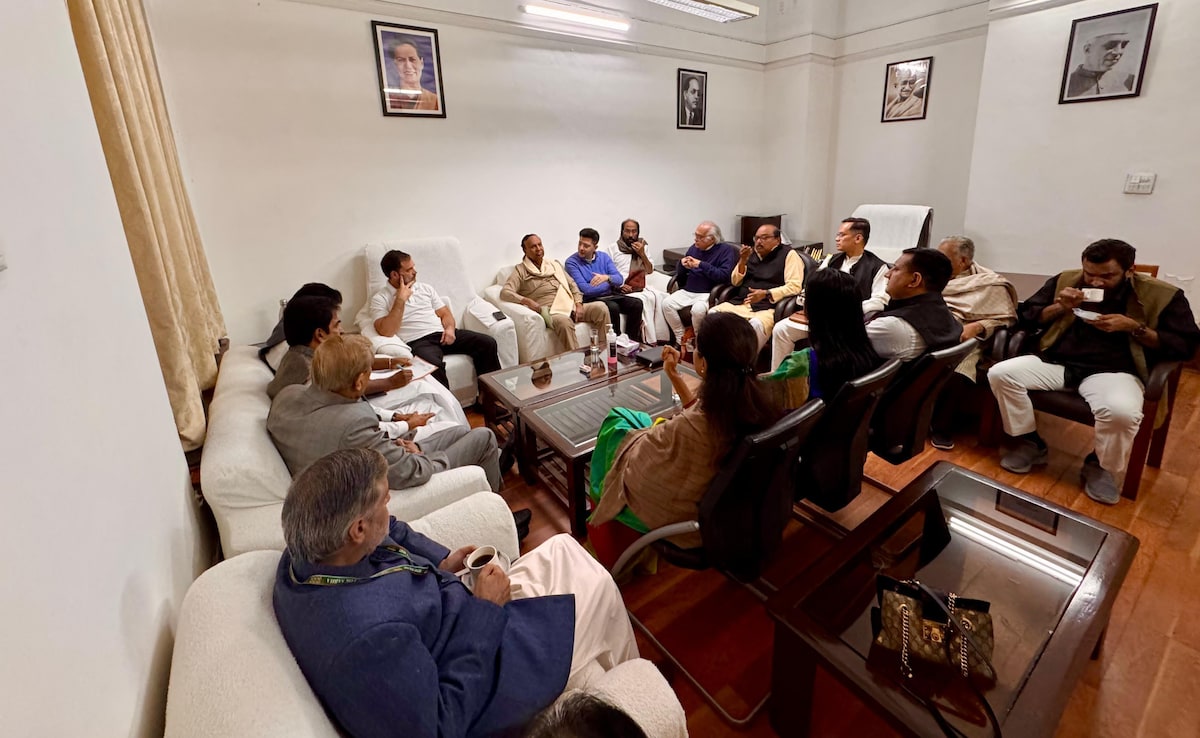
The Trinamool Congress's absence from a crucial INDIA bloc meeting preceding the protest highlights a deep-seated frustration within the party. Sources within the Trinamool Congress indicate a belief that the Congress is overly fixated on the Adani issue, neglecting other pressing national concerns. This perception suggests a lack of inclusivity within the alliance's decision-making process and underscores the need for better communication and consensus-building among the member parties. The party's decision to skip the meeting and subsequent protest isn't merely a tactical maneuver; it reflects a fundamental disagreement about the overall approach to parliamentary opposition. The Trinamool Congress’s desire to address a broader spectrum of issues reflects its commitment to its own regional agenda and its perceived need to prioritize issues of concern to its constituents. This highlights the inherent tension within any coalition: the need to unify against a common opponent while simultaneously addressing the specific concerns of diverse constituencies.
The Samajwadi Party’s decision to abstain from the joint protest further exacerbates the concerns about the fragility of the INDIA alliance. As the third largest party in the Lok Sabha, the Samajwadi Party’s absence carries significant weight and demonstrates a lack of coordinated action within the opposition ranks. This strategic divergence raises questions about the efficacy of the alliance's approach to parliamentary maneuvering and challenges its image as a unified force capable of effectively challenging the BJP. The reasons behind the Samajwadi Party’s decision remain unclear, but it’s likely a reflection of the complex interplay of political considerations, regional interests, and potential internal disagreements within the party itself. This incident once again emphasizes the crucial role of inter-party communication and negotiation in maintaining a cohesive opposition strategy.
The BJP's reaction to the fracturing opposition alliance is unsurprising. Samik Bhattacharya's comments highlight the ruling party's efforts to exploit the divisions within the opposition. By portraying the alliance as disunited and ineffective, the BJP aims to bolster its own position and discredit the opposition's ability to provide a viable alternative. The BJP's strategy of highlighting internal conflicts within the INDIA bloc underscores the significance of the fissures and their potential to undermine the opposition's ability to effectively challenge the ruling party. This strategy underscores the importance of internal cohesion within the opposition for the upcoming elections. Without a united front, the opposition risks being perceived as weak and ineffective, thereby diminishing its chances of success in the upcoming electoral battles.
The events surrounding the parliamentary protests reveal a fundamental challenge facing the INDIA alliance: balancing the needs of diverse political parties with divergent priorities. The focus on the Adani issue by the Congress, while significant, might not resonate equally with all alliance partners. The need for a more inclusive approach that addresses the concerns of each member party is crucial for maintaining a united front. Failure to do so could lead to further fragmentation within the opposition and weaken its ability to effectively challenge the BJP's dominance. This case highlights the inherent difficulties of forging and sustaining a broad-based opposition coalition, especially when dealing with multiple regional parties, each with their own specific agendas and political priorities. Future success for the INDIA bloc depends heavily on its ability to address these internal divisions and develop a collaborative approach to parliamentary action and electoral strategy.
Source: Opposition Divided In Parliament, Samajwadi, Trinamool Skip Protests