
 |
|
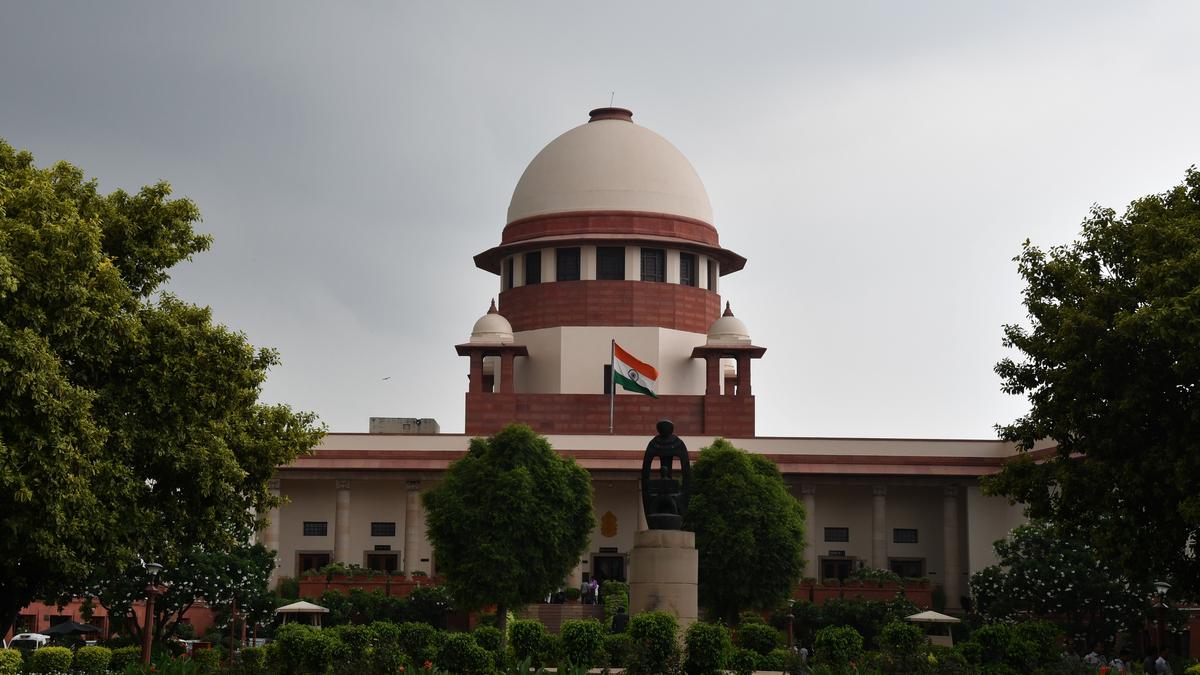
The Supreme Court of India delivered a scathing critique of the Enforcement Directorate's (ED) handling of the arrest of former IAS officer Anil Tuteja, highlighting what it termed 'disturbing' features in the process. The case, linked to an alleged liquor scam in Chhattisgarh, saw Tuteja summoned and arrested in a manner the court found deeply problematic. The court's decision, while ultimately allowing Tuteja to withdraw his plea to quash his arrest and pursue bail through the trial court, underscores serious concerns about the ED's investigative practices and adherence to due process. The judgment serves as a potent reminder of the importance of upholding fundamental rights, even in the context of high-profile investigations involving allegations of corruption.
The timeline of events, as detailed by the Supreme Court, reveals a pattern of what the justices considered undue haste and disregard for established legal procedure. Tuteja, while present at the Anti-Corruption Bureau (ACB) office in Raipur, received a summons to appear before the ED just hours later. This abrupt summons, coupled with an overnight interrogation that culminated in his arrest at 4 a.m., prompted the court's strong condemnation. The justices explicitly noted the 'glaring' nature of these facts, expressing concern about the potential violation of Tuteja's fundamental right to due process under Article 21 of the Indian Constitution. The court’s earlier oral remarks, characterizing the night-long interrogation as ‘unpardonable,’ further emphasize the gravity of its concerns.
The Supreme Court's decision to allow Tuteja to withdraw his plea and seek bail in the trial court is a significant development. While the court acknowledged the ED's subsequent release of a press statement detailing remedial measures, this did not alleviate the court's underlying concerns about the initial procedural irregularities. The prioritization of Tuteja's bail plea by the Special Court, as directed by the Supreme Court, reflects an attempt to mitigate the impact of the ED's actions and ensure a fairer legal process moving forward. This element of the ruling underscores the court's commitment to safeguarding the rights of individuals even when facing serious allegations. The case serves as a crucial precedent, emphasizing the need for investigative agencies to adhere strictly to legal procedure and respect fundamental rights during investigations.
The implications of this case extend beyond the immediate circumstances of Mr. Tuteja's arrest. It raises broader questions about the balance between effective law enforcement and the protection of individual liberties. The Supreme Court’s strong reaction serves as a warning to investigative agencies against employing tactics that could be perceived as undermining due process. The case highlights the ongoing tension between the need to combat corruption effectively and the imperative to uphold the rule of law and protect fundamental rights. Further, it underscores the crucial role of the judiciary in scrutinizing the actions of investigative agencies and ensuring accountability for any transgressions. The court’s emphasis on Article 21 highlights the fundamental importance of the right to a fair trial and the protection of individual liberty.
The ED's actions in this case, while seemingly aimed at swift and decisive action against alleged corruption, inadvertently highlighted potential flaws in their approach. The lack of sufficient time between issuing the summons and the arrest, coupled with the overnight interrogation, raised serious concerns about the fairness and legality of the procedures employed. This case provides a valuable lesson to investigative agencies, emphasizing that efficient investigation should not come at the cost of fundamental rights and due process. The court's intervention sets a vital precedent, reminding authorities of their responsibility to act within the confines of the law, ensuring that the pursuit of justice does not compromise individual liberties. The subsequent remedial measures announced by the ED suggest an attempt at addressing the court’s concerns, but the initial actions remain a matter of considerable judicial scrutiny.
Source: The method of summons, arrest of former IAS officer by ED disturbing: SC