
 |
|
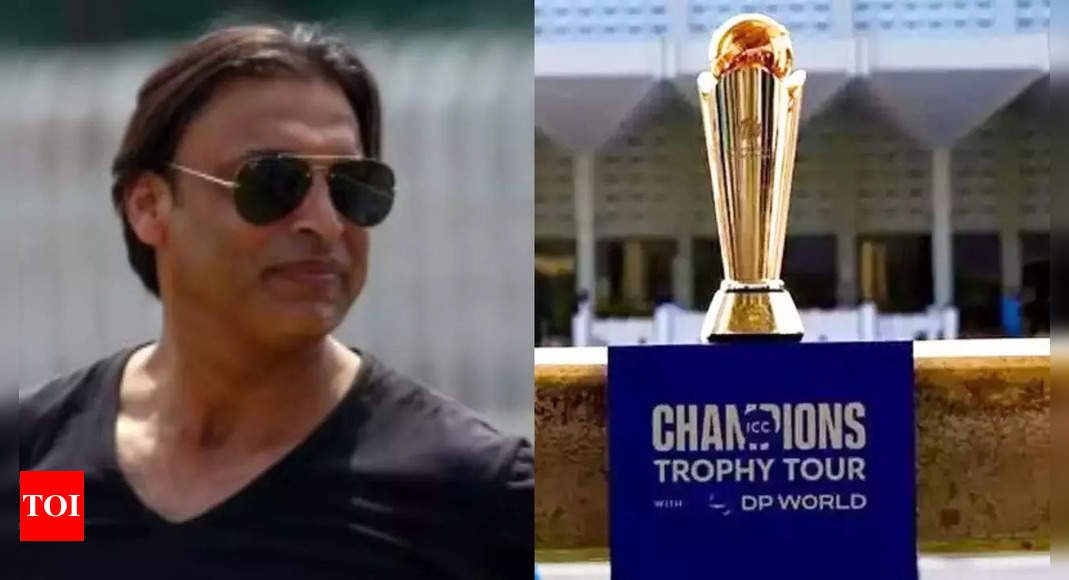
The recent controversy surrounding the hosting of the 2025 ICC Champions Trophy has ignited a heated debate between Pakistan and India, with Shoaib Akhtar, a former Pakistani cricketing legend, adding his voice to the mix. His comments offer a nuanced perspective, acknowledging the validity of Pakistan's position while simultaneously advocating for a more conciliatory approach. Akhtar's statement, "You are getting paid for hosting rights and revenue, and that's fine—we all understand it. Pakistan's stance is also reasonable," reflects a pragmatic understanding of Pakistan's financial interests in hosting the tournament. The demand for a higher revenue share if India refuses to participate is a logical consequence of the financial burden shouldered by Pakistan in this scenario. This reflects a wider concern within the cricketing world regarding equitable revenue distribution among participating nations, especially considering the considerable investment required to host major international events.
However, Akhtar’s call for Pakistan to maintain a positive engagement with India demonstrates a forward-thinking strategy that transcends immediate financial concerns. His assertion that Pakistan should "go to India and defeat them there" highlights a belief in Pakistan's cricketing prowess and the importance of building a stronger cricketing relationship between the two nations. This strategy shifts the focus from merely securing financial benefits to asserting dominance on the field. By playing in India, Pakistan would not only have the opportunity to win matches but also potentially garner more global recognition, enhance its image, and foster greater sporting camaraderie. The underlying message is a call for Pakistan to use the tournament as a platform to showcase their cricketing talent on a global stage, thereby garnering respect and establishing their competitive edge.
The acceptance of a hybrid model, where India’s matches will be held in Dubai, represents a compromise reached between Pakistan and the ICC. This compromise allows Pakistan to retain hosting rights while addressing India’s concerns about security. However, this is not simply a concession; it is a strategic move, as noted by the PCB Chairman Mohsin Naqvi, who rightfully emphasizes the importance of reciprocity and fairness in the future staging of ICC tournaments. The PCB's demand for ‘equal terms for hybrid models in future ICC tournaments held in India’ underscores the need for a balanced approach. The successful implementation of the hybrid model for the Champions Trophy will set a precedent for future negotiations, ensuring equitable opportunities for both teams and promoting a sense of fairness and mutual respect. This suggests a deeper diplomatic strategy where cricketing events are used as tools to foster better relationships.
The overall situation reveals a complex interplay of political, economic, and sporting interests. The debate goes beyond the mere hosting of a cricketing tournament, touching upon the long-standing geopolitical tensions and the importance of sporting diplomacy in improving relations. Akhtar's comments serve as a microcosm of this complex situation, offering both a pragmatic and a visionary approach. The focus on revenue generation is understandable, yet the emphasis on promoting friendly cricketing ties between India and Pakistan underscores the potential for sport to bridge divides and foster better understanding. The success of the hybrid model and the future negotiations will set a crucial precedent for the future of cricket relations between these two rival nations. The long-term impact will extend beyond the immediate financial implications, shaping the trajectory of cricketing relations and potentially paving the way for improved diplomatic relations.
In conclusion, the debate surrounding the Champions Trophy highlights the multifaceted challenges of international sporting events. The financial aspects are undeniably crucial, but the underlying political dynamics cannot be ignored. Shoaib Akhtar's insightful comments provide a balanced perspective, demonstrating an understanding of the financial necessities of hosting while simultaneously emphasizing the potential for sports to strengthen relations between competing nations. The eventual success or failure of this hybrid model will have far-reaching consequences, not only for the future of cricket but also for the relationship between India and Pakistan.
Source: 'Hybrid model pehele hi sign ho gaya tha': Shoaib Akhtar makes startling revelation