
 |
|
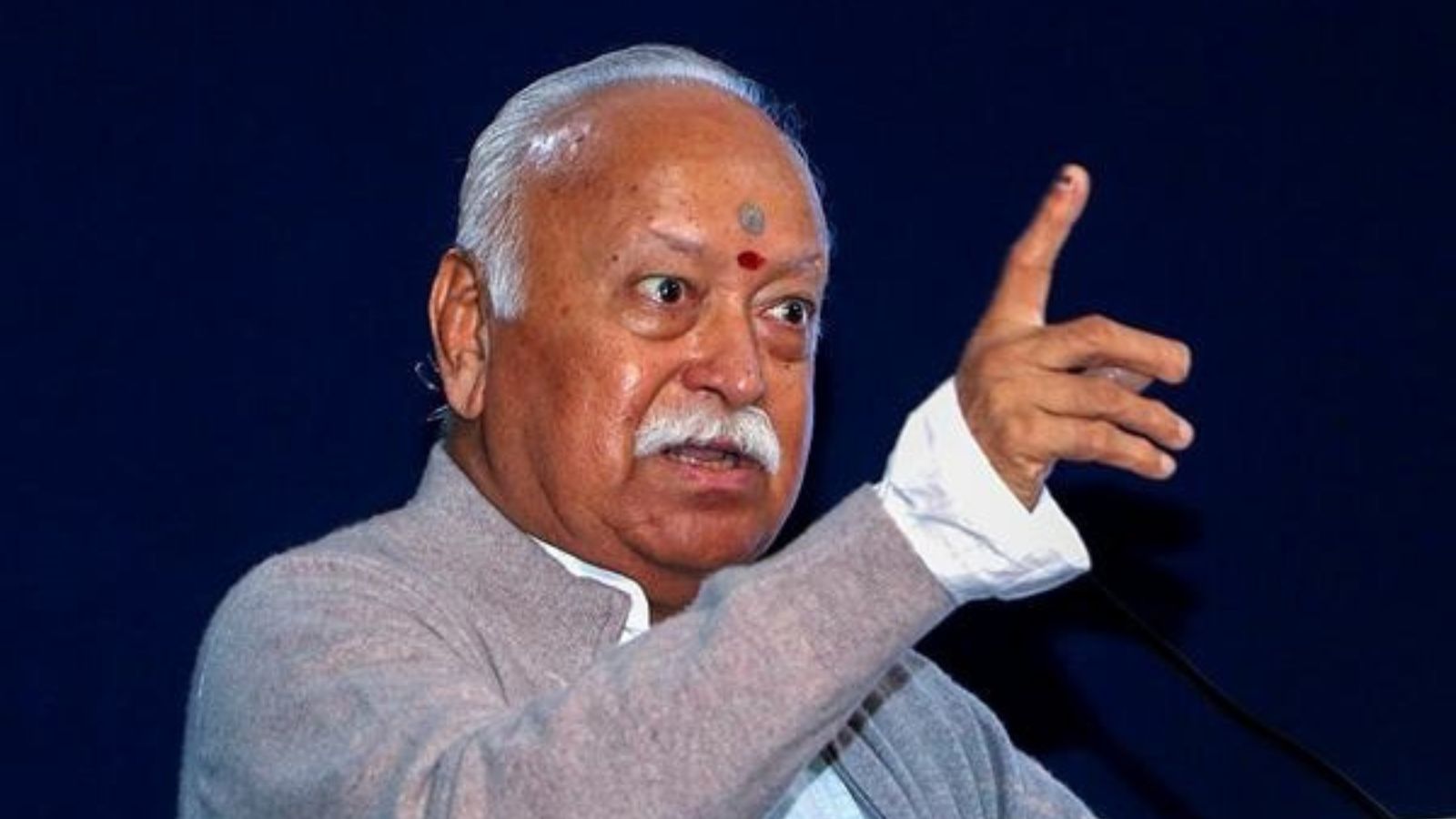
Mohan Bhagwat, the chief of the Rashtriya Swayamsevak Sangh (RSS), a prominent Hindu nationalist organization in India, recently voiced his concerns regarding the country's declining population growth rate. His statement, delivered at a private event in Nagpur, highlights a complex interplay of demographic trends, socio-cultural values, and political ideologies within India. Bhagwat's assertion that a population growth rate below 2.1 is detrimental to society, echoing established population science, has sparked debate and underscores the significance of this issue within the Indian context. The statement's implications extend beyond mere demographic analysis, touching upon deeply ingrained cultural beliefs and national identity.
Bhagwat's concern centers around the idea that a shrinking population could lead to the erosion of traditional Indian values and societal structures. He frames the family as the fundamental unit of society, responsible for transmitting cultural heritage and values across generations. This perspective aligns with the RSS's broader ideology, which emphasizes the preservation of Hindu culture and traditions. The emphasis on the family unit and the transmission of values across generations underscores the concern that a declining birth rate may lead to a weakening of these societal foundations. This concern also reflects anxieties regarding the potential influence of globalizing forces and changing societal norms that might challenge traditional family structures and cultural practices. The RSS's focus on this aspect is crucial to understanding their position on the issue, as it highlights their commitment to safeguarding a particular vision of Indian identity and culture.
The call for Indians to rise above caste and communal divisions is a notable aspect of Bhagwat's statement. While expressing concern about population decline, he simultaneously emphasizes the importance of social cohesion and unity. This apparent paradox reveals the complexities of the RSS's approach, which seeks to balance its traditional emphasis on Hindu identity with a broader appeal for national unity. This is a significant aspect given the diverse population of India and the ongoing tensions and divisions along religious and caste lines. By promoting a sense of interconnectedness and shared values, the RSS aims to counter any divisive forces that might exacerbate the challenges posed by a declining birth rate. However, critics might argue that the emphasis on unity obscures underlying social inequalities and power dynamics that may also contribute to demographic trends.
The comparison between Indian culture, characterized by interconnectedness and collective responsibility, and other cultures emphasizing individualism is a key element of Bhagwat's argument. He highlights the traditional Indian value of collective responsibility, exemplified by the practice of sharing food and resources with those in need. This contrasting portrayal aims to position Indian culture as uniquely resilient and emphasizes the importance of preserving these values in the face of demographic change. However, this portrayal might be seen as an idealized representation of Indian society, overlooking the complexities of caste systems, class inequalities, and regional variations in cultural practices. Furthermore, this argument raises questions about the adaptability of these values in a rapidly changing and globalized world.
The RSS's statement on population decline triggers a broader discussion about India's demographic future and the role of cultural values in shaping national identity. It highlights the interplay between demographic trends, societal values, and political ideologies, underscoring the significant challenges and complexities facing India. Understanding the RSS's perspective requires examining its historical context, its ideological underpinnings, and the socio-political landscape of India. This complex interplay of factors necessitates a nuanced analysis, going beyond simplistic interpretations of the statement and exploring the multiple dimensions of this pressing demographic issue within the wider context of Indian society and politics. Furthermore, the statement invites further discussion on policies related to family planning, economic empowerment, and social inclusion, as these factors also significantly influence demographic trends.