
 |
|
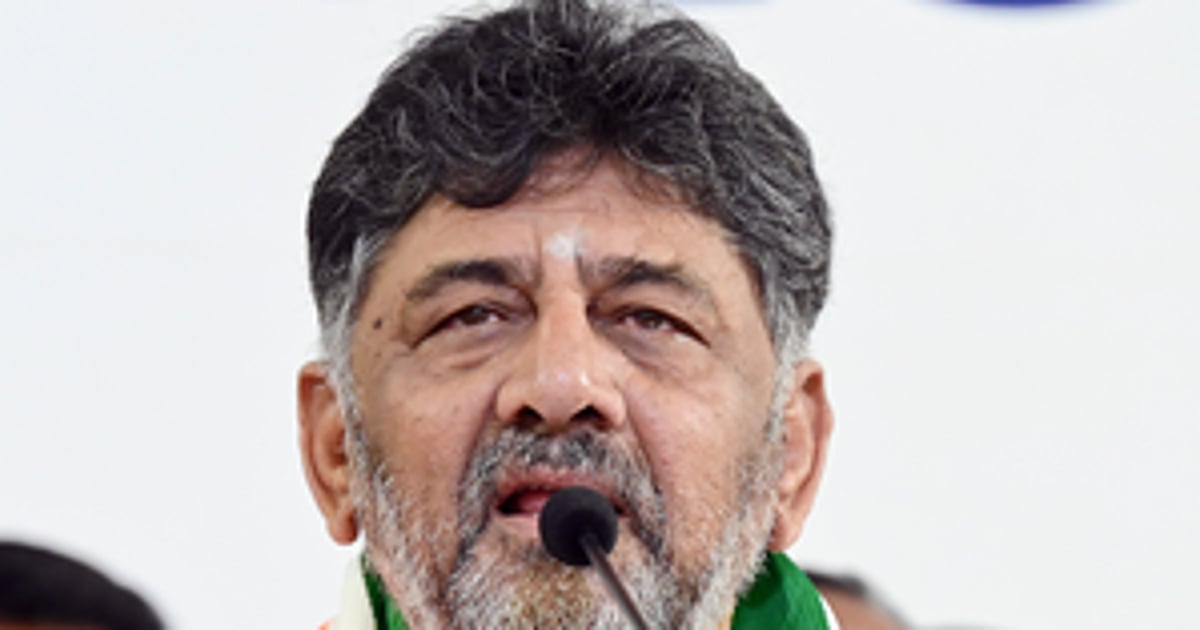
The political landscape of Karnataka is currently embroiled in a heated controversy sparked by derogatory remarks allegedly made by BJP MLC C.T. Ravi against Minister Laxmi Hebbalkar. This incident has ignited a fierce debate, pitting the ruling Congress party against the opposition BJP, highlighting the complexities of political discourse and the sensitive issue of gender respect within the Indian political arena. Deputy Chief Minister D.K. Shivakumar's assertion that 'conscience itself will deliver justice' encapsulates the moral dimension of the conflict, suggesting a belief in the eventual accountability of those who engage in such behavior. However, this statement also reflects a broader political strategy, suggesting that the Congress party may prioritize the public court of opinion over immediate legal recourse. The incident underscores the deep-seated tensions and ideological differences between the two major parties in Karnataka, revealing a larger struggle over power and the public perception of each party's values.
The arrest of C.T. Ravi following allegations of making derogatory remarks has raised critical questions about the boundaries of political speech and the implications of such behavior. While the BJP defends Ravi and questions the manner of his arrest, claiming police harassment, the Congress party firmly condemns the remarks, arguing that they constitute unacceptable behavior unbefitting a public figure. This stark contrast in viewpoints highlights the deep partisan divide within Karnataka's political spectrum and reflects the sensitivity surrounding issues of gender and respect in public discourse. The fact that the incident involves a prominent member of the opposition party further escalates the situation, creating a potentially significant challenge to the ruling coalition's authority. The differing narratives surrounding the arrest - police actions versus allegations of harassment - underscore the complex legal and political layers involved in this case.
Home Minister G. Parameshwara's cautious response, highlighting the sub-judice nature of the matter, emphasizes the importance of the judicial process in resolving this conflict. His refusal to comment on the specifics of the case reveals an effort to maintain a degree of neutrality, or at least to avoid escalating the political tensions. This approach contrasts with the more direct and assertive statements made by D.K. Shivakumar, suggesting a difference in political strategy between the two prominent Congress leaders. The differing approaches also reflect the pressures placed on political figures, the need to balance political advantage with the legal considerations involved, and the awareness of the potential implications of public statements on an ongoing legal matter. The involvement of the Legislative Council Chairperson, Basavaraj Horatti, further complicates the narrative, suggesting potential discrepancies in record-keeping and conflicting accounts of the events in question. This raises broader concerns about the integrity of official records and the potential for political influence on such matters.
The broader implications of this incident extend beyond the specific actors involved. The incident serves as a case study for examining the challenges of maintaining respectful political discourse in a highly polarized environment. It raises concerns about the potential for abuse of power and the importance of holding public figures accountable for their words and actions. Furthermore, it highlights the role of the media and public opinion in shaping the narrative and influencing the political dynamics within the state. The case also prompts a wider discussion about gender equality and respect for women in Indian politics and society. The use of derogatory terms like 'Nitya Sumangali' points to a deeper cultural issue requiring both legal and social solutions. This incident therefore calls for a thorough examination of the legal aspects involved, but also a broader societal reflection on gender sensitivity and the values that should govern public discourse.
Ultimately, the resolution of this controversy will depend on the legal processes underway. However, the political ramifications of the incident will likely linger for some time. The ongoing conflict serves as a potent reminder of the challenges faced by India's political system in balancing robust debate with the imperative of maintaining respectful interactions among its representatives. The case also underlines the need for continued efforts to foster a more inclusive and equitable political environment where gender-based insults and derogatory remarks are not tolerated. The public response and political fallout from this incident have significant implications not only for the individuals involved, but for the future trajectory of political discourse within Karnataka and potentially across the nation. The incident highlights the necessity for robust mechanisms to hold public figures accountable while preserving the rights to free speech within responsible limits.
Source: Conscience itself will deliver justice: Shivakumar on obscene remark row