
 |
|
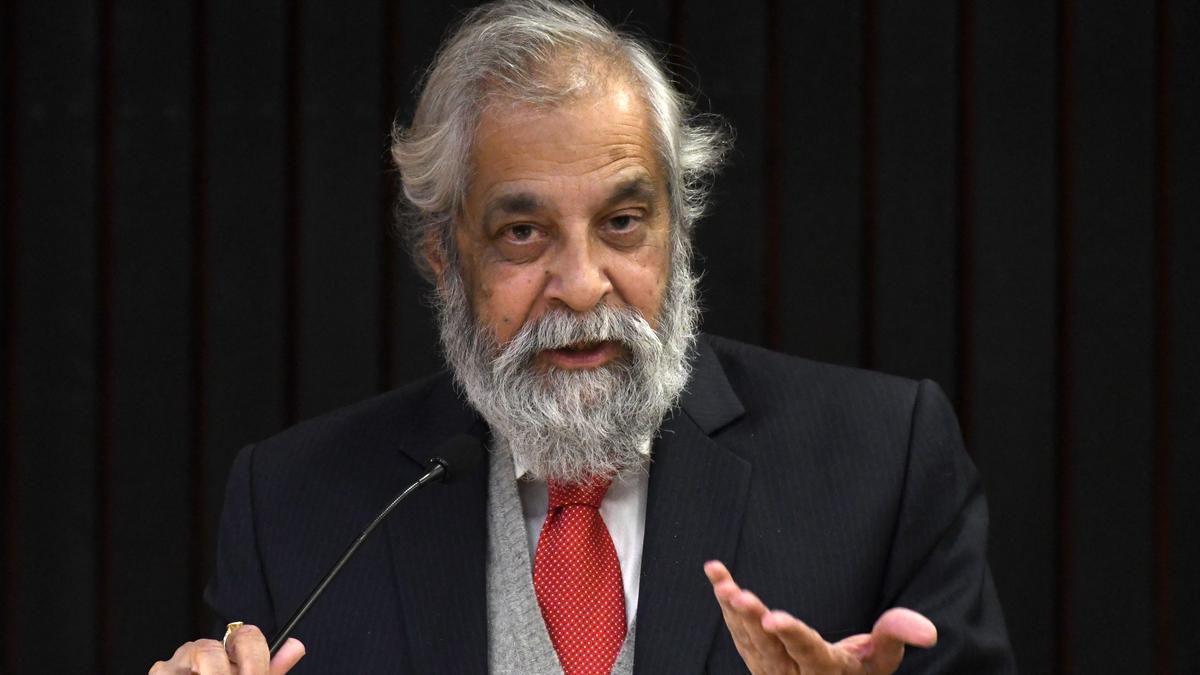
The appointment of Justice Madan B. Lokur as the chairperson of the United Nations Internal Justice Council marks a significant development in international jurisprudence. His extensive experience as a judge in the Supreme Court of India, coupled with his subsequent role as a non-resident judge in the Supreme Court of Fiji, uniquely positions him to lead this crucial body. The Internal Justice Council plays a vital role in overseeing the UN's internal justice system, ensuring accountability and fairness within the organization. Justice Lokur's appointment reflects the UN's commitment to upholding the highest standards of justice and transparency within its own operations. His tenure, spanning until November 12, 2028, provides a substantial period to implement reforms and enhance the effectiveness of the council.
The selection process for the chairperson and members of the Internal Justice Council is undoubtedly rigorous, prioritizing individuals with impeccable credentials and a demonstrated commitment to justice. Justice Lokur's distinguished career, characterized by his contributions to landmark cases and his unwavering dedication to upholding the rule of law, makes him a fitting choice. His experience in navigating complex legal issues within a diverse and often politically charged environment will be invaluable in addressing the challenges faced by the council. The composition of the council, including representatives from various regions and backgrounds, underscores the importance of diversity and global perspectives in ensuring a fair and impartial system of internal justice.
Justice Lokur's appointment transcends its immediate impact on the UN's internal justice system; it holds broader implications for international law and the pursuit of justice globally. His leadership could serve as a model for other international organizations seeking to improve their internal mechanisms for accountability and dispute resolution. Furthermore, his experience as a judge in two different national jurisdictions – India and Fiji – demonstrates the growing importance of cross-cultural understanding and collaboration in the field of law. His presence at the helm of the UN Internal Justice Council is likely to inspire greater confidence in the UN's commitment to fairness and transparency, and it may also encourage other nations to adopt similar measures to strengthen their own internal justice systems. The long-term impact of his appointment will undoubtedly be shaped by his ability to work collaboratively with the other council members to address existing challenges and implement innovative solutions.
The council's responsibilities include reviewing decisions made by UN administrative tribunals, ensuring procedural fairness, and contributing to the overall improvement of the UN's internal justice system. These responsibilities are critical given the UN's vast operations and its role in global affairs. A robust and impartial internal justice system is essential to maintain the organization's credibility and accountability to its member states and staff. Justice Lokur’s appointment signals a commitment to strengthening this system and creating an environment where justice is not only served but also seen to be served. This is particularly important in light of the increasing scrutiny faced by international organizations and the ongoing need for transparency and ethical conduct within their operations.
Looking ahead, Justice Lokur's leadership will be instrumental in shaping the future of the UN's internal justice system. His legacy will be defined by his success in fostering a culture of accountability, ensuring fair and efficient processes, and strengthening the council’s role in upholding the principles of justice within the UN. His appointment stands as a testament to the importance of appointing individuals of the highest caliber to positions of influence within international institutions. The impact of his work will be felt not only within the UN, but also through the broader implications for the development of international justice systems around the world. His experience will undoubtedly inform his leadership, ensuring a more effective and equitable system for resolving disputes within the UN framework.
Source: Former SC judge Justice Madan Lokur appointed chairperson of U.N. Internal Justice Council