
 |
|
Priyanka Gandhi Vadra, the newly elected MP for Wayanad, has launched a scathing critique of the BJP-led central government, accusing it of neglecting the needs of the people and favoring a select few. Her criticism stems from the government's perceived inadequate response to the devastating landslides that ravaged Wayanad. The event serves as a powerful illustration of the political fault lines that run deep within Indian society, highlighting the ongoing struggle between those advocating for the rights of the common citizen and those perceived as prioritizing the interests of wealthy businessmen. This is not merely a regional issue; it reflects a national debate about equitable resource allocation and the role of government in times of crisis. The scale of the tragedy, compounded by what Gandhi perceives as political maneuvering, has fueled her determination to advocate for her constituents.
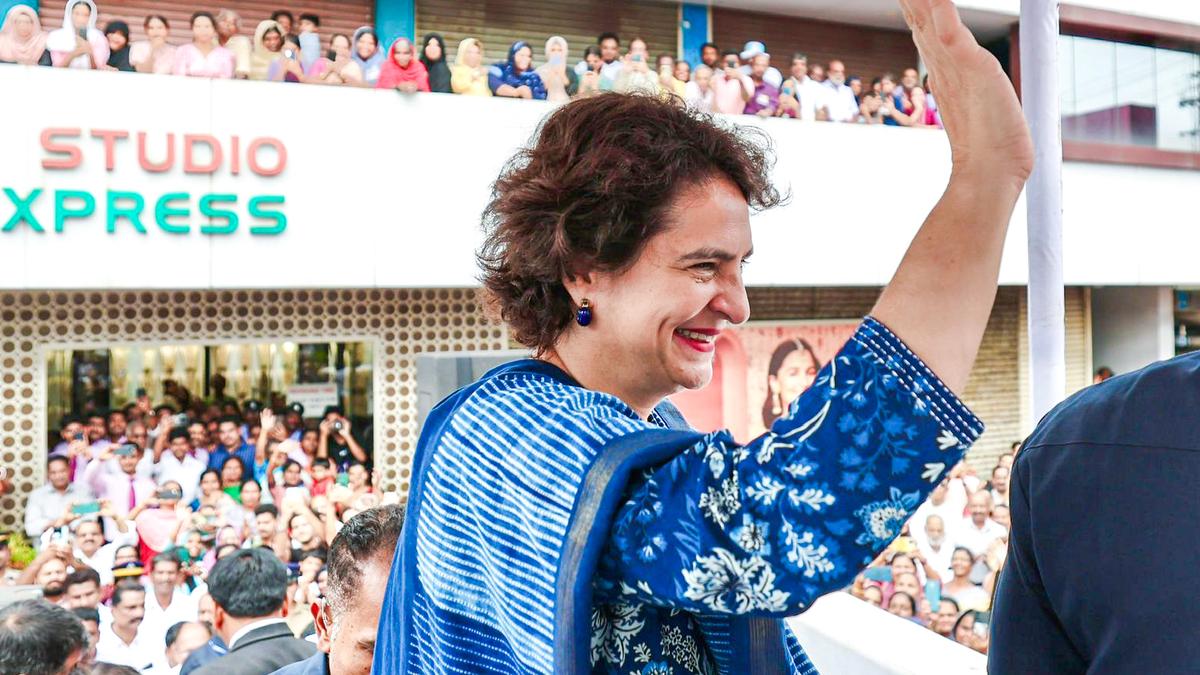
Gandhi's visit to Wayanad was marked by public receptions, offering her an opportunity to connect directly with the affected communities. Her firsthand accounts paint a vivid picture of the suffering endured by the victims. The destruction of homes, families, and livelihoods highlights the profound human cost of natural disasters. However, Gandhi's narrative also underscores a positive aspect: the resilience and unity displayed by the community in their response to the crisis. She highlights the absence of religious or caste divisions, emphasizing the spirit of collective support and mutual aid. This depiction contrasts sharply with her characterization of the central government's response, which she portrays as politically motivated and lacking in genuine empathy.
The accusation of political manipulation by the central government is a central theme of Gandhi's critique. She points to the delayed and insufficient aid provided to Himachal Pradesh, a state governed by the Congress party, as evidence of a deliberate bias. This allegation suggests a larger pattern of inequitable resource distribution based on political affiliation rather than need. The comparison between the two affected states strengthens her argument, emphasizing the inconsistency and alleged hypocrisy of the central government's approach. The delay in providing aid, regardless of state government affiliation, is portrayed as a moral failure and a violation of the duty of care owed to all citizens regardless of political allegiances.
Gandhi's commitment to the people of Wayanad extends beyond immediate relief efforts. Her pledge to fight for their future reflects a long-term strategy of advocacy and representation. This commitment underscores her role as an elected official, highlighting her responsibility to address the underlying systemic issues that contribute to vulnerability in the face of natural disasters. This also includes advocating for long-term solutions to prevent future catastrophes and ensure the long-term resilience of the community. Her willingness to establish a physical presence in Wayanad further demonstrates her dedication to this commitment.
The question of her residency in Wayanad highlights the practical challenges of representing a constituency geographically distant from her primary base. While she acknowledges the logistical implications, her promise to find a suitable residence suggests her resolve to maintain a strong presence in the region. The interaction with injured Youth Congress workers further emphasizes the personal level of engagement she seeks to maintain, transcending the role of a mere elected official and fostering a closer, more empathetic relationship with her constituents. The broader implication is that her presence and engagement aim to move beyond mere political representation into actively participating in community building and advocating for long-term systemic change.
Source: Priyanka slams Centre, pledges support to Wayanad residents