
 |
|
The recent protests by Bihar Public Service Commission (BPSC) aspirants have garnered significant attention, particularly due to the involvement of prominent educators Faizal Khan, popularly known as Khan Sir, and Motiur Rahman, also known as Guru Rahman. These educators, known for their significant online presence and influence on students preparing for competitive examinations, joined the demonstrations against the implementation of 'normalization' in the BPSC exam marking process. The protests centered around concerns regarding the fairness and accuracy of the normalization methodology, with aspirants arguing that it unfairly altered their scores and potentially impacted their chances of securing coveted government positions. The normalization method, a statistical technique used in some examinations to adjust scores across different exam shifts, aims to account for variations in question difficulty between shifts. However, critics argue that such methods can be flawed and lead to inaccurate representations of candidates' abilities, especially when the underlying assumptions of the normalization process are not met. The protests highlight a broader issue within the Indian competitive examination system, where the fairness and transparency of the marking process is often a subject of intense debate and scrutiny. This underscores the importance of robust and transparent assessment mechanisms in educational evaluation, critical for ensuring equal opportunities and maintaining public trust in the integrity of the system. The case raises questions about the role of prominent figures in educational settings when advocating for their students, particularly when it involves engaging in protests and demonstrations.
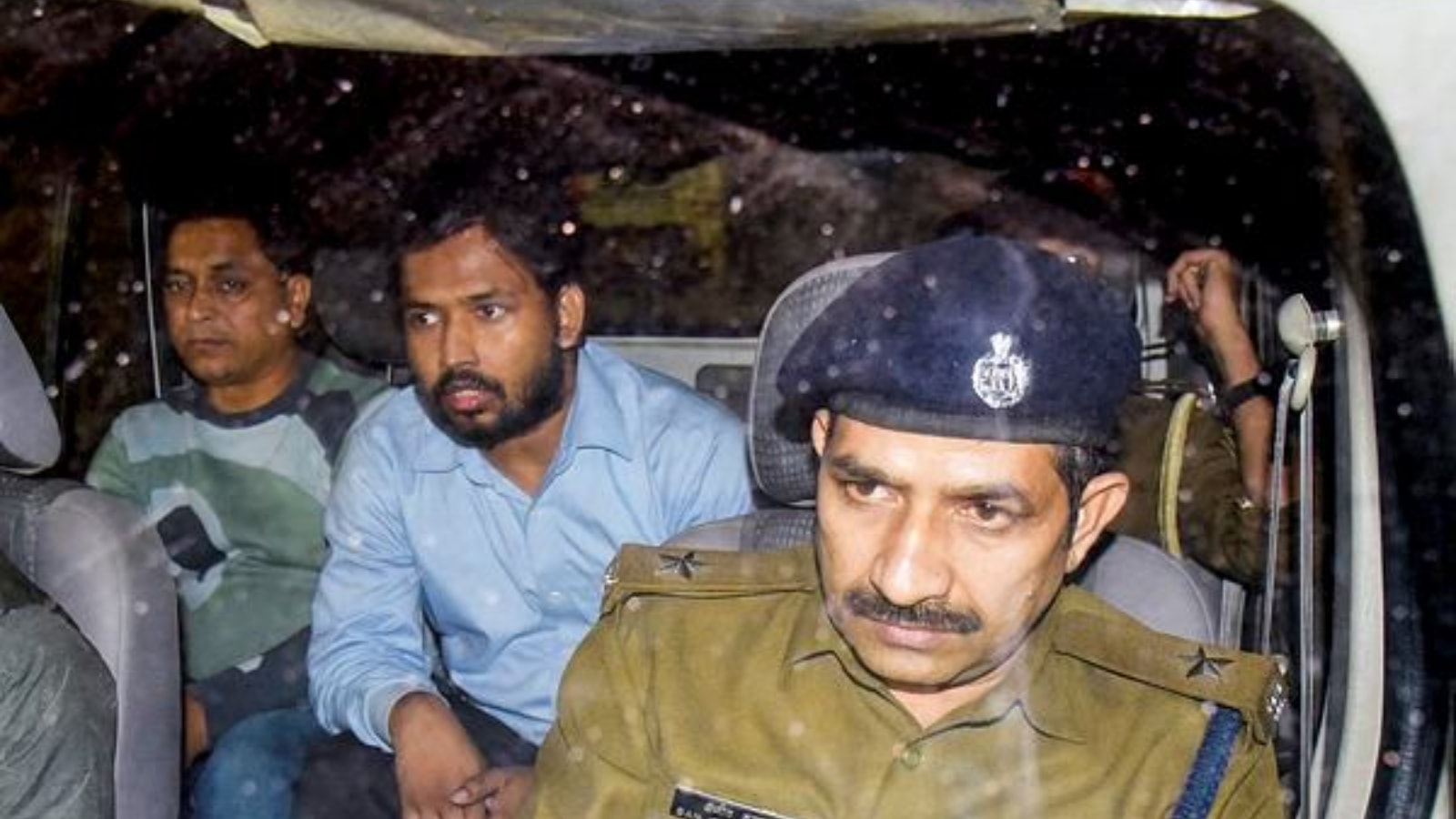
The involvement of Khan Sir and Guru Rahman brought the protests into the national spotlight, significantly amplifying the aspirants' concerns. Their participation undoubtedly raised the profile of the issue, generating widespread media coverage and social media attention. Their considerable influence on a large student base served as a powerful catalyst, bringing both public awareness and added pressure on the authorities to address the concerns regarding the normalization process. The subsequent denial by the Patna Police regarding the detention or arrest of these educators, while seemingly resolving the immediate situation, highlights the complexities surrounding the relationship between public protests, educational advocacy, and law enforcement. The police’s statement emphasizes that neither educator was formally detained or arrested, but this does not entirely address the concerns about potential intimidation or interference with the exercise of their right to participate in peaceful protests. Understanding the nuances of this interaction requires careful consideration of the legal framework governing protests, the role of influencers in social movements, and the overarching need to maintain transparency and accountability in public examination processes. The incident also sheds light on the power of social media and online education in influencing public discourse and shaping policy debates.
The controversy surrounding the normalization methodology in the BPSC exam emphasizes the need for greater transparency and accountability in the process. The concerns raised by the protesting aspirants regarding the fairness and accuracy of the normalization technique highlight the importance of rigorous evaluations and validation of these statistical methods before implementation. Experts within the field of psychometrics and educational assessment need to play a crucial role in ensuring that the methods used are appropriate and indeed achieve their intended goal of standardizing scores fairly across different shifts. Furthermore, the case raises significant questions about the broader context of merit-based selection within government services. The debate extends beyond the specific concerns about the BPSC exam and touches upon systemic issues related to recruitment processes, equity, and access to opportunities. Policymakers must engage in a critical review of these processes to ensure that meritocratic principles are not compromised by flawed assessment methods. Greater public engagement and transparency in the formulation and implementation of examination policies are crucial to maintain trust in the system and ensure fair and equitable opportunities for all aspirants. The event serves as a reminder that effective educational policymaking requires input from multiple stakeholders, including educators, students, experts, and policymakers, to ensure its effectiveness, fairness, and overall legitimacy.
The incident underscores the vital role of educators in shaping public discourse and advocating for their students’ rights. While the Patna Police’s denial of detention seemingly concludes the immediate controversy, the underlying issues regarding exam fairness and the right to protest remain. The event serves as a case study for analyzing the complexities of educational advocacy, the dynamics of social movements, and the delicate balance between maintaining public order and safeguarding individual freedoms. Further investigation into the specifics of the protests and the interactions between the protesters and the police is warranted to ensure a complete understanding of the events. This includes examining the legitimacy of the concerns raised by the protesting aspirants, evaluating the fairness and accuracy of the normalization methodology used, and assessing the appropriateness of the police response. Ultimately, such analyses can inform policy reforms aimed at strengthening the transparency and fairness of competitive examination systems in India and ensuring that all aspirants have an equal opportunity to succeed. The long-term implications of this event will likely shape discussions around education reform, protest rights, and the use of statistical methods in educational assessment. The sustained pressure from various stakeholders, including educators and students, is essential to drive meaningful changes and improve the credibility of these examinations.