
 |
|
The Indian Parliament, often a stage for robust debate and political maneuvering, recently experienced a week-long impasse, highlighting the deep divisions and contrasting priorities of the ruling government and opposition parties. This standstill, marked by repeated adjournments, threatened to significantly disrupt the legislative agenda and fueled concerns about the efficacy of the parliamentary process. The core issue underlying the impasse, while multifaceted, ultimately revolved around the need for a productive discussion regarding the Constitution of India, marking its 75th anniversary. The opposition's demands for a thorough and unhindered debate clashed with the government's perceived need to control the narrative and manage the timeline of discussions. This power struggle played out in the Lok Sabha and Rajya Sabha, leading to repeated disruptions and ultimately, a week of stalled legislative work. The economic implications of such disruptions cannot be understated; delayed bills and stalled policy initiatives can have far-reaching consequences for the Indian economy and its citizens.
The breakthrough came on Monday, with an agreement reached between the government and the opposition parties. This agreement paved the way for a scheduled discussion on the Constitution, a crucial step towards resolving the impasse and restarting parliamentary proceedings. The agreement itself speaks volumes about the intricate negotiations and compromises that likely took place behind the scenes. The precise details of the agreement may remain opaque, but the fact that a solution was found suggests a willingness on both sides to find common ground, at least temporarily. This highlights the delicate balance of power within the Indian political system and the constant need for negotiation and compromise to maintain the functioning of the legislative process. The success of this agreement will depend heavily on the tone and tenor of the upcoming discussions, requiring a commitment from all parties to engage in respectful and productive debate.
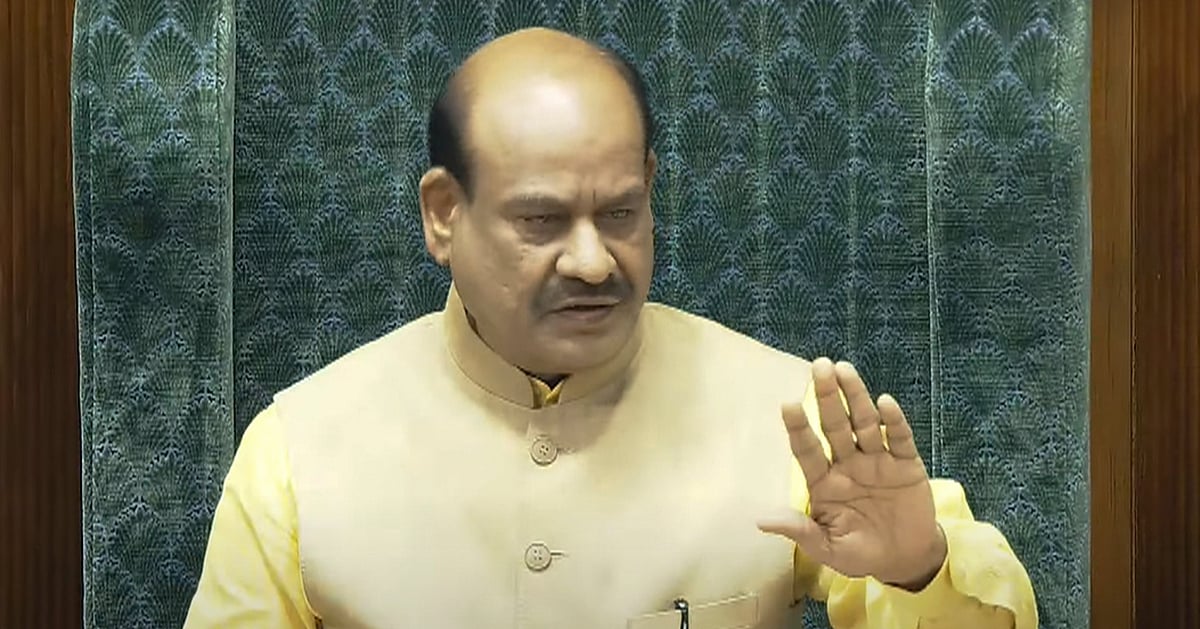
However, the fragile nature of the agreement is underscored by Lok Sabha Speaker Om Birla's statement regarding the possibility of convening the House on a Sunday. This statement signals a clear warning that if the pattern of adjournments and disruptions continues, the Speaker is prepared to take unprecedented steps to ensure the functioning of the Parliament. This underscores the seriousness of the situation and the Speaker's determination to prevent any further stalling of legislative business. The threat of a Sunday session suggests that the government and the Speaker are not willing to tolerate further disruptions. This raises questions about the long-term stability of the political climate and the potential for future impasses. The threat of Sunday sittings serves as a powerful deterrent, but it also reflects a worrying trend of increasing political polarization and the erosion of the traditional norms of parliamentary decorum.
The events surrounding this parliamentary impasse provide a valuable insight into the dynamics of Indian politics. They highlight the challenges of navigating the complexities of a multi-party system and the constant tension between the ruling party's agenda and the opposition's scrutiny. The agreement offers a temporary respite, but the underlying issues that led to the deadlock remain. The long-term effectiveness of the Indian Parliament relies on all parties' commitment to constructive engagement, respectful dialogue, and a shared belief in the importance of the legislative process. The success of the upcoming discussions on the Constitution will be a crucial test of this commitment. The shadow of potential future impasses remains, but for now, the agreement represents a small victory in a larger ongoing battle for legislative productivity and political stability. The success in achieving this temporary resolution rests heavily on the willingness of all stakeholders to prioritize national interest above partisan politics.
The potential for future conflicts remains a significant concern. The underlying causes of the impasse, including differing political ideologies, strategies, and priorities, haven't been fully addressed. The current agreement might merely be a temporary bandage on a deeper wound. Further analysis is needed to understand the root causes of the conflict and find sustainable solutions to prevent similar impasses in the future. This requires introspection from both the ruling party and the opposition, fostering a culture of mutual respect and understanding. It also necessitates a review of parliamentary procedures and rules, ensuring efficient functioning while allowing ample space for robust debate and scrutiny. The ultimate goal should be to create an environment where the parliamentary process fosters meaningful discourse and constructive lawmaking, rather than becoming a battleground for political point-scoring.
Source: If adjournments continue, House will be convened on Sunday as well: LS Speaker Om Birla