
 |
|
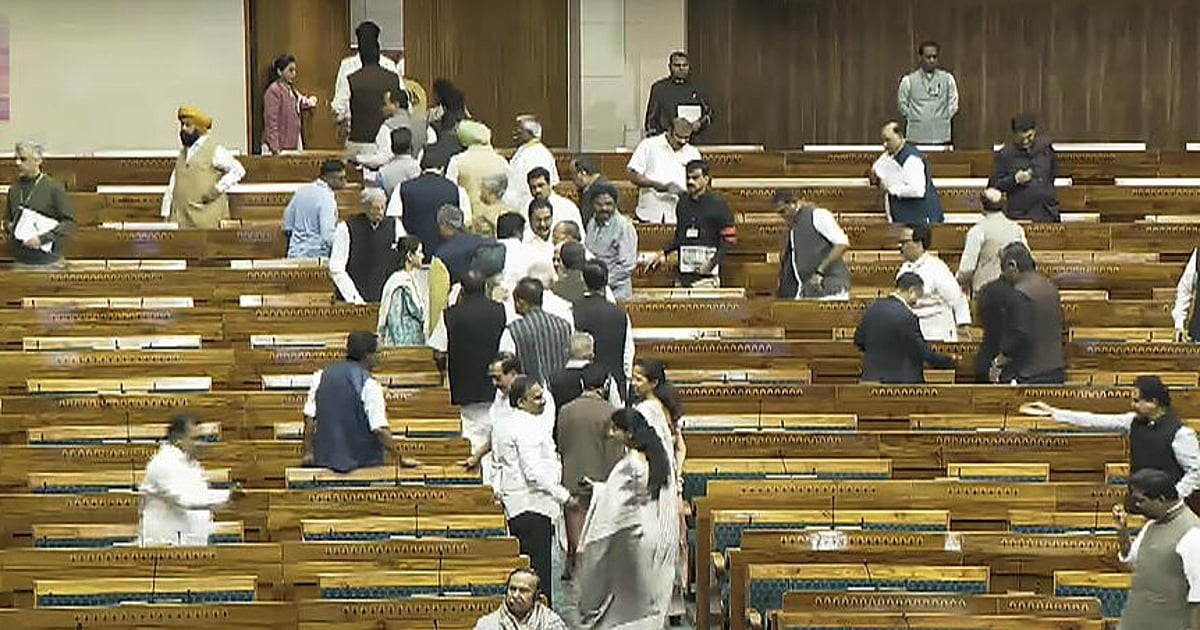
The recent violence in Sambhal, a district in Uttar Pradesh, India, has sparked a significant political reaction within the Lok Sabha, the lower house of the Indian Parliament. The incident, the specifics of which require further elaboration to provide context, triggered a brief but impactful walkout by members of the opposition. This action highlights the serious concerns surrounding the event and the opposition's dissatisfaction with the government's handling of the situation, or perceived lack thereof. The walkout serves as a powerful symbol of political disagreement and underscores the need for a thorough investigation and decisive action to address the root causes of the violence and prevent future occurrences.
The sequence of events leading to the walkout began with the opposition members attempting to raise the issue of Sambhal violence during a parliamentary session. Their efforts, however, were initially met with a suggestion from the Speaker to defer discussion to the Zero Hour, a designated time slot for raising matters of urgent public importance. This suggestion, intended to maintain order and parliamentary decorum, was perceived by the opposition as an attempt to downplay or ignore their concerns. The opposition's interpretation of the Speaker's decision – whether justified or not – played a crucial role in escalating the situation and ultimately leading to their protest.
The decision by the opposition to stage a walkout, even if brief, carries considerable weight in the Indian political landscape. Such actions are not taken lightly and are often strategically employed to express strong disapproval of government policies or actions, to draw public attention to critical issues, and to apply pressure for swift action. In this case, the walkout signaled the opposition's deep concern regarding the violence in Sambhal and their belief that the government's response was inadequate. The fact that some members moved beyond the organized walkout to raise slogans in the Well of the House further illustrates the intensity of their feelings and their determination to ensure the issue receives the attention it deserves.
The incident raises broader questions regarding the role of the opposition in parliamentary proceedings and the balance between maintaining order and allowing for the expression of dissenting views. The Speaker's decision to suggest deferring the discussion, while seemingly procedural, can be interpreted as a way to control the parliamentary agenda and manage the flow of debates. However, this can also be seen as a way to potentially suppress or downplay important issues that the government would rather not address immediately. The opposition’s response, a strategic use of parliamentary procedure to emphasize the importance of this issue, highlights the constant tension between the need for order and the necessity of addressing pressing public concerns.
The Sambhal violence itself necessitates a comprehensive investigation to uncover the underlying causes and to hold those responsible accountable. The nature and extent of the violence, the number of victims, and the specific grievances that fueled the conflict all remain unclear from the brief news report, and require further detailed reporting. Understanding these factors is crucial not just for addressing the immediate aftermath but also for implementing long-term solutions to prevent similar incidents in the future. A deeper look into the socio-economic factors that contribute to such outbreaks of violence is vital for implementing effective preventive strategies. Furthermore, investigating and addressing the roles played by various actors involved, including political figures or groups, would be an important component of such an investigation.
The events in the Lok Sabha highlight the intricate relationship between the government, the opposition, and the role of the Speaker in navigating sensitive and controversial issues within the parliamentary system. The opposition's walkout, while a strong display of protest, also showcases the limitations of such actions. It remains to be seen whether the government will address the concerns raised by the opposition, conduct a thorough investigation into the Sambhal violence, and take effective measures to prevent similar incidents in the future. The effectiveness of the walkout ultimately depends on the follow-up actions and the government's response to the concerns raised by the opposition.
The incident underscores the importance of robust and transparent governance, the necessity of addressing public concerns promptly and effectively, and the vital role of a free and functioning parliament in holding the government accountable. The ongoing debate surrounding the Sambhal violence and the parliamentary response highlight the challenges faced by a democracy in balancing order, dissent, and the pursuit of justice. The events also underscore the need for more detailed reporting to allow for a thorough understanding of the complexities of the situation and the wider political context within which it unfolded. The lack of clarity regarding the specifics of the violence itself necessitates further investigation and information gathering before any comprehensive conclusions can be drawn.
The consequences of the Sambhal violence and the subsequent political reactions remain to be seen. The opposition’s actions have successfully drawn attention to the issue, but whether this will translate into meaningful action and concrete policy changes remains uncertain. Continued monitoring of the situation, including any investigations conducted, government responses, and further parliamentary proceedings, will be crucial in assessing the long-term impact of these events. The media’s role in providing accurate and detailed information on the incident will be vital in shaping public understanding and holding those responsible accountable. The events serve as a reminder of the ongoing tensions and challenges within Indian politics and the importance of continued dialogue and collaboration in addressing such critical issues.
Source: Sambhal violence: Opposition stages brief walkout in Lok Sabha