
 |
|
The recent imposition of sanctions by the United States on several Pakistani entities involved in the country's missile program has ignited a significant diplomatic dispute. The US State Department, citing concerns about proliferation of weapons of mass destruction, targeted four Pakistani companies, including the Islamabad-based National Development Complex (NDC), a key player in Pakistan's ballistic missile development. The sanctions, announced under an executive order targeting proliferators, have drawn a sharp rebuke from the Pakistani government, which characterizes the move as biased and discriminatory. This response underscores the deep-seated tensions and complex geopolitical dynamics that underpin the relationship between the two nations.
Pakistan's foreign ministry vehemently criticized the sanctions, arguing that its strategic capabilities are solely for defensive purposes and maintaining regional peace. The ministry's statement highlights the perceived imbalance of power in the region, referencing Pakistan's ongoing rivalry with nuclear-armed India. The assertion that the sanctions exacerbate military asymmetries suggests a broader concern about the implications for regional stability, potentially leading to an escalation of tensions. This argument is further strengthened by Pakistan's historical grievance regarding what it views as double standards in the application of non-proliferation norms by the US. Pakistan points to instances where licensing requirements for advanced military technology were waived for other countries, while Pakistan faces restrictions, creating a sense of injustice and undermining trust.
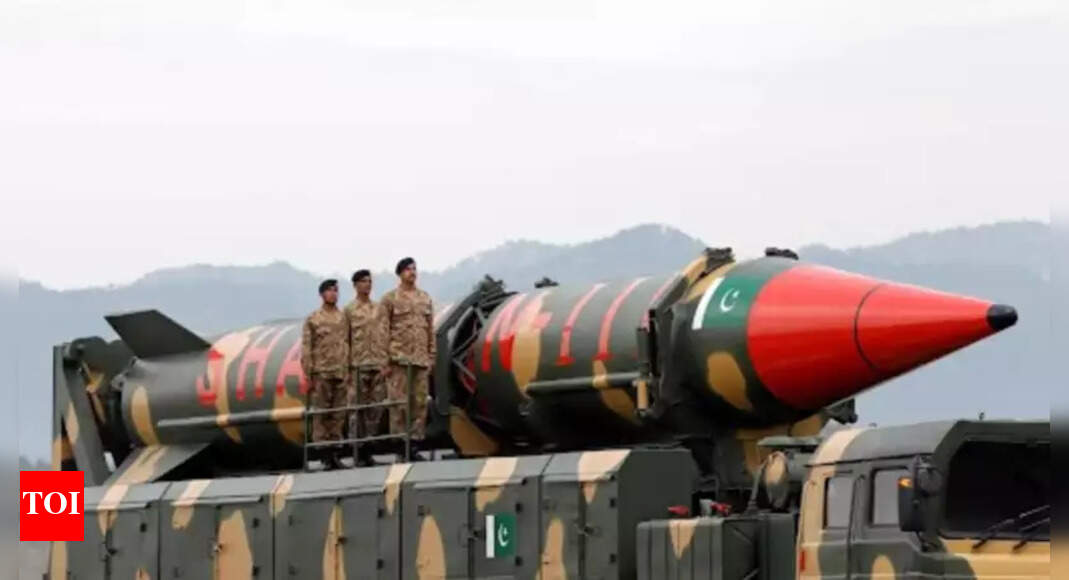
The US justification for the sanctions centers on preventing the proliferation of weapons of mass destruction and their delivery systems. The State Department specifically accused the NDC of seeking components for Pakistan's long-range ballistic missile program and missile-testing equipment, highlighting its role in the development of missiles like the Shaheen series. Independent assessments, like those from the Bulletin of the Atomic Scientists, corroborate the nuclear capability of these missiles, raising concerns about the potential for escalation in the region. The sanctions against the NDC, along with other entities, underscore the US commitment to curbing proliferation, but also expose the delicate balance between preventing the spread of potentially devastating weapons and maintaining international relations in sensitive geopolitical zones.
This incident is not an isolated event. The US has previously imposed sanctions on Pakistani and Chinese entities for alleged involvement in Pakistan's missile program. These repeated actions suggest a persistent pattern of US concern over Pakistan's missile development. The cumulative effect of these sanctions, including the latest measures against the four Pakistani companies, could have far-reaching economic and political consequences for Pakistan. It may lead to further strain in US-Pakistan relations, impacting cooperation on other fronts, potentially hindering counterterrorism efforts or broader regional security collaborations. The episode further complicates the already strained relationship, adding to the ongoing challenges of navigating a complex geopolitical landscape.
The controversy highlights the inherent difficulties in balancing national security interests with international non-proliferation efforts. Pakistan's assertion of its right to self-defense and its concerns about regional stability add a layer of complexity to the debate. The international community must consider the potential ramifications of such sanctions, including their effect on regional stability and the possibility of unintended consequences. The situation calls for careful diplomacy and a nuanced understanding of the underlying geopolitical tensions to prevent further escalation and promote a more peaceful and stable environment in South Asia and beyond. Finding a path forward requires dialogue, transparency, and a commitment to addressing the underlying concerns of all parties involved.