
 |
|
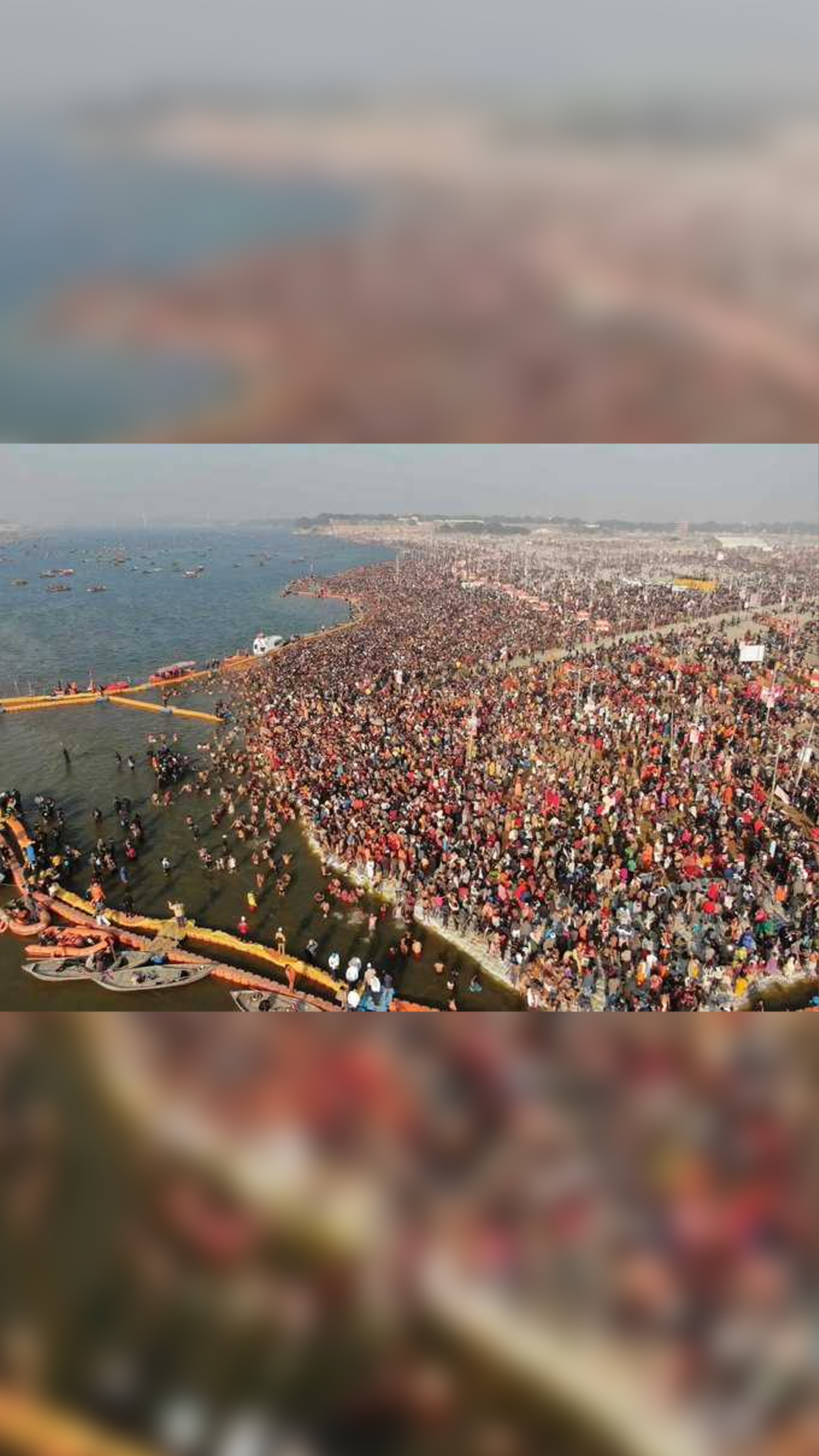
The Maha Kumbh Mela, a colossal gathering of Hindu pilgrims, is a spectacle of faith and devotion. Held at the Triveni Sangam in Prayagraj, Uttar Pradesh, India, it is considered one of the largest peaceful gatherings in the world. The very location holds immense spiritual significance, as it marks the confluence of three rivers: the Ganga (Ganges), Yamuna, and the mythical Saraswati. This confluence, known as the Triveni Sangam, is believed to be a place of immense spiritual purity, where taking a dip in the sacred waters is considered to cleanse the soul and wash away sins. Millions of devotees converge on Prayagraj during the Kumbh Mela, transforming the city into a vibrant, bustling hub of religious activity.
The Kumbh Mela is not merely a religious event; it’s a cultural phenomenon, a testament to the enduring power of faith and tradition in India. The atmosphere is electrifying, a blend of chanting, prayers, and the rhythmic sounds of devotional music. Temples overflow with worshippers, and the air is thick with the scent of incense and the palpable energy of devotion. The mela isn't just about religious rituals; it’s a vibrant tapestry of Indian culture, showcasing the country's diversity in food, music, art, and traditions. Temporary structures spring up, creating a massive tent city that houses millions of pilgrims for the duration of the event. It's a self-contained ecosystem with its own markets, food stalls, and even medical facilities, all operating within a carefully managed system.
The scale of the Maha Kumbh Mela is staggering. Millions of people from all walks of life, from across India and the world, participate. The logistics involved in managing such a huge gathering are enormous, requiring intricate planning and coordination among government agencies, religious organizations, and volunteers. The event highlights the incredible capacity of India to organize and manage massive events peacefully. Beyond its spiritual significance, the Kumbh Mela has a significant socio-economic impact on the region. It boosts local economies, creating employment opportunities and stimulating business activities. Millions of rupees flow into the local economy, bringing prosperity to the region and providing a much-needed economic boost.
The spiritual significance of the Maha Kumbh Mela is rooted in Hindu mythology. The mela is linked to the churning of the ocean of milk (Samudra Manthan), a pivotal event in Hindu cosmology. According to the legend, drops of Amrita, the nectar of immortality, fell at four sacred locations in India, one of which is Prayagraj. The Kumbh Mela is believed to be a time when the Amrita is most potent, making the Sangam a supremely auspicious site for spiritual cleansing and purification. The event is steeped in ancient traditions and rituals, passed down through generations, preserving a rich heritage and cultural identity.
The Maha Kumbh Mela is more than just a religious gathering; it's a powerful symbol of unity, faith, and resilience. The sheer scale and peaceful nature of the event demonstrate the unifying power of faith and the capacity of millions of people to come together in harmony. It’s a testament to the enduring spirit of India, reflecting its rich cultural heritage and the deep-seated belief in the power of spirituality. The Kumbh Mela continues to draw millions of devotees and inspire awe and wonder, showcasing the enduring strength of faith and tradition in the modern world. Its immense scale and profound spiritual significance make it a truly unique and unforgettable event.
Source: 7 interesting facts about 'Maha Kumbh Mela' in Uttar Pradesh's Prayagraj