
 |
|
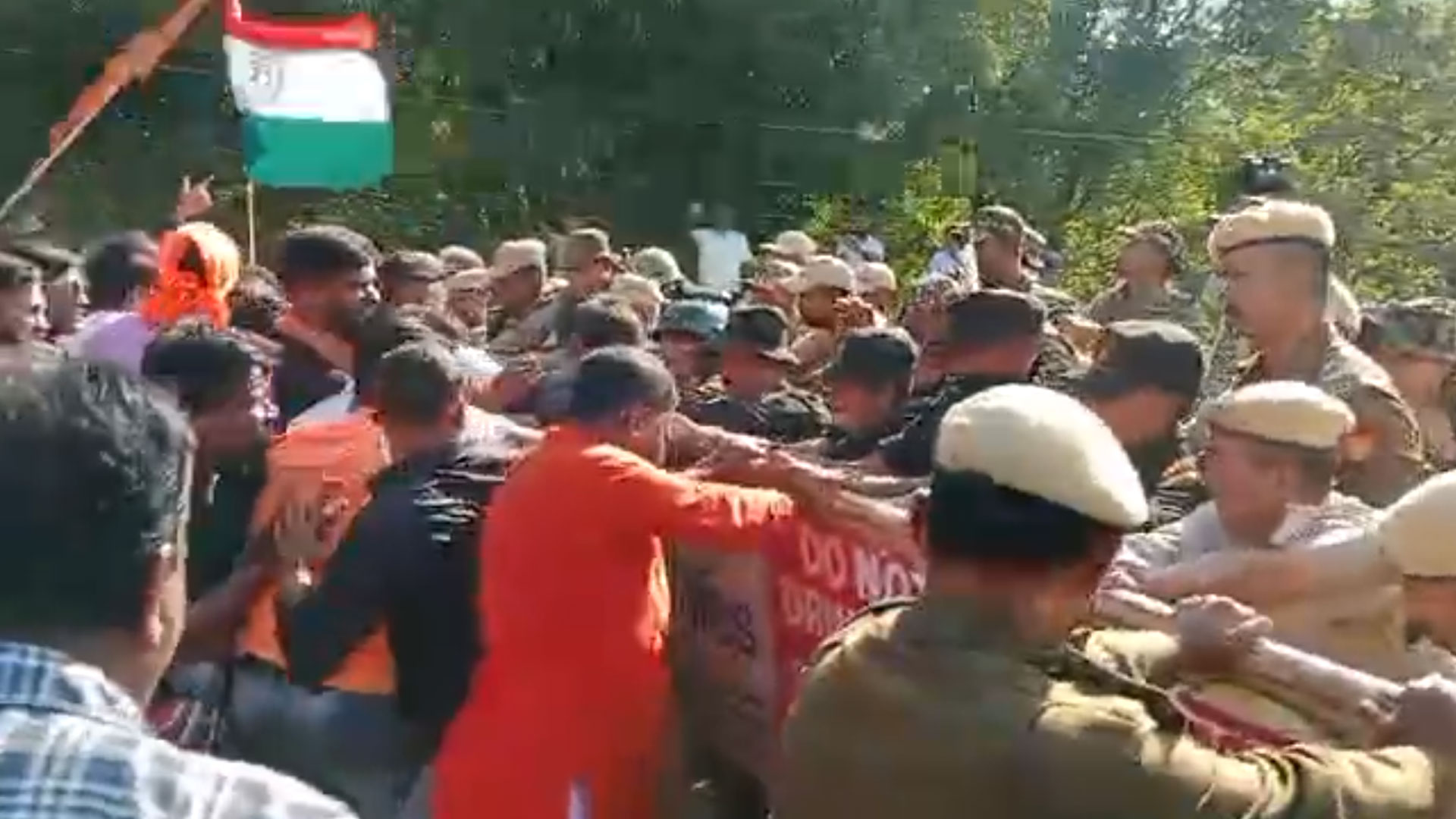
The recent arrest of Hindu priests in Bangladesh has ignited a firestorm of protest near the India-Bangladesh border. The demonstrations, characterized by fervent calls for the immediate release of the detained religious leaders, underscore a deep-seated concern regarding the potential for religious persecution within Bangladesh. The scale of the protests, involving large numbers of individuals from both sides of the border, highlights the trans-national implications of this event and the strong emotional response it has generated within the affected communities. The specifics surrounding the arrests remain somewhat shrouded in ambiguity, with differing accounts emerging from various sources. However, the central accusation remains consistent: that the arrests are a manifestation of targeted religious discrimination against the Hindu minority population in Bangladesh. This claim has further exacerbated existing tensions between the two nations, particularly given the history of strained relations and border disputes.
The protests themselves are a complex and multifaceted phenomenon. They are not merely spontaneous outbursts of anger, but rather represent a carefully orchestrated and sustained movement driven by a potent mix of religious sentiment, political activism, and community solidarity. The demonstrators, many of whom are family members and devotees of the arrested priests, have employed various tactics to make their voices heard. These include peaceful marches, sit-ins, and public pronouncements. The use of social media has also played a significant role in amplifying the protests' reach and ensuring that the story gains international attention. Images and videos circulating online depict the scale of the demonstrations, the emotional intensity of the participants, and the clear demands for justice and the release of the detained priests. This digital activism has successfully bypassed traditional media outlets, allowing the protesters to directly engage a global audience and garner support.
The implications of this incident extend far beyond the immediate issue of the arrested priests. It raises broader questions about religious freedom, minority rights, and the stability of relations between India and Bangladesh. The long-standing history of religious tensions between these two nations, coupled with the often-porous nature of their shared border, makes this situation particularly precarious. Any escalation of violence or further acts of religious persecution could have far-reaching consequences, potentially destabilizing the region and impacting millions of people. The international community is closely watching the situation, with various organizations and governments issuing statements urging restraint and calling for a peaceful resolution. The outcome of these protests and the fate of the arrested priests will undoubtedly shape the trajectory of relations between India and Bangladesh for years to come, underscoring the delicate balance between religious harmony and political stability in the region. The handling of this situation will serve as a critical test of both governments' commitment to upholding human rights and ensuring the protection of religious minorities.
Furthermore, the incident raises important questions about the role of religious leaders in society and the potential vulnerabilities they face, particularly in countries with a history of religious conflict or discrimination. The arrest of the priests has not only caused immediate distress within their communities, but it has also created a wider sense of unease and insecurity amongst religious minorities throughout Bangladesh. The fear of further persecution or discrimination can have a chilling effect on religious practices and freedom of expression, potentially leading to a decline in religious diversity and an increase in social divisions. Addressing these underlying concerns requires a concerted effort from both governments, as well as international organizations, to promote religious tolerance, protect the rights of religious minorities, and create an environment where all citizens can practice their faith freely without fear of reprisal.
The ongoing protests, therefore, represent more than just a demand for the release of the priests. They are a manifestation of deep-seated anxieties, unresolved grievances, and a struggle for religious equality and justice. The international community has a vital role to play in ensuring that these concerns are addressed and that the incident does not escalate into further conflict. A peaceful resolution, one that respects the rights of religious minorities and upholds the principles of religious freedom, is essential not only for the immediate parties involved but also for the broader stability and security of the region. The long-term implications of this incident will depend on the response of the Bangladeshi government and the international community's commitment to upholding the principles of human rights and religious tolerance.
Source: Hindu Priests Arrested In Bangladesh: Massive Protest Near India-Bangladesh Border