
 |
|
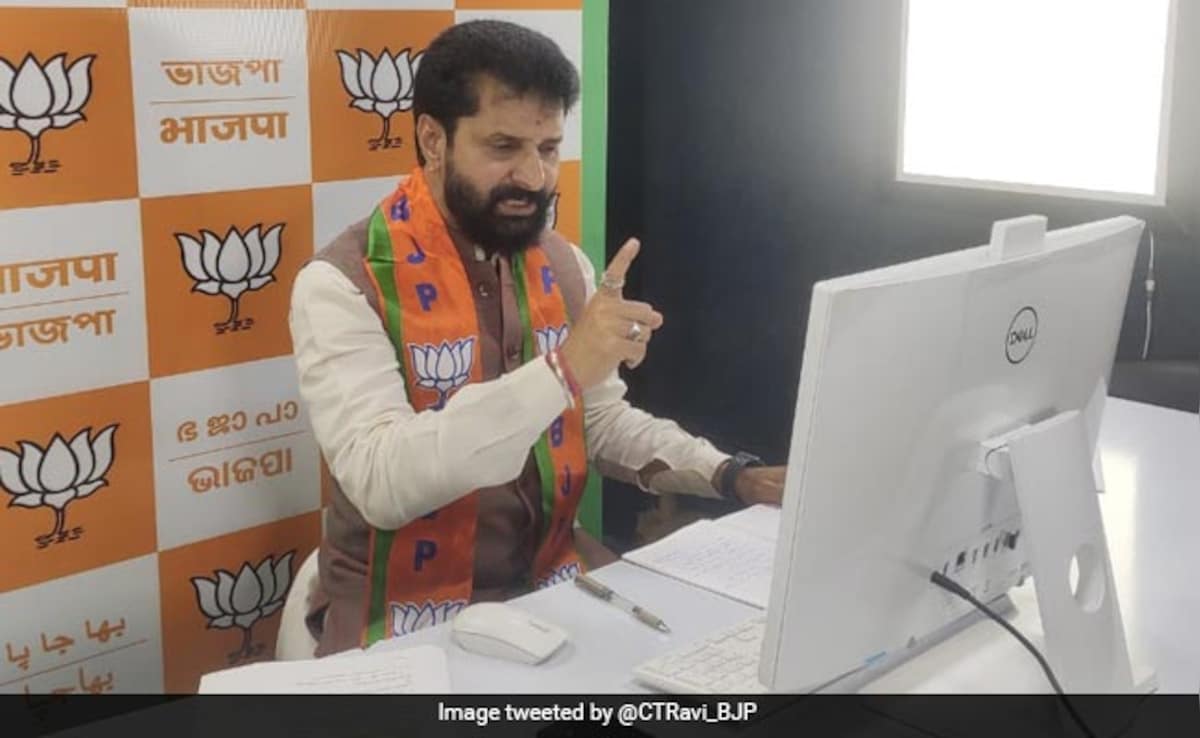
The arrest of Bharatiya Janata Party (BJP) Member of the Legislative Council (MLC) CT Ravi in Karnataka has ignited a firestorm of political controversy and sparked widespread protests across the state. Ravi's arrest stems from allegations of making derogatory and sexually harassing remarks against Women and Child Welfare Minister Laxmi Hebbalkar. The incident, which occurred during a heated debate in the Suvarna Vidhana Soudha, the state's legislative assembly, has exposed deep-seated tensions between the ruling Congress party and the opposition BJP. Minister Hebbalkar filed a complaint, leading to the registration of a First Information Report (FIR) under sections 75 and 79 of the Bharatiya Nyay Sanhita (BNS), which pertain to sexual harassment and insulting gestures amounting to sexual harassment. The swift action by the police, arresting Ravi while he was participating in a protest with fellow BJP members, underscores the seriousness with which the government views the allegations.
The arrest itself has been met with fierce condemnation from the BJP. Leader of the Opposition R. Ashoka accused the Congress party of 'goondagiri' (hooliganism), claiming that Ravi was assaulted and that the Chairperson of the Legislative Council, Basavaraj Horatti, had ruled that no such incident had occurred. This conflicting account highlights the sharply divided narratives surrounding the event, with the BJP maintaining that the charges against Ravi are politically motivated and lacking substantial evidence. The BJP's protests, witnessed in various locations including Bengaluru, Belagavi, and Ravi's hometown of Chikkamagaluru, demonstrate the party's resolve to challenge the arrest and defend its MLC. The protests, while expressing solidarity with Ravi, also reflect the heightened political climate in Karnataka, where the Congress's recent electoral victory has led to significant shifts in power dynamics.
The incident has also raised questions about the conduct and decorum within the legislative assembly. While the Chairperson, Basavaraj Horatti, attempted to mediate the situation and declared the matter closed, the ensuing chaos and protests demonstrate the failure to effectively manage the conflict within the confines of parliamentary procedure. The subsequent discussions in the Legislative Assembly further emphasized the deep divisions, with Congress MLA Sharat Bache Gowda raising the issue and the Leader of Opposition objecting to its discussion, highlighting the partisan nature of the response. Minister for Law HK Patil's statement condemning the alleged use of obscene words and the insult to Minister Laxmi underscores the gravity of the allegations, placing the onus on all members to maintain mutual respect and decorum within the legislative chamber. The incident raises larger questions about the standards of political discourse and the role of accountability within the legislative process.
The broader implications of this incident extend beyond the immediate political fallout. The allegations of sexual harassment and the subsequent arrest raise critical questions about the protection of women in politics and the need for stricter measures to prevent and address such behavior. The incident also reflects the volatile nature of political discourse in India, often characterized by aggressive rhetoric and personal attacks. The contrasting narratives and the strong reactions from both the ruling and opposition parties highlight the deep polarization in Indian politics and the challenges in maintaining a constructive and respectful environment for political debate. The ongoing protests and the potential for further escalation underscore the need for a measured and impartial investigation into the allegations to ensure a fair resolution and to address the underlying concerns about decorum and accountability within the Karnataka legislative assembly.
Source: BJP Leader CT Ravi Arrested For Making Derogatory Remarks Against Woman Minister