
 |
|
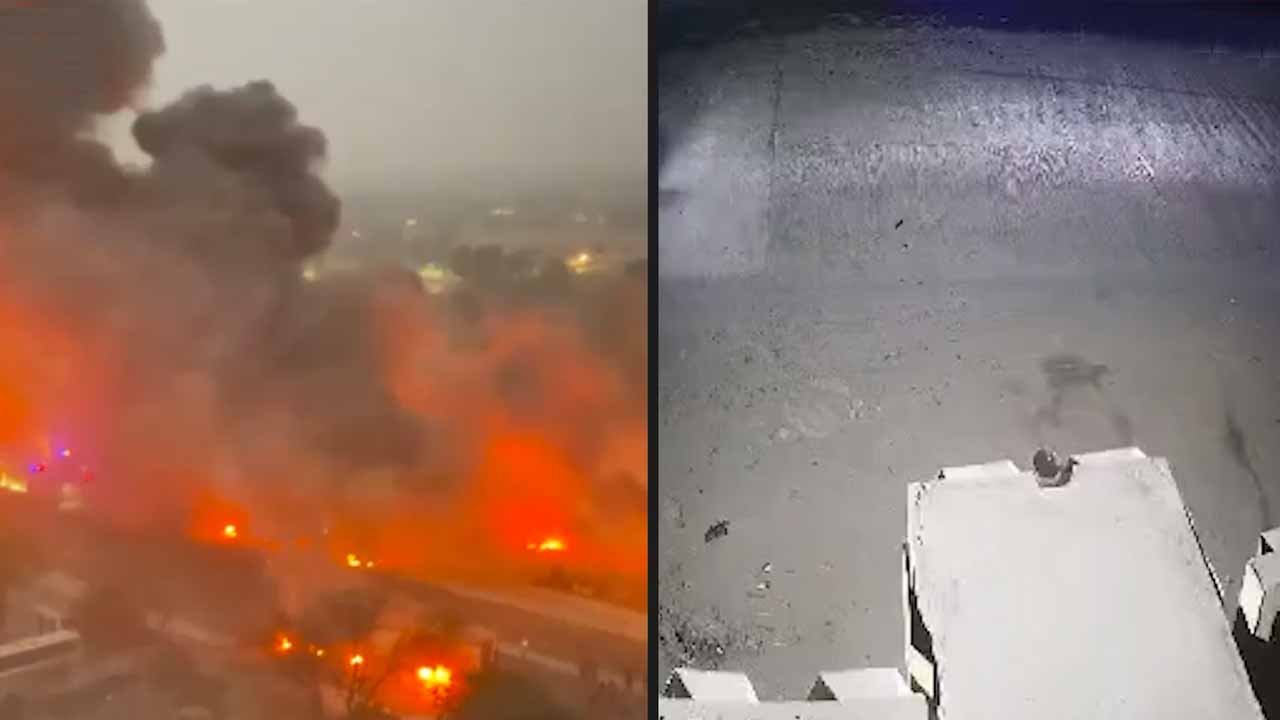
The devastating accident on the Jaipur-Ajmer highway serves as a stark reminder of the inherent dangers associated with the transportation of hazardous materials. The collision between a gas tanker and several other vehicles, captured on chilling CCTV footage, unfolded in a horrifying sequence of events. Initially, the impact caused a significant gas leak, quickly filling the surrounding area with a potentially explosive mixture. The ensuing fire, fueled by the readily available fuel and the highly flammable gas, rapidly escalated into a raging inferno, turning a stretch of the highway into a scene of devastation. The intense heat generated by the fire melted vehicles, leaving behind a trail of charred metal and debris. The black smoke, visible for almost a kilometer, painted a grim picture of the destruction. The scale of the destruction is evident in the fact that approximately 300 meters of highway was impacted, leading to significant traffic congestion and delays. The loss of eight lives underlines the severity of the accident and the urgent need for enhanced safety protocols in the transportation of flammable and hazardous materials.
The CCTV footage, a crucial piece of evidence in understanding the sequence of events, offers a chilling glimpse into the catastrophic moments following the initial collision. The footage shows the immediate aftermath of the impact, with smoke visibly billowing from the point of impact and spreading rapidly. This is followed by a period of intense heat and fire, culminating in a powerful blast that underscores the immense explosive potential of the leaked gas. The release of such a large quantity of gas in a confined area, compounded by the heat from the initial fire, would have created a volatile and potentially explosive atmosphere. The blast itself would have produced a significant overpressure wave capable of causing further damage and injuring or killing those in the immediate vicinity. The footage serves not only as a record of the event but also as a powerful illustration of the risks associated with accidents involving hazardous materials and the importance of proper safety procedures.
The accident raises serious questions regarding safety regulations and enforcement within the transportation sector. The sheer scale of the destruction and the loss of life necessitate a thorough investigation into the causes of the accident and the effectiveness of existing safety measures. Were there any lapses in the maintenance of the gas tanker? Were there any violations of transportation regulations? Was the response of emergency services adequate and timely? These are some of the crucial questions that need to be answered. This accident is a tragedy that could have been mitigated, potentially saving lives. It is imperative that regulatory bodies conduct rigorous reviews of existing safety standards and enforcement practices to prevent similar incidents from occurring in the future. This tragedy should serve as a catalyst for implementing stronger regulations, enhancing driver training programs, and ensuring that vehicles carrying hazardous materials meet the highest safety standards. The ultimate goal should be to minimize the risk of such catastrophic events and to protect the lives of both drivers and the public.
Beyond the immediate aftermath, the long-term consequences of this accident extend far beyond the immediate losses. The extensive damage to the highway will require significant repairs, resulting in disruptions to traffic flow and economic activity. The cleanup operation, involving the removal of debris and the neutralization of any remaining hazardous materials, is a complex and potentially lengthy process. The emotional toll on the families of the victims is immeasurable, and providing support and resources to these families will be a crucial task. Moreover, the accident will likely have a lasting psychological impact on witnesses and first responders. The images of the raging inferno and the destruction caused will undoubtedly stay with them for years to come. Addressing the psychological needs of those affected is therefore a crucial component of the overall response to this tragedy.
The Jaipur-Ajmer highway accident underscores the need for a multi-pronged approach to enhance road safety. This includes stricter regulations for the transportation of hazardous materials, improved driver training and licensing, regular vehicle maintenance, and enhanced emergency response capabilities. Furthermore, investment in improved infrastructure, such as better road design and emergency response systems, is critical. Only through a concerted effort involving governmental agencies, transportation companies, and individual drivers can we hope to significantly reduce the risk of such catastrophic events and create a safer environment for all road users. The memory of this devastating accident should serve as a powerful reminder of the importance of prioritizing safety on our roads.
Source: Gas Leak, Then Blast: CCTV Shows Moments After Jaipur Crash That Killed 8