
 |
|
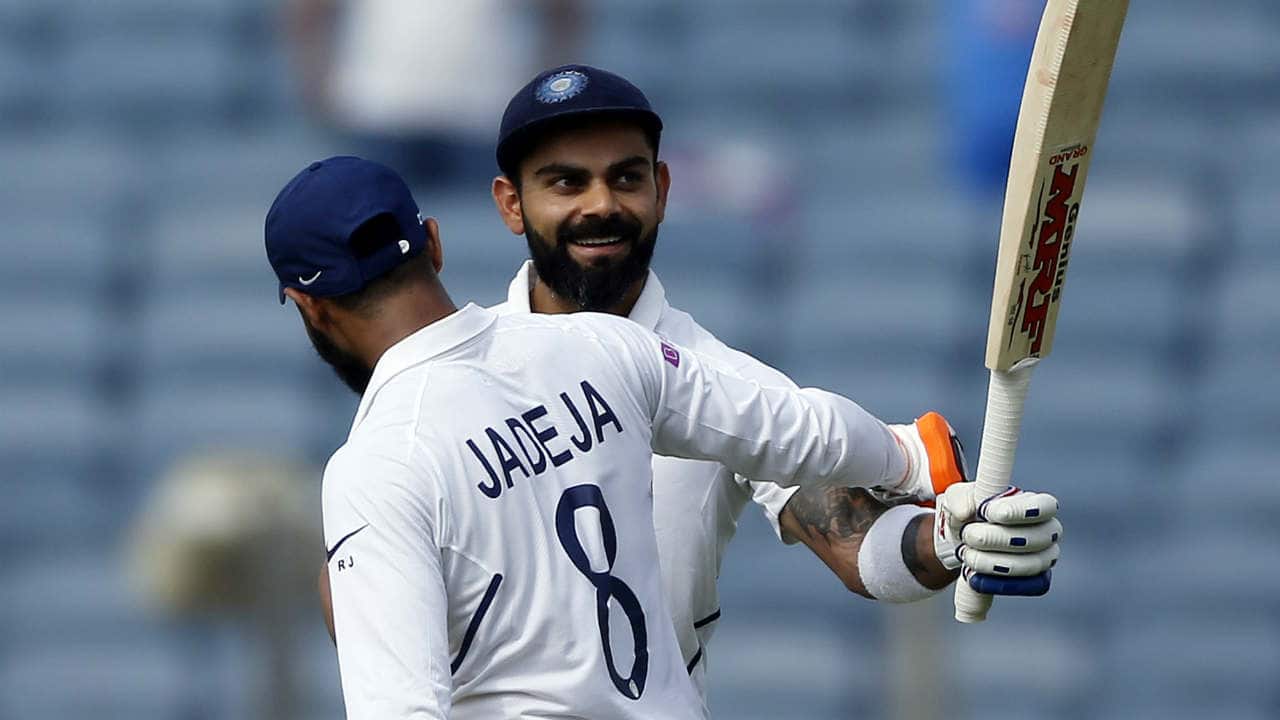
The ongoing Border-Gavaskar Trophy, a highly anticipated cricket series between India and Australia, has been marred by a series of off-field controversies involving the Australian media. The latest incident centers around Indian all-rounder Ravindra Jadeja and his interaction with journalists at a press conference held at the Melbourne Cricket Ground (MCG). Chanel 7, an Australian news outlet, published a report alleging that Jadeja refused to answer questions in English, further fueling tensions already simmering after a previous incident involving Virat Kohli. The report painted a picture of Jadeja abruptly ending the press conference, claiming he needed to catch the team bus, and of an Indian media team prioritizing Indian journalists, thus excluding their Australian counterparts. This narrative, however, is fiercely contested.
Hindustan Times, an Indian newspaper, promptly issued a counter-narrative, directly challenging Chanel 7's account. Their report highlighted that Jadeja was primarily questioned in Hindi by Indian media representatives; at no point was he asked a question in English and thus never refused to answer in that language. Furthermore, Hindustan Times explicitly denied Jadeja's purported statement about leaving for the team bus, stating that he was simply concluding the press conference as it was ending. This significant discrepancy in accounts emphasizes the crucial role of fact-checking and the potential for biased reporting to escalate already tense situations. The differing narratives not only highlight the contrasting perspectives of the two media outlets but also raise questions about the accuracy and objectivity of the initial report.
Beyond the Jadeja controversy, the Hindustan Times report also revealed an altercation between Australian journalists and the India media manager. This incident underscores a deeper issue of unprofessional conduct and escalating tensions between the two media teams. The report details how some Australian journalists engaged in a heated and disrespectful exchange with the Indian manager, even instructing camerapersons to continue recording the interaction against the manager's wishes. This behaviour further fuels the narrative of conflict and unprofessionalism, adding another layer of complexity to the overall situation. Such actions not only damage the professional reputation of the individuals involved, but also contribute to the creation of a hostile environment that overshadows the sporting event itself. This raises serious concerns about the ethics and responsibility of sports journalism and the potential for media coverage to escalate existing tensions.
The current incidents are not isolated occurrences. They follow a previous altercation involving Virat Kohli, the former India captain, and an Australian journalist at Melbourne airport. The initial report by Chanel 7 described Kohli as having 'lost his cool' and engaging in a heated exchange. However, subsequent videos shared on social media platforms, such as a video on veteran sports journalist Vimal Kumar's YouTube channel, offer a contrasting perspective. These videos feature eyewitnesses, including fans present at the airport, who claim Kohli's actions were far less aggressive. These accounts instead suggest that Kohli calmly requested the cameraperson to refrain from filming his family without consent. The stark contrast between the initial news report and subsequent eyewitness accounts underscores the importance of multiple perspectives and in-depth investigation in reporting news events, especially those carrying potential for international controversy. The disparities highlight the dangers of accepting initial reports without scrutiny and the need for journalists to strive for unbiased and comprehensive coverage.
In conclusion, the recent media clashes surrounding the Border-Gavaskar Trophy underscore the importance of journalistic integrity and the potential for misrepresentation to exacerbate already tense situations. The contrasting narratives surrounding both the Jadeja and Kohli incidents highlight the need for accurate reporting, fact-checking, and avoiding biased interpretations. The unprofessional conduct exhibited by some Australian journalists towards the Indian media manager further raises serious ethical concerns. These events highlight the broader issues of cross-cultural understanding and professional conduct within international sports journalism. Moving forward, a greater emphasis on responsible reporting and fostering respectful dialogue between media teams from different nations is crucial to maintaining the integrity of the sport and avoiding further escalation of unnecessary tensions.