
 |
|
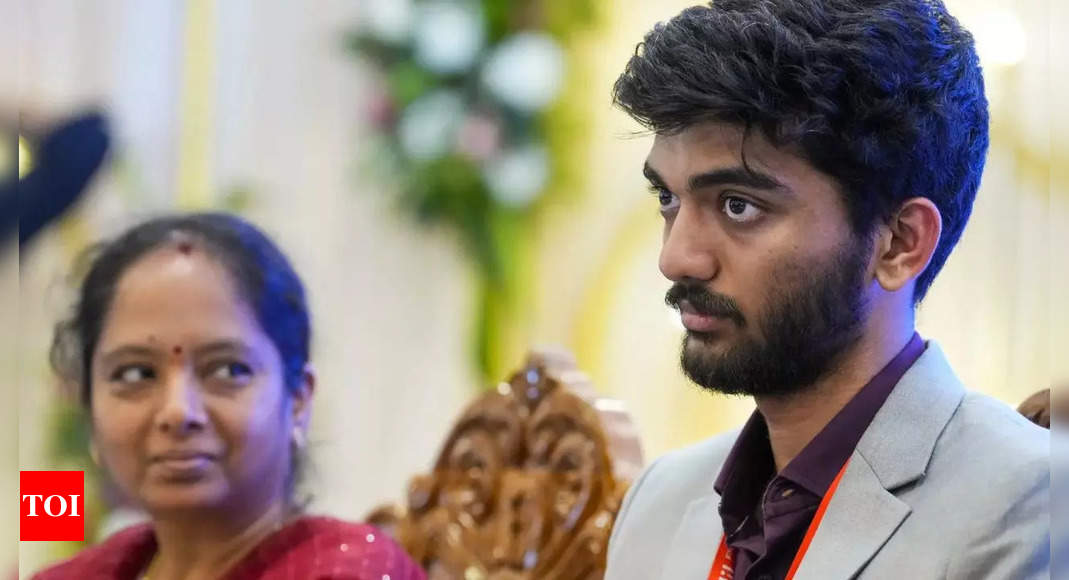
The recent victory of 18-year-old D Gukesh in the World Chess Championship has captivated the world, showcasing not only his exceptional talent but also the unconventional path that led to his triumph. His mother, Padma Kumari, played a pivotal role in this journey, making significant sacrifices and facing considerable doubt along the way. The decision to withdraw Gukesh from formal schooling after the 4th or 5th grade stands out as a particularly bold and ultimately successful choice. This unconventional approach, while met with skepticism in the traditional Indian context, allowed Gukesh to dedicate himself entirely to his passion for chess, paving the way for his meteoric rise to the top of the chess world. Padma Kumari's candid account reveals the anxieties and uncertainties inherent in such a decision, highlighting the courage and unwavering belief it required from her and her family. The constant questioning of their choice, particularly during periods when Gukesh’s performance faltered, underscores the significant risks involved in such an unorthodox approach to education. The weight of this responsibility, the fear of hindering Gukesh's development, and the societal pressure to conform to conventional educational norms created considerable internal conflict for Padma Kumari. Yet, her faith in her son's talent, combined with a deep-seated trust in a higher power, ultimately guided her decision-making process. Her story is a powerful testament to the importance of parental support, the significance of nurturing individual talent, and the occasionally necessary departure from conventional norms in pursuit of extraordinary achievement.
The narrative surrounding Gukesh's success isn't merely a tale of exceptional talent; it’s a compelling exploration of parental dedication and the risks associated with prioritizing passion over traditional education. Padma Kumari's recounting of her decision-making process reveals a constant internal struggle, a battle between societal expectations and the belief in her son's potential. The choice to prioritize chess over formal schooling wasn't taken lightly; it was a conscious and continuous evaluation, a gamble with significant implications for Gukesh's future. The uncertainty gnawed at her, particularly during periods of less-than-stellar performance. These doubts highlight the inherent vulnerability of parents navigating unconventional pathways for their children. The narrative underscores that the decision wasn’t solely about removing Gukesh from school; it was about creating a focused, supportive environment that allowed him to thrive in his chosen field. It was a gamble that required unwavering belief, resilience, and a willingness to embrace the risks associated with diverging from the established norms of education and societal expectations.
Gukesh's story offers a valuable lesson for parents and educators alike. It challenges the traditional notions of success and the often-rigid structures of formal education. While formal schooling provides a structured framework, it doesn't necessarily cater to the unique talents and needs of all individuals. Gukesh's journey demonstrates that exceptional talent can flourish in unconventional environments, given the right support and unwavering belief. Padma Kumari's experience highlights the importance of recognizing and nurturing individual potential, even when it deviates from established norms. The family's decision was a calculated risk, but one that ultimately paid off. Their story inspires parents to consider alternative educational pathways for children with exceptional talents, encouraging a focus on individual potential and passion over rigid adherence to traditional schooling. However, it also serves as a reminder that such decisions require careful consideration, unwavering support, and a deep understanding of the child's needs and capabilities. It's a nuanced story, one that underscores the complex interplay between talent, parental support, and the often unpredictable nature of success.
Source: 'Not sending D Gukesh to school was tough call,' says mother Padma Kumari