
 |
|
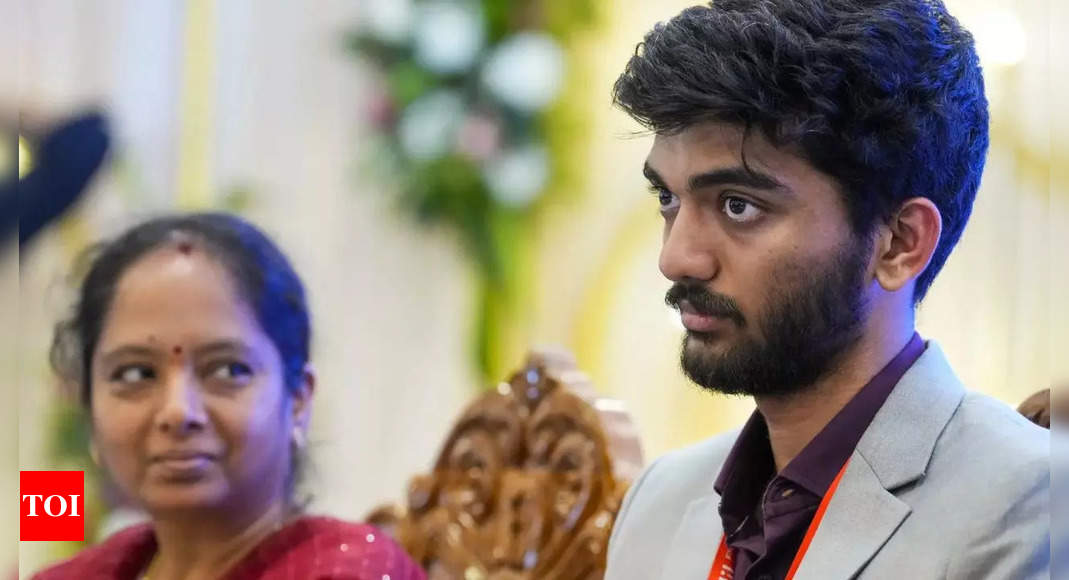
The recent triumph of 18-year-old D Gukesh at the World Chess Championship has captivated the world. His victory, a stunning defeat of China's Ding Liren in a grueling 14-game match, is not just a testament to his exceptional talent but also a compelling narrative of sacrifice and unwavering parental support. At the heart of this story is Gukesh's mother, Padma Kumari, whose candid account of their journey reveals the profound decisions and inherent risks involved in prioritizing her son's passion for chess above traditional schooling. The decision to withdraw Gukesh from formal education after only fourth or fifth grade remains a controversial yet pivotal element in his extraordinary success. This unconventional path, while raising eyebrows in the context of contemporary Indian society, allowed Gukesh to dedicate himself fully to honing his chess skills, ultimately leading to his world championship title. The courage and faith exhibited by Padma Kumari in making this decision are equally impressive, highlighting the significant role parental support plays in nurturing exceptional talent.
Padma Kumari's interview with ChessBase India offers a poignant glimpse into the emotional rollercoaster experienced by the family. The decision to forgo formal schooling was not made lightly. The interview reveals moments of doubt and self-questioning, especially during periods where Gukesh's performance faltered. The weight of responsibility in guiding a young child toward an unconventional path was immense, and the fear of making the wrong choice constantly weighed upon them. These doubts, however, were consistently counterbalanced by moments of elation as Gukesh's skills improved, his ratings rose, and he achieved success in tournaments. These achievements provided the family with the confidence to persevere on their chosen path, strengthening their belief in Gukesh's potential and hard work. The narrative demonstrates the importance of recognizing the fine line between support and pressure in nurturing a child's talent, underscoring the delicate balance parents must strike.
The interview highlights the considerable social pressure the family faced. The decision to prioritize chess over formal education challenged societal norms in India, where academic achievement often holds paramount importance. Many questioned the family's choice, expressing concerns about the potential long-term consequences of foregoing a traditional education. Padma Kumari acknowledged this skepticism, admitting that the decision was incredibly difficult and came with immense uncertainty. The family initially considered waiting until Gukesh reached eighth grade before making a final decision but ultimately chose to continue down the unconventional path as his chess skills continued to improve. The success of this approach, which culminated in Gukesh becoming the youngest World Chess Champion, serves as a powerful testament to the importance of recognizing and nurturing exceptional talent, even if it requires challenging established norms and facing significant social pressure. The narrative demonstrates that unconventional approaches can lead to extraordinary outcomes, as long as they are rooted in belief, unwavering support, and a recognition of an individual’s unique potential.
The story of D Gukesh and Padma Kumari offers valuable lessons that extend far beyond the world of chess. It serves as an inspiring example of parental dedication, unwavering belief in a child's abilities, and the courage to challenge established norms to achieve extraordinary success. It also highlights the importance of recognizing and nurturing individual talents and passions, even when it means deviating from traditional paths. The narrative underscores the significance of parental support in shaping a child’s future and the impact of making bold choices in the face of uncertainty. It is a testament to the power of faith, hard work, and the potential for success when individuals are provided with the right environment and support to pursue their passions with unwavering commitment. The story's enduring power lies in its ability to inspire others to embrace unconventional paths, trust their intuition, and support their children's ambitions, no matter how audacious they may seem.
Source: 'Not sending D Gukesh to school was tough call,' says mother Padma Kumari