
 |
|
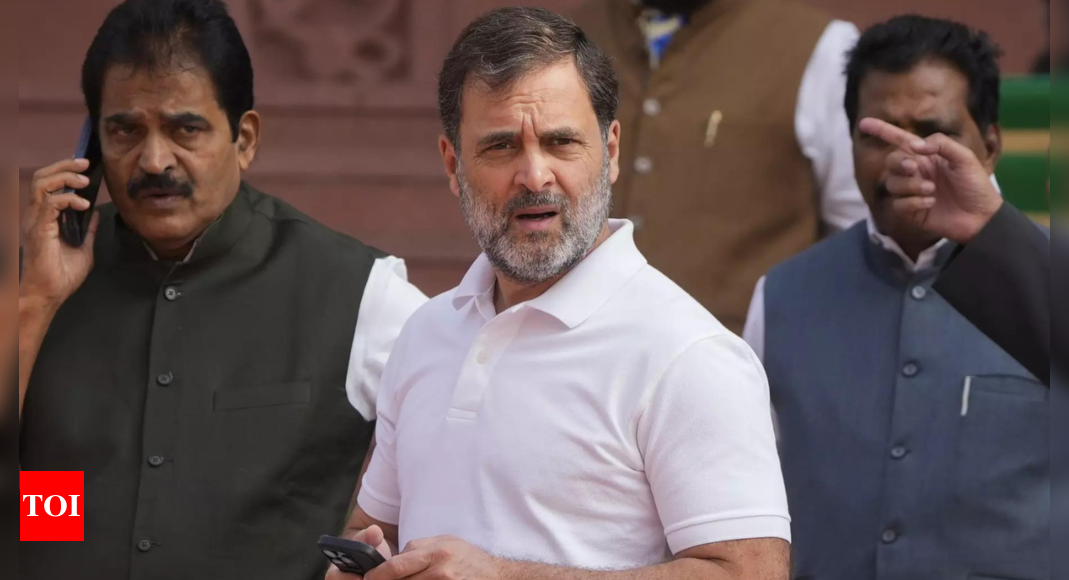
The recent decline in India's Gross Domestic Product (GDP) growth rate to a seven-quarter low of 5.4 percent has sparked intense political debate, with Congress leader Rahul Gandhi leading the charge against the central government's economic policies. Gandhi's critique centers on the widening gap between the prosperity enjoyed by a small segment of the population and the economic hardships faced by the majority, particularly farmers, laborers, and the middle class. He argues that the current economic model is unsustainable and requires fundamental changes to ensure inclusive growth. The core of his argument rests on the assertion that the benefits of economic growth have not been equitably distributed, leaving a significant portion of the population struggling with stagnant or declining incomes. This claim is supported by his presentation of various economic indicators, highlighting the challenges facing ordinary citizens.
Gandhi points to a number of key indicators to support his assertions. He highlights a 14-month high in retail inflation at 6.21 percent, a significant increase in the price of essential commodities such as potatoes and onions (approximately 50 percent year-on-year), and a weakening Indian Rupee, reaching its lowest level of 84.50 against the US dollar. Further exacerbating the situation, he notes a record high unemployment rate, surpassing levels not seen in 45 years. This combination of factors, according to Gandhi, paints a grim picture of the state of the Indian economy, impacting not only the financial well-being of individuals but also impacting consumer demand. The decrease in income, he argues, directly translates into a reduction in consumer spending.
Gandhi's analysis goes further by examining the impact of government policies such as demonetization and the implementation of the Goods and Services Tax (GST). He contends that these measures have negatively impacted the manufacturing sector, reducing its share in the economy to a 50-year low of 13 percent. This decline in manufacturing, he argues, has had a ripple effect throughout the economy, impacting job creation and overall economic growth. His assessment also includes the shrinking share of affordable goods in the market. He points to the decline in the share of cars priced below Rs 10 lakh in sales (from 80 percent in 2018-19 to less than 50 percent) and affordable housing (from 38 percent to 22 percent). Similarly, the demand for fast-moving consumer goods (FMCG) is also reportedly declining. These observations, he concludes, illustrate a worrying trend of reduced consumer purchasing power across various sectors, further indicating a serious need for economic reforms.
The Congress leader also points to a concerning shift in the tax burden, with the share of corporate tax decreasing by 7 percent over the last 10 years while income tax has increased by 11 percent. This disparity, according to Gandhi, highlights a system that favors large corporations at the expense of individual taxpayers. This skewed tax structure further contributes to the inequality he is criticizing. Gandhi's overall argument emphasizes the interconnectedness of various economic factors and the need for a holistic approach to address the current challenges. He advocates for a new economic model, a 'new deal' that prioritizes equitable growth and offers opportunities for all sectors of society to participate in and benefit from India's economic progress. He asserts that the current economic policies are not inclusive enough and fail to address the needs of the vast majority of the Indian population, hindering the overall progress of the nation.
The release of the GDP data by the National Statistical Office, showing a 5.4 percent growth rate for the three months ending September, adds weight to Gandhi's concerns. This figure is significantly lower than the 6.7 percent recorded in the preceding quarter and well below the 8.1 percent recorded in the second quarter of 2023-24. The lower-than-expected growth rate provides ammunition for Gandhi's criticism of the government's economic management and strengthens his call for a significant shift in economic policy. The debate around the declining GDP growth and the potential causes raises concerns about the sustainability of India’s economic trajectory, potentially impacting the government's economic policies and future strategies, underscoring the need for a comprehensive and inclusive economic plan.
Source: 'New thinking needed': Rahul Gandhi slams Centre over low GDP growth rate