
 |
|
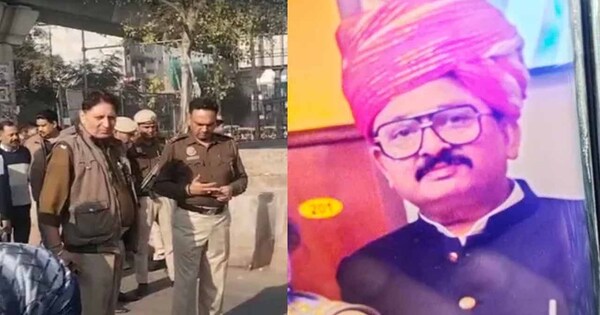
The brazen daylight murder of 52-year-old Sunil Jain in Delhi's Shahdara district has sent shockwaves through the city and highlighted the escalating concerns surrounding public safety. Jain, a successful businessman, was returning home after his morning walk near the Yamuna Sports Complex when he was ambushed and fatally shot by two individuals on a motorcycle. The brutality of the attack, with reports suggesting seven to eight bullets were fired, underscores the calculated nature of the crime and the blatant disregard for human life displayed by the perpetrators. This incident raises serious questions about the effectiveness of law enforcement in preventing such violent crimes and ensuring the safety of citizens, particularly in seemingly safe, public areas.
The police investigation is currently underway, focusing on identifying and apprehending the suspects. Initial reports suggest that the attackers were specifically targeting Jain, although the motive remains unclear. Investigators are exploring various avenues, including potential business rivalries, personal disputes, or even organized crime involvement. The lack of immediate witnesses poses a significant challenge, highlighting the need for enhanced security measures and surveillance in public spaces. The forensic evidence collected at the crime scene, including bullet casings and potential CCTV footage, will play a crucial role in piecing together the sequence of events and identifying the assailants.
The aftermath of this tragic event has sparked widespread outrage and fear among Delhi's residents. Concerns are rising about the safety and security of individuals, especially during early morning and evening hours when public spaces are less crowded. The incident has reignited the debate on strengthening law enforcement, improving surveillance technology, and implementing stricter measures to combat gun violence. Many are calling for increased police patrols in residential areas and public parks, along with stricter regulations on the sale and possession of firearms. The city's administration faces immense pressure to address these concerns effectively and reassure the public of their commitment to ensuring safety and security.
Beyond the immediate implications, the murder of Sunil Jain serves as a stark reminder of the broader challenges facing urban areas across the globe. The increasing prevalence of gun violence and organized crime necessitates a multi-pronged approach involving law enforcement, community engagement, and social interventions. Addressing the root causes of crime, such as poverty, inequality, and lack of opportunity, is crucial in creating safer and more just societies. The case also highlights the need for better crime prevention strategies, including improved street lighting, community policing initiatives, and increased public awareness campaigns to promote safety and self-protection.
The tragic loss of Sunil Jain underscores the need for a comprehensive reassessment of public safety measures in Delhi. This includes not only improved law enforcement strategies, but also a proactive approach to community engagement and crime prevention. The incident serves as a wake-up call, emphasizing the urgency for collaborative efforts between the police, local authorities, and the community to foster a safer and more secure environment for all citizens. The investigation must be thorough, transparent, and swift to bring the perpetrators to justice and to instill confidence in the ability of law enforcement to protect its citizens. The ongoing investigation and its outcome will be closely followed by the public, shaping perceptions of public safety and the effectiveness of the city's response to violent crime.
Source: Out On Morning Walk, Delhi Businessman Shot Dead By 2 Bike-Borne Men