
 |
|
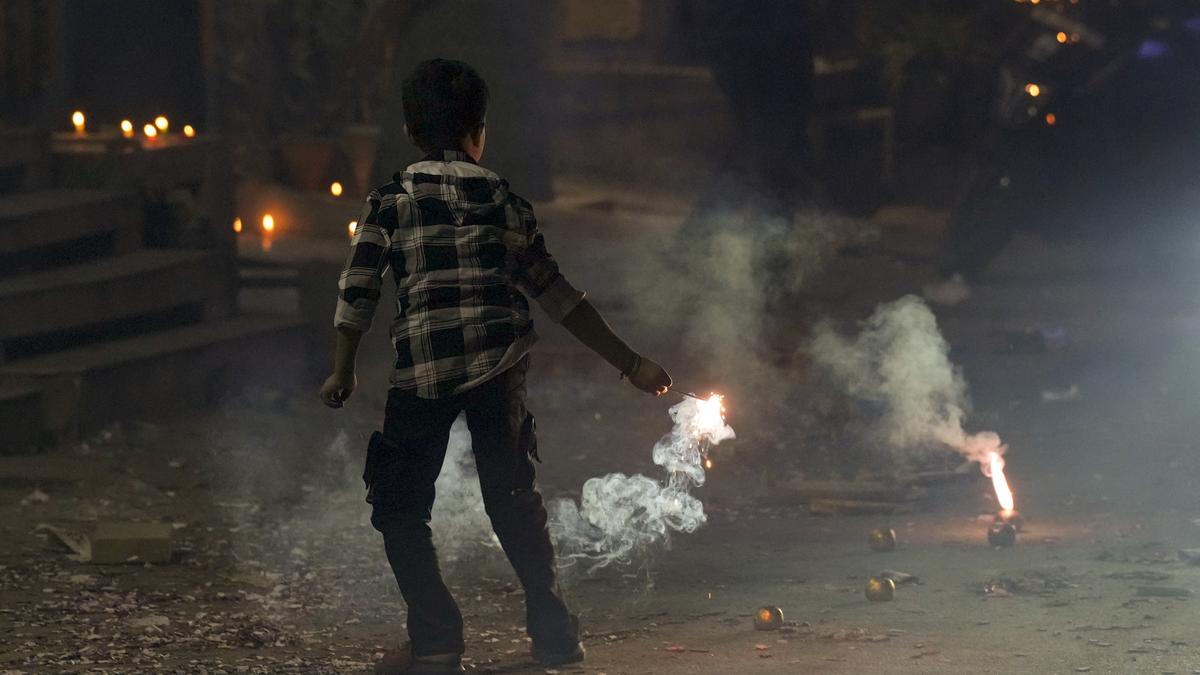
The Supreme Court of India delivered a significant ruling on Thursday, solidifying a permanent ban on firecrackers within the National Capital Territory of Delhi (NCT). This decisive action, announced by the Delhi government, stems from a long-standing legal battle focused on mitigating air and noise pollution. The Delhi government, represented by senior advocate Shadan Farasat, explicitly stated to the court that the ban was 'all-pervasive and permanent,' effective immediately. This far-reaching prohibition covers all aspects of the firecracker industry within Delhi, including manufacturing, storage, sale (including online platforms), and usage. The legal basis for this ban rests on Section 5 of the Environment Protection Act, 1986, highlighting the gravity of the environmental concerns addressed by this measure. The Supreme Court's order clearly reflects this commitment to environmental protection by stating the complete ban on all aspects of firecrackers' presence within the NCT of Delhi. This ban underscores the court's determination to tackle the pervasive problem of air and noise pollution often exacerbated by the widespread use of firecrackers, particularly during festivals.
The ramifications of the Delhi government's action extend beyond the city's borders. The Supreme Court's decision prompted a ripple effect across the National Capital Region (NCR), encompassing neighboring states such as Rajasthan, Haryana, and Uttar Pradesh. While Rajasthan had already implemented a similar ban, the court explicitly directed Uttar Pradesh and Haryana to enact comparable legislation within their respective NCR jurisdictions. This coordinated regional approach reflects the court's understanding that pollution doesn't respect state boundaries, requiring a unified response to effectively address its sources. The court's proactive stance underscores the urgency of this environmental issue and the need for cohesive action among neighboring states to achieve meaningful and lasting pollution reduction. The court's order demonstrates a strong commitment to regional collaboration, aiming to create a unified front against the persistent issue of air and noise pollution stemming from firecrackers.
The Delhi government's swift implementation of the permanent ban, however, faced immediate challenges. Representatives of approximately 150 firecracker dealers in Delhi contested the order, arguing that the Delhi government failed to consult with them before enacting the ban. This point of contention highlights the complexities involved in implementing sweeping regulations, particularly when considering the livelihoods of those directly impacted. The dealers asserted that the Supreme Court had previously directed the government to engage in consultations before making a decision, a step they claim was overlooked. This lack of consultation raises questions about the process leading to the ban's implementation and could lead to further legal challenges. The court’s focus now shifts to ensuring compliance from Uttar Pradesh and Haryana, necessitating further legal and administrative actions to enforce the comprehensive ban across the entire NCR. The interplay between environmental protection and economic interests represents a significant challenge that requires careful consideration and possibly alternative solutions to minimize hardship on those involved in the firecracker industry.
The decision to impose a permanent ban on firecrackers in Delhi and the NCR reflects a broader global trend toward stricter regulations on fireworks due to their significant environmental impact. Firecrackers release substantial amounts of particulate matter, nitrogen oxides, and other pollutants into the atmosphere, significantly contributing to air pollution. This pollution contributes directly to respiratory illnesses and other health problems, particularly among vulnerable populations like children and the elderly. Furthermore, the noise pollution generated by firecrackers poses a significant public health concern, affecting sleep patterns, causing stress, and potentially exacerbating existing health conditions. The court's decision, therefore, is firmly rooted in protecting public health and environmental well-being. The success of the ban will depend on robust enforcement mechanisms across all the states involved and requires a multi-pronged approach including public awareness campaigns, providing alternative income opportunities to those in the firecracker industry, and ongoing monitoring of air and noise pollution levels.
Looking ahead, the effectiveness of the permanent ban will rely heavily on the commitment and cooperation of all stakeholders. Enforcement by local authorities in Delhi and across the NCR will be crucial, ensuring compliance from manufacturers, distributors, and consumers. The Delhi government must also actively address the concerns raised by the firecracker dealers, possibly through the implementation of comprehensive rehabilitation programs to support affected individuals and businesses. Transparent communication and public awareness campaigns are also essential to ensure the long-term success of the ban. By fostering a collaborative approach that balances environmental protection with socio-economic concerns, the court's decision can serve as a model for other regions facing similar challenges related to air and noise pollution. The long-term effects of this ban, and its effectiveness in reducing pollution levels within the NCR, will be closely monitored and serve as a critical case study for future environmental policy decisions.
Source: We have imposed permanent ban on firecrackers, Delhi govt. tells SC