
 |
|
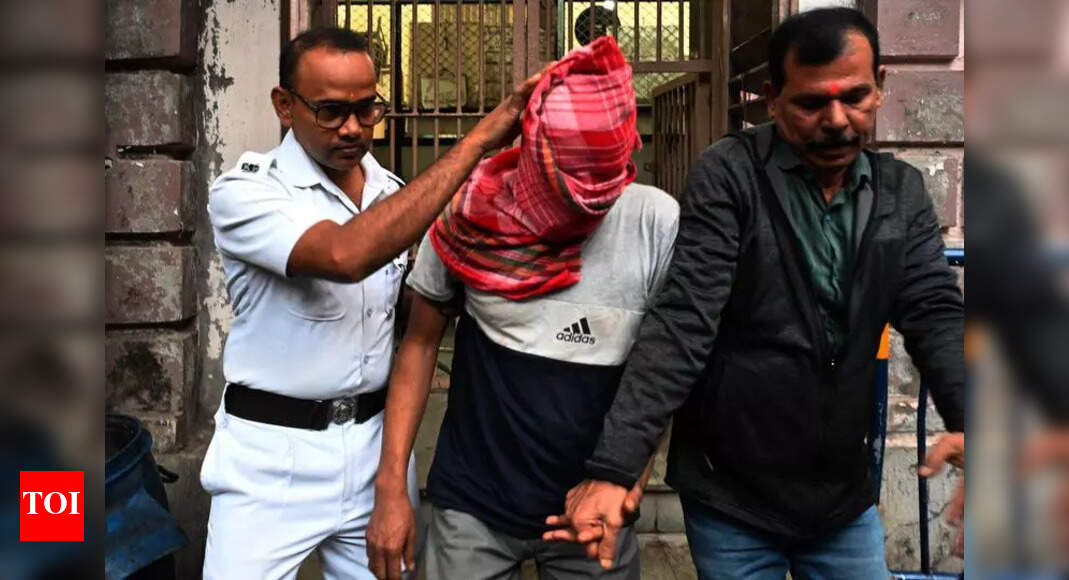
The arrest of Selim Mohammed, a member of the Bangladesh Nationalist Party (BNP), in Kolkata, India, highlights the complexities of cross-border migration and the lengths individuals will go to evade political persecution or instability. Selim Mohammed, also known as Selim Matabbar, was apprehended for illegally entering and residing in India for two years under a false identity. The details of his apprehension paint a picture of a man desperately seeking refuge from a precarious situation in his home country. The Kolkata police investigation revealed that Selim was a farmer from Madaripur, Bangladesh, and his affiliation with the BNP placed him under surveillance by the ruling Awami League party's workers before the recent Bangladeshi elections. This political climate, marked by potential threats and targeting of opposition party members, underscores the motivation behind Selim's flight to India.
His escape from Bangladesh involved a perilous journey, orchestrated with the help of human traffickers or brokers. This network facilitated his clandestine crossing of the Gede border in Nadia, West Bengal. After a brief period washing dishes at a local eatery, Selim moved to Bongaon, where he encountered another agent who promised to obtain fraudulent documents. This involved a trip to Delhi, where a broker procured a fake passport and Aadhaar card, essential for navigating daily life in India. The ease with which he obtained these forged documents underscores the vulnerabilities of identity systems and the potential for exploitation by criminal networks engaged in human trafficking and identity theft. This intricate network highlights the transnational nature of this crime, with agents operating across international borders to facilitate illegal immigration and the acquisition of fake identities.
The case of Selim Mohammed serves as a stark reminder of the vulnerabilities faced by individuals in politically volatile regions. The threat of political persecution, coupled with the availability of underground networks facilitating illegal migration, creates a complex situation with profound humanitarian and security implications. While Selim's actions were illegal, his motivation—to escape potential harm—provides a complex layer to the story. The investigation into his case should not only focus on prosecuting him for violating immigration laws but also on dismantling the broader network of brokers and agents who facilitate such illegal activities. This necessitates collaborative efforts between Indian and Bangladeshi law enforcement agencies to disrupt human trafficking networks and address the root causes driving individuals to seek refuge abroad under false pretenses. Furthermore, addressing the political and socio-economic factors in Bangladesh that contribute to such desperate measures is critical to preventing future occurrences.
The implications extend beyond the individual case. Selim's story raises broader questions about the efficacy of border security measures and the challenges of combating transnational crime. The ease with which he obtained a fake passport and Aadhaar card highlights weaknesses in identity verification systems, both in India and potentially in other countries. It necessitates a review of existing security protocols and the implementation of more robust measures to prevent the exploitation of such vulnerabilities. The involvement of multiple brokers across different locations suggests a well-established network that warrants a thorough investigation. Disrupting this network would require intelligence sharing and coordinated law enforcement efforts between different countries and agencies.
The success of apprehending Selim Mohammed hinges on inter-agency collaboration and information sharing. The collaborative efforts between local police and potentially other intelligence agencies were crucial in tracking him down. Future strategies should focus on strengthening international cooperation to combat transnational crime, including human trafficking and the creation and distribution of fraudulent identities. This could involve improved information sharing, joint operations, and capacity building for law enforcement agencies in both countries. Furthermore, understanding the motivations behind individuals undertaking such dangerous journeys is critical. Providing safe and legal avenues for migration, addressing political instability and human rights abuses in countries of origin, and creating economic opportunities in developing nations are all essential steps in preventing similar events in the future. Ultimately, Selim Mohammed's case serves as a reminder of the complex intersection between politics, security, and migration, urging a comprehensive approach involving international cooperation and socio-economic development to address these interconnected challenges.
Source: Bangladesh Nationalist Party Member Arrested Over Fake ID Scheme in India