
 |
|
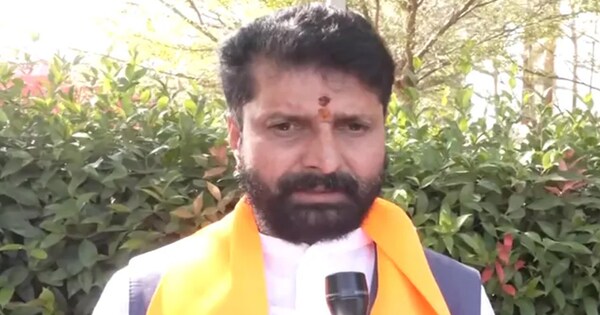
The arrest of BJP MLC CT Ravi following a complaint filed by the Congress party highlights the escalating tensions between the two major political forces in the state. The incident underscores the volatile nature of political discourse and the potential consequences of inflammatory statements made by public figures. The alleged derogatory remarks made by Mr. Ravi against state minister Laxmi Hebbalkar appear to have been the catalyst for this significant event. The specifics of these remarks remain crucial to understanding the gravity of the situation and the rationale behind the Congress's decision to file a formal complaint. Investigative journalists should delve into the exact nature of the statements to determine if they cross the line into hate speech or incitement to violence, which are serious offenses with potential legal ramifications. The legal battle that may ensue will likely involve intense scrutiny of the language used, the context in which it was spoken, and the potential impact it had on the target of the remarks, Minister Hebbalkar. The public reaction to the arrest will also be a key factor, revealing the extent of support for either party involved. The situation demands careful analysis, considering potential impacts on public trust, political stability, and freedom of expression. This incident serves as a reminder of the responsibility that comes with holding a public office and the need for responsible political discourse.
The arrest itself raises questions about the application of the law and the potential for political bias. Was the arrest a fair and proportionate response to the alleged offense? Or could it be seen as an attempt to stifle dissent or to gain political advantage? This raises larger questions about the balance between freedom of speech and the potential for harm caused by inflammatory rhetoric. The legal process that follows the arrest will need to ensure a fair and impartial investigation to avoid any perception of bias or political manipulation. The investigation should focus on establishing the facts of the case, gathering evidence, and determining whether the alleged remarks actually constitute a crime. The judge presiding over the case will play a pivotal role in upholding the integrity of the judicial system and ensuring due process for all parties involved. Independent oversight and transparency in the process are essential to maintaining public trust and confidence in the legal system's impartiality. The case could have significant implications for future political discourse, setting a precedent for how such matters will be handled in the future.
Beyond the immediate legal and political ramifications, the incident has broader societal implications. It reflects the increasingly polarized nature of political discourse and the potential for such divisions to lead to conflict. The incident underscores the need for constructive dialogue and a commitment to respectful engagement in public life. It raises concerns about the tone and tenor of political debates, particularly in the age of social media, where inflammatory comments can easily spread and incite division. It's crucial for political leaders and public figures to set an example of responsible behaviour and foster a climate of respect and civility in their interactions. Educational programs promoting tolerance, empathy, and understanding could play a vital role in addressing the root causes of such conflicts. Furthermore, media organizations have a critical responsibility to report on such events accurately and fairly, avoiding sensationalism and contributing to a more informed and nuanced public understanding. The incident serves as a stark reminder of the importance of fostering mutual respect, tolerance, and understanding across different political affiliations and ideological perspectives. Promoting media literacy and critical thinking skills can empower citizens to engage with political information responsibly and resist the spread of misinformation and hate speech.
This situation also highlights the complexities surrounding freedom of speech and its limits. While individuals have the right to express their views, this right is not absolute. It does not extend to speech that incites violence, promotes discrimination, or constitutes defamation. Balancing freedom of expression with the need to protect individuals from harm remains a critical challenge for democratic societies. The line between legitimate criticism and harmful speech is often blurry, requiring careful consideration and nuanced judgment. The legal and ethical frameworks governing speech must be clear, consistent, and applied fairly across the political spectrum. This requires an ongoing conversation within society about the responsible use of language, the importance of respectful dialogue, and the consequences of inciting hatred or violence. The judiciary plays a crucial role in interpreting and applying these frameworks, ensuring a fair balance between protecting freedom of expression and safeguarding individuals from harm. The ongoing debate about the limits of free speech and the appropriate response to inflammatory remarks will be shaped, in part, by the outcome of this case. This incident presents an opportunity to engage in a broader societal discussion about freedom of expression, responsibility, and the consequences of our words.