
 |
|
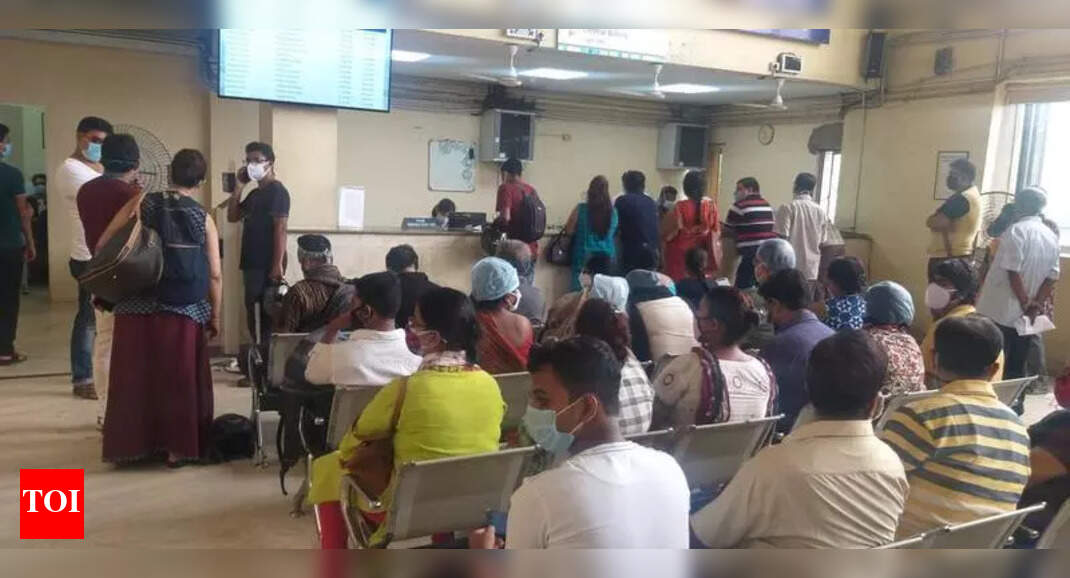
The ongoing political turmoil in Bangladesh has significantly impacted the flow of Bangladeshi patients seeking medical care in Kolkata, leading to a wave of cancelled surgeries and appointments across the city's private hospitals. The disruption, which began over the weekend, reflects the vital role medical tourism plays in the Kolkata healthcare sector, and the vulnerability of this sector to external political and social instability. Several prominent hospitals reported a dramatic decrease in the number of Bangladeshi patients seeking both in-person consultations and surgical procedures. The impact is not merely a matter of lost revenue for these hospitals, but also represents a disruption to the lives of patients who had planned and often saved extensively for these crucial medical interventions.
Peerless Hospital, for instance, reported cancelling at least five surgeries due to Bangladeshi patients failing to arrive for their scheduled procedures. The CEO, Sudipta Mitra, expressed concern about an additional 15 surgeries scheduled in the coming days, anticipating a similar outcome. This situation highlights the immediate and tangible consequences of the political instability on individual patients' health and well-being. The uncertainty surrounding travel plans and the potential risks associated with crossing borders have forced many patients to postpone critical medical treatments, with potentially serious implications for their health.
Desun Hospital, already experiencing a 75% drop in Bangladeshi patients over the past month, has seen a shift toward online consultations as patients adapt to the challenges of international travel. While the hospital's proactive measures, such as the rapid issuance of visa invitation letters, demonstrate an attempt to mitigate the impact, it is clear that these efforts are not fully counteracting the effects of the broader crisis. This underscores the difficulty in maintaining medical services in the face of significant geopolitical disruptions, particularly in areas heavily reliant on cross-border patient flows.
BP Poddar Hospital echoed similar experiences, reporting the postponement of approximately 50 surgeries scheduled during the final ten days of December. The hospital, which typically sees a surge in Bangladeshi patients during the Christmas season for elective procedures such as hip and knee replacements and spine surgeries, found itself with no Bangladeshi patients in its outpatient department on Friday. This highlights the significant seasonal fluctuations in medical tourism and the severe impact that even temporary disruptions can have on the hospital's operational plans.
Manipal Hospitals similarly reported a substantial decline in outpatient visits and admissions, foreshadowing potential surgery cancellations. Although the hospital is actively utilizing telemedicine to maintain continuity of care for existing patients, it's clear that the overall impact on their operations is substantial. The drop in patient numbers, coupled with the challenges in securing travel permits, points to a wider issue affecting not just individual hospitals but the overall medical tourism ecosystem of Kolkata.
The observed decrease in patient numbers from August onward, with a slight post-Puja uptick that still fell short of pre-crisis levels, further indicates a long-term trend shaped by the prevailing political environment in Bangladesh. This highlights the need for robust contingency planning by hospitals in regions reliant on medical tourism to account for unpredictable external factors that can profoundly impact patient flow and operational stability. The shift towards online consultations, while a valuable alternative, cannot fully replace the necessity for in-person examinations and procedures for many conditions.
The situation underscores the interconnectedness of healthcare, politics, and international relations. The impact extends beyond immediate financial losses for the hospitals to broader consequences on patient health and well-being. The reliance on medical tourism highlights the vulnerability of this sector and the need for a more resilient and adaptable system capable of responding to unpredictable disruptions caused by political instability, travel restrictions, and other unforeseen events. Furthermore, this case study serves as a reminder of the complex interplay between global events and their ripple effect across various sectors, including the healthcare industry.
The crisis serves as a cautionary tale for both healthcare providers and policymakers. Hospitals must develop strategies to diversify their patient base and improve their resilience to external shocks. Policymakers, on the other hand, should consider the broader implications of international events on healthcare access and affordability, potentially exploring ways to support medical tourism while mitigating its vulnerabilities. The current situation underscores the need for more robust and flexible frameworks to ensure the continuity of essential healthcare services even in the face of unexpected disruptions.
Source: Kolkata Hospitals Cancel Surgeries Amid Bangladesh Travel Crisis