
 |
|
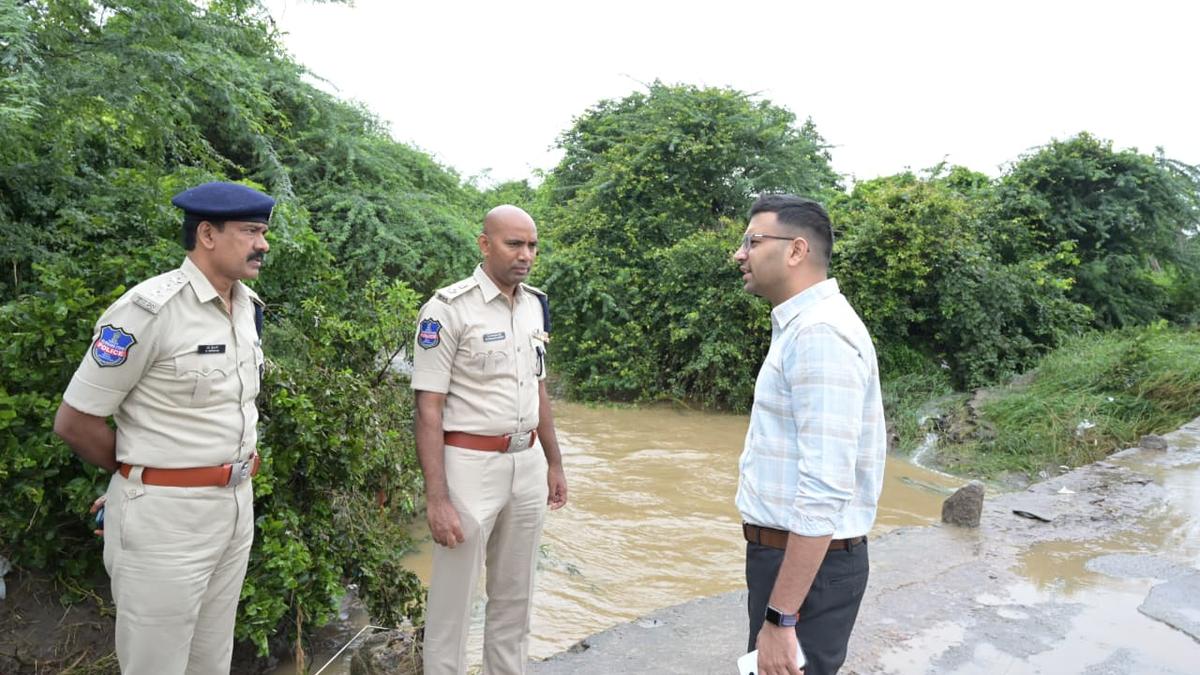
The article reports on the closure of tourist spots in Vikarabad, Telangana, due to a forecast of very heavy to extremely heavy rainfall. The Vikarabad administration has preemptively closed boating and trekking activities to ensure public safety. This decision was made in anticipation of a long weekend, a time when the district typically experiences an influx of tourists from Hyderabad and surrounding areas. The appeal to the public is clear: avoid unnecessary travel to Vikarabad during this period of inclement weather. The second highest rainfall in Telangana on Wednesday, August 13, 2025, was recorded in the Pargi mandal of Vikarabad, highlighting the severity of the situation. This statistic underscores the potential risks associated with venturing into the region while the red alert remains in effect. Collector Prateek Jain has urged residents to remain indoors unless absolutely necessary, emphasizing the potential dangers posed by the heavy rainfall. The collector's direct involvement, including inspecting the overflowing brook in Parigi, demonstrates the seriousness with which the local authorities are taking the situation. Vikarabad is one of three districts in Telangana that have been placed under a red alert by the India Meteorological Department (IMD), indicating a high probability of significant disruptions and potential hazards due to the extreme weather conditions. The district administration has also established control room numbers (7995061192, 08416235291) to provide assistance and information to the public during this period. This proactive measure is crucial for coordinating emergency response efforts and ensuring that residents have access to timely updates and support. In addition to the heavy rainfall, the article also mentions a quake recorded in the Parigi mandal. The collector, accompanied by Superintendent of Police Narayana Reddy, visited the affected village to assess the damage and provide assistance to the residents. The collector directed officials to identify homes that developed cracks due to the quake, indicating a concern for the structural integrity of buildings and the potential need for relocation or repairs. The convergence of heavy rainfall and seismic activity presents a complex challenge for the local authorities, requiring a coordinated response to address both the immediate and long-term needs of the affected communities. The article highlights the importance of preparedness and proactive measures in mitigating the impact of natural disasters. By closing tourist spots, issuing warnings, and establishing control rooms, the Vikarabad administration is taking steps to protect the public and minimize the potential for harm. The collector's direct involvement in inspecting the affected areas and coordinating the response efforts demonstrates a commitment to ensuring the safety and well-being of the residents of Vikarabad. The information shared in the article is vital for people residing in or planning to visit Vikarabad and should be heeded to avert possible dangers due to the extreme weather. The administration is carefully monitoring the situation and will update the advisory as needed based on the weather forecasts from the India Meteorological Department (IMD). People can anticipate further notices and advice from the district administration, underscoring the necessity of remaining vigilant and adhering to the guidance provided by local officials throughout this period. This collaborative strategy, combining weather tracking, public communication, and local management, is crucial for managing and reducing the possible impact of the severe rain on the Vikarabad community. The situation underscores the critical need for resilient infrastructure and proactive disaster management plans in regions prone to extreme weather events. The experience in Vikarabad serves as a reminder of the importance of community preparedness, early warning systems, and effective communication in minimizing the risks associated with natural disasters. As climate change continues to exacerbate extreme weather patterns, it is essential for governments, organizations, and individuals to work together to build more resilient communities that can withstand the challenges of a changing world. This holistic approach, encompassing infrastructure investments, disaster management strategies, and community engagement, is essential for ensuring the safety and well-being of vulnerable populations in the face of increasing environmental risks. The current circumstances in Vikarabad highlight the real-world consequences of extreme weather and the importance of proactive measures to mitigate its impact. By learning from this experience, we can better prepare for future challenges and create a more resilient and sustainable future for all.
The information presented in the article suggests a proactive approach by the Vikarabad administration to prioritize public safety in the face of severe weather forecasts. The closure of tourist spots, while potentially disappointing to those planning leisure activities, is a responsible decision that demonstrates a commitment to preventing accidents and injuries. The direct appeal from Collector Prateek Jain to residents to stay indoors unless necessary reinforces the seriousness of the situation and underscores the potential risks associated with venturing out during heavy rainfall. The establishment of control room numbers provides a crucial point of contact for residents seeking assistance or information, ensuring that help is readily available in case of emergencies. The coordination between the collector and the superintendent of police highlights the importance of a collaborative approach between different government agencies in responding to natural disasters. The inspection of the quake-affected village and the directive to identify damaged homes demonstrate a concern for the structural integrity of buildings and the potential need for emergency housing or repairs. The article's mention of the India Meteorological Department's red alert serves to emphasize the severity of the weather forecast and the potential for significant disruptions and hazards. The red alert designation indicates that the IMD expects very heavy to extremely heavy rainfall, which could lead to flooding, landslides, and other dangerous conditions. The fact that Vikarabad is one of only three districts in Telangana under a red alert suggests that the region is particularly vulnerable to the impacts of the storm. The article's inclusion of specific rainfall data, such as the second highest rainfall in Telangana being recorded in the Pargi mandal, provides concrete evidence of the intensity of the weather system. This information helps to contextualize the warnings and advisories issued by the local authorities and underscores the need for caution. The article's overall tone is one of urgency and concern, reflecting the potential dangers associated with the heavy rainfall and the need for residents to take precautions. The article serves as a public service announcement, informing residents and potential visitors about the risks and providing them with the information they need to stay safe. The article's focus on preparedness and proactive measures aligns with best practices in disaster management. By taking steps to mitigate the impact of the storm, the Vikarabad administration is demonstrating a commitment to protecting the lives and property of its citizens. The article's attention to detail, including the mention of the quake and the specific control room numbers, adds to its credibility and usefulness. The article's overall message is clear: take the weather warnings seriously, stay indoors if possible, and be prepared to seek assistance if needed. The article's effectiveness lies in its ability to convey the urgency of the situation without causing undue panic. The article's balanced tone and factual reporting inspire confidence in the local authorities and their ability to manage the crisis. The article's lasting impact will depend on the effectiveness of the disaster response efforts and the ability of the community to recover from the storm. The article's contribution to the public discourse lies in its reminder of the importance of preparedness, resilience, and community cooperation in the face of natural disasters. The article's significance extends beyond the immediate crisis, serving as a valuable lesson for other regions facing similar challenges. The article's overall value lies in its ability to inform, educate, and empower the public to take action to protect themselves and their communities.