
 |
|
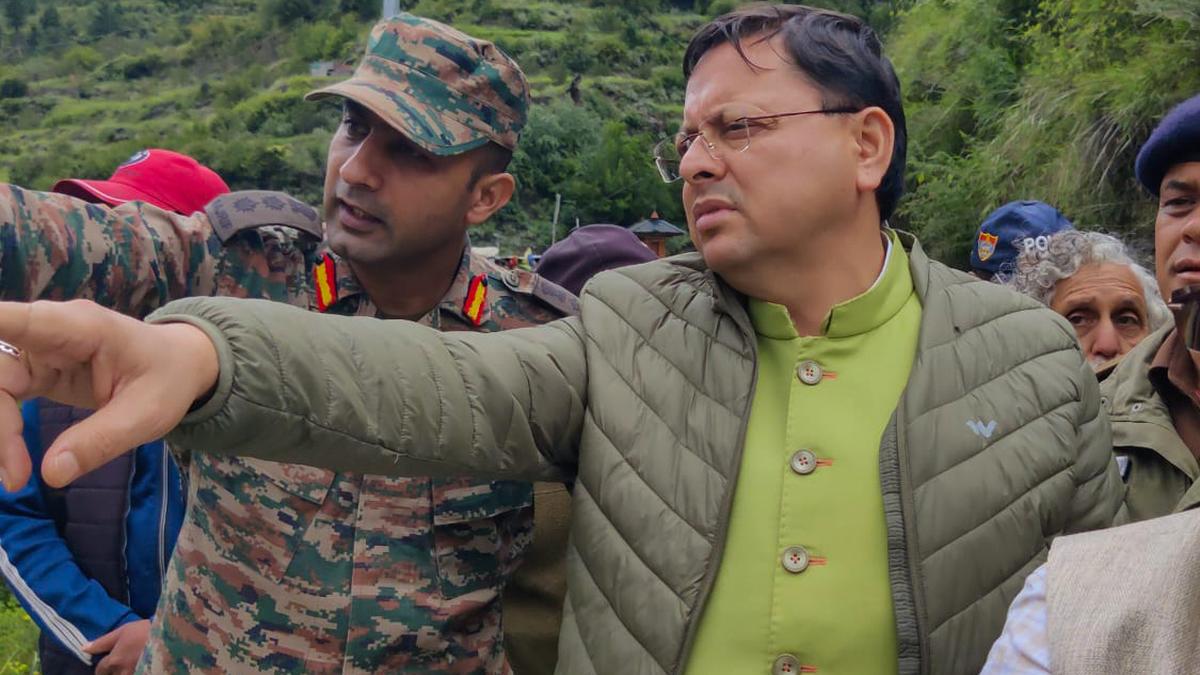
The devastating flash floods that struck the Uttarkashi district of Uttarakhand on August 5, 2025, serve as a stark reminder of the increasing vulnerability of mountainous regions to extreme weather events. The Kheer Ganga river, swollen by torrential rains, unleashed its fury upon the town of Dharali, claiming at least four lives and leaving dozens feared washed away. The scale of the disaster is evident in the harrowing video footage captured by residents, which depicts raging torrents of water engulfing homes, hotels, and everything else in their path. This tragedy underscores the urgent need for comprehensive disaster preparedness measures, improved early warning systems, and sustainable development practices in ecologically sensitive areas. The immediate aftermath of the floods saw a frantic rescue operation, with authorities and local residents working tirelessly to locate survivors and provide aid to those affected. Chief Minister Pushkar Singh Dhami's visit to Dharali highlighted the government's commitment to addressing the crisis, but the challenges of navigating the rugged terrain and the sheer scale of the destruction posed significant obstacles. The Indian Air Force was also deployed to assist in the rescue and relief efforts, providing crucial logistical support and airlifting essential supplies to isolated communities. The India Meteorological Department's (IMD) warning of continued heavy rainfall across Uttarakhand further complicated the situation, raising concerns about the possibility of further landslides and flash floods. The tragedy in Uttarkashi highlights the complex interplay of factors that contribute to such disasters. Climate change is undoubtedly playing a role, with rising temperatures leading to increased glacial melt and more intense rainfall events. Deforestation, unsustainable construction practices, and inadequate infrastructure further exacerbate the problem, making communities more vulnerable to the impacts of natural hazards. Addressing these challenges requires a multi-pronged approach that involves not only immediate disaster relief but also long-term strategies for climate change mitigation, ecosystem restoration, and sustainable development. The vulnerability of communities like Dharali to flash floods underscores the importance of investing in robust early warning systems. Timely and accurate information can enable residents to evacuate to safer locations, minimizing the risk of loss of life. In addition to early warning systems, there is a need for better land-use planning and building codes that take into account the risks of natural hazards. Construction in floodplains and other vulnerable areas should be strictly regulated, and buildings should be designed to withstand the forces of extreme weather events. Furthermore, reforestation and afforestation efforts can help to stabilize slopes and reduce the risk of landslides. Protecting and restoring natural ecosystems is essential for mitigating the impacts of climate change and reducing the risk of disasters. The Uttarkashi floods also raise important questions about the role of tourism in mountainous regions. While tourism can bring economic benefits to local communities, it can also put pressure on natural resources and increase the risk of environmental degradation. It is crucial to develop sustainable tourism practices that minimize environmental impacts and promote responsible behavior among tourists. This includes regulating the construction of hotels and other tourist facilities, promoting waste management and recycling, and educating tourists about the importance of respecting the environment. The challenges facing Uttarakhand are not unique. Many mountainous regions around the world are facing similar threats from climate change and unsustainable development. Sharing knowledge and best practices is essential for building resilience and reducing the risk of disasters. International cooperation can play a crucial role in providing technical assistance, financial support, and other forms of assistance to vulnerable communities. The Uttarkashi flash floods serve as a wake-up call. It is time to take decisive action to address the underlying causes of these disasters and build a more resilient future for mountainous regions. This requires a commitment from governments, businesses, and individuals to work together to protect the environment, promote sustainable development, and reduce the risk of natural hazards. Only through concerted efforts can we hope to prevent future tragedies like the one that unfolded in Uttarkashi.
The immediate response to the Uttarkashi flash floods highlighted both the strengths and weaknesses of the existing disaster management system. The rapid deployment of rescue teams and the involvement of the Indian Air Force were commendable, but the challenges of accessing remote areas and coordinating relief efforts underscored the need for further improvements. Communication networks were disrupted, making it difficult to assess the extent of the damage and provide timely assistance to those in need. This highlights the importance of investing in robust communication infrastructure that can withstand extreme weather events. The role of local communities in the rescue and relief efforts was also crucial. Local residents were often the first to respond, providing assistance to their neighbors and helping to evacuate those who were injured or stranded. This underscores the importance of empowering local communities to take ownership of disaster preparedness and response. Training local residents in first aid, search and rescue techniques, and other essential skills can significantly enhance their ability to cope with emergencies. The long-term recovery from the Uttarkashi flash floods will require a sustained effort. Rebuilding homes and infrastructure will be a major undertaking, and it is essential to ensure that this is done in a sustainable and resilient manner. This includes incorporating disaster-resistant features into building designs, relocating settlements away from vulnerable areas, and implementing measures to protect against future floods and landslides. Providing psychosocial support to those who have been affected by the floods is also crucial. Many people have lost their homes, their livelihoods, and their loved ones, and they will need ongoing support to cope with the trauma and rebuild their lives. Access to mental health services, counseling, and other forms of support can help people to heal and recover from the emotional scars of the disaster. The Uttarkashi flash floods also raise important questions about accountability. It is essential to investigate the causes of the disaster and identify any failures in planning, construction, or disaster preparedness that may have contributed to the loss of life and property. Holding those responsible accountable can help to prevent similar tragedies from occurring in the future. Transparency and public access to information are also essential for ensuring accountability. The public has a right to know what happened, why it happened, and what steps are being taken to prevent future disasters. The Uttarkashi flash floods are a stark reminder of the fragility of human life and the power of nature. They also serve as a call to action to build a more resilient and sustainable future for all. By learning from our mistakes, investing in disaster preparedness, and working together to protect the environment, we can reduce the risk of future tragedies and create a world where communities are better equipped to cope with the challenges of climate change.
The economic impact of the Uttarkashi flash floods is likely to be significant. The destruction of homes, businesses, and infrastructure will have a ripple effect throughout the local economy. Tourism, which is a major source of income for the region, is likely to be severely affected. The damage to agricultural land and livestock will also have a significant impact on livelihoods. Rebuilding the economy will require a concerted effort from the government, the private sector, and the local community. Providing financial assistance to businesses and individuals who have been affected by the floods is essential for helping them to get back on their feet. Investing in infrastructure projects, such as roads, bridges, and communication networks, can help to improve connectivity and facilitate economic activity. Promoting sustainable tourism practices can help to diversify the economy and reduce its reliance on a single sector. The Uttarkashi flash floods also highlight the importance of diversifying livelihoods. Relying on a single source of income can make communities more vulnerable to economic shocks. Promoting alternative livelihoods, such as handicrafts, small-scale manufacturing, and ecotourism, can help to reduce this vulnerability. Investing in education and training can also help people to develop the skills they need to access new employment opportunities. The Uttarkashi flash floods are a complex and multifaceted challenge. Addressing the challenges requires a holistic approach that takes into account the social, economic, and environmental dimensions of the disaster. By working together, we can build a more resilient and sustainable future for the people of Uttarkashi and other mountainous regions around the world. The events of August 5th and 6th, 2025, should serve as a pivotal moment, a catalyst for change that compels us to re-evaluate our relationship with the environment and prioritize the safety and well-being of vulnerable communities. The memory of those lost in the floods must inspire us to take action and ensure that such tragedies are not repeated. The path to recovery will be long and arduous, but it is a path that we must embark upon with determination, compassion, and a unwavering commitment to building a better future.
In conclusion, the Uttarkashi flash floods represent a confluence of natural forces and human vulnerabilities. While the immediate focus must remain on rescue, relief, and rehabilitation, it is imperative to delve deeper into the underlying causes and implement long-term solutions. Climate change, deforestation, unsustainable development, and inadequate infrastructure all contribute to the heightened risk of such disasters in mountainous regions. A comprehensive and integrated approach is needed, encompassing climate change mitigation, ecosystem restoration, sustainable land-use planning, and robust disaster preparedness measures. Early warning systems must be strengthened, communication networks must be improved, and local communities must be empowered to take ownership of their safety. The economic recovery of Uttarkashi will require significant investment in infrastructure, diversification of livelihoods, and support for affected businesses and individuals. Psychosocial support is also crucial to help those who have lost their homes, their livelihoods, and their loved ones. Ultimately, the Uttarkashi flash floods serve as a wake-up call, urging us to re-evaluate our relationship with the environment and prioritize the well-being of vulnerable communities. By learning from our mistakes and working together to build a more resilient and sustainable future, we can prevent future tragedies and create a world where people and nature can thrive in harmony. The commitment to change must be unwavering, driven by a shared responsibility to protect the planet and its inhabitants from the increasing threats posed by climate change and environmental degradation. Only then can we honor the memory of those lost in the floods and ensure that their suffering was not in vain. The future of Uttarkashi, and indeed of all mountainous regions, depends on our collective action and our unwavering dedication to creating a safer, more sustainable, and more resilient world.